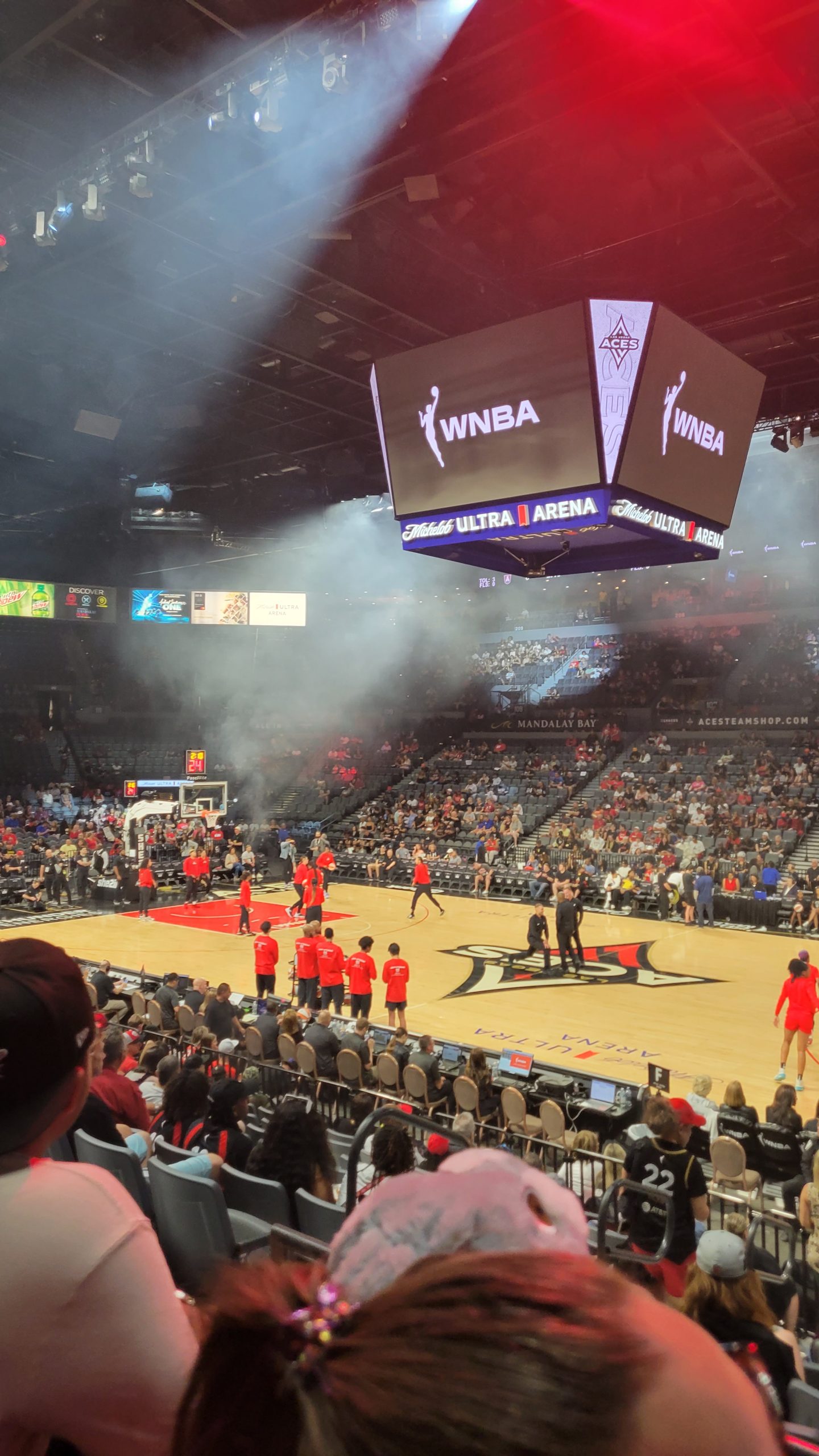
The WNBA’s expanding audience has brought greater visibility to its stars and its games. It has also magnified every hard foul, social-media post and cultural flashpoint competing for attention.
The WNBA season spiraled into chaos as public disputes over fouls and a transgender-sports policy debate overshadowed the season. That turbulence arrived even as WNBA attendance reached an all-time high and viewership rose 15%, with Caitlin Clark and a growing group of stars helping the 30-year-old league’s 15 teams reach a wider audience.
The contrast is the story. A season that appeared positioned to be a landmark moment for women’s professional basketball has instead become a test of whether the league, its players and its rapidly expanding fan base can keep the focus on the basketball.
Growth has raised every stake
The WNBA’s audience gains are significant because they come after years of steady work to make the league more visible, more accessible and more commercially viable. The Wall Street Journal reported that attendance was at an all-time high entering the final weeks of the regular season, while viewership had climbed 15% from the prior year.
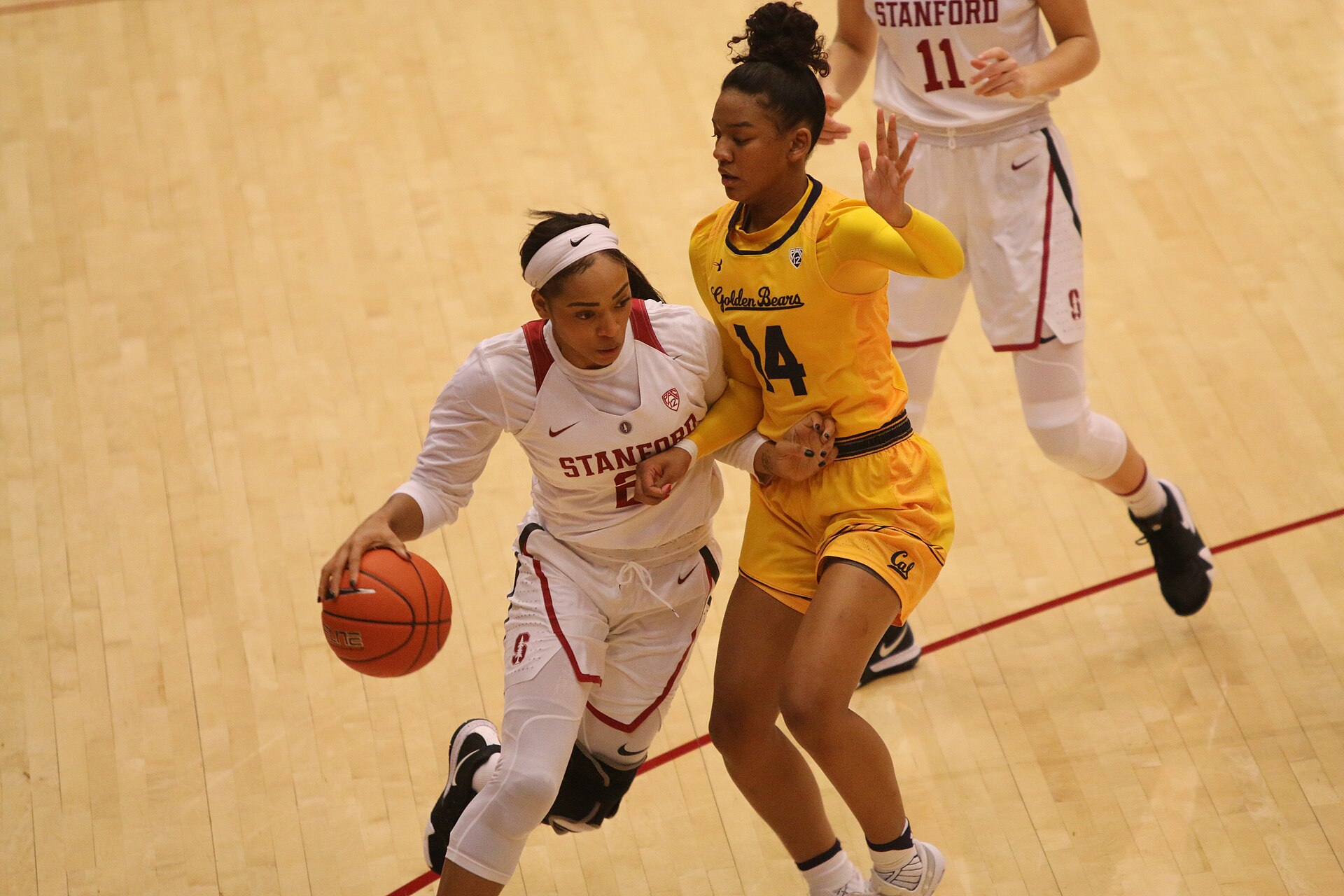
Clark remains the most recognizable driver of that attention, but she is not the only reason it has grown. Established stars including A’ja Wilson and Breanna Stewart, a strong rookie pipeline and a broader slate of nationally visible games have given casual fans more entry points into the league.
A 15-team league also has little room for an isolated controversy to stay isolated. A confrontation involving one player, one team or one officiating decision can quickly become a league-wide argument, particularly when clips travel faster than game context on social platforms.
Hard fouls became larger fights
Physical basketball is not new to the WNBA. Fouls, flagrant calls, ejections and disagreements with officials are part of every major professional league. What has changed is the scale of the reaction around them.
One recent flashpoint involved Chicago Sky guard DiJonai Carrington, who was ejected after a foul against Indiana Fever guard Sophie Cunningham, according to the Journal. The incident immediately became more than a matter of replay review or league discipline, feeding familiar arguments about player safety, officiating, race and the treatment of high-profile teams.
The Athletic described the broader cycle as repetitive: a physical play leads to an ejection or a viral clip, players and fans react online, and the debate quickly leaves the boundaries of the court. Its account cited several highly publicized incidents involving Clark, Cunningham, Carrington and others as examples of a league conversation increasingly driven by confrontation.
There are competing views of that intensity. Some fans see a welcome refusal to sanitize a competitive sport, arguing that rivalries and emotion make games more compelling. Others believe constant escalation is obscuring elite play and making ordinary physicality appear like evidence of a bigger crisis.
A policy issue entered the spotlight
The debate widened when Cunningham publicly weighed in on transgender athletes in women’s sports. The Athletic reported that her position prompted intense reaction, drawing the WNBA into a national policy argument that extends far beyond its own competition.
That discussion carries unusually high stakes because it combines questions of inclusion, competitive fairness and political identity. People who support tighter eligibility restrictions often frame the issue around protecting women’s categories in sports. Advocates for transgender inclusion argue that broad public debate can reduce athletes’ lives to a political symbol and overlook the complexity of existing rules.
One central fact has been easy to lose amid the argument: The Athletic reported that no transgender women were competing in the WNBA at the time of its report. That does not make the policy conversation irrelevant, but it does show why the dispute can feel detached from the league’s day-to-day reality.
Sports organizations already use varying eligibility policies, including rules shaped by governing bodies, medical standards and competition level. The WNBA’s challenge is less about resolving a national political divide on its own than about keeping league discussion grounded in its actual players, policies and games.
Visibility can distort the league
More viewers should be a straightforward win. Greater attention can mean larger crowds, stronger media-rights value, more sponsorship opportunities and deeper investment in players. But an audience boom also brings people who may be new to the league and who arrive through its most controversial clips rather than through full games.
That dynamic can flatten a complex league into a series of symbolic battles. A hard foul becomes proof of a feud. A player’s post becomes a referendum on an entire fan base. A political statement can become the day’s biggest WNBA story even when it has no direct bearing on the standings.
The Athletic warned that this pattern could wear down both committed followers and newcomers. Its concern was not that disagreement is inherently bad for sports, but that a nonstop cycle of outrage may make the league harder to enjoy on its own terms.
There is a business consequence, too. New audiences are valuable only if they become repeat audiences. Fans who tune in for drama may not stay for a playoff race, a defensive matchup or a player’s development. The league’s long-term growth depends on converting attention into durable interest in the product on the floor.
Players and league leaders face pressure
WNBA players are not responsible for solving every social debate attached to their sport. They do, however, operate in an environment where their words and posts can now be amplified far beyond their existing fan communities.
That creates a difficult balance. Players should be able to speak candidly about physical play, policy issues and their own experiences. At the same time, public figures in a fast-growing league have reason to consider how quickly a heated response can be repurposed by people with little interest in the sport itself.
League leadership faces a parallel task: enforce rules consistently, explain major disciplinary decisions clearly and resist allowing every officiating controversy to become a mystery. Transparency will not end disagreement, but it can narrow the space in which speculation thrives.
Fans also have a role in setting the temperature. Rivalry is part of the appeal, but online arguments that turn players into proxies for racial, political or ideological camps can make the league’s actual accomplishments harder to see.
The basketball still offers the answer
The most encouraging fact beneath the turmoil is that people are watching. Record attendance and higher viewership suggest the WNBA has reached a level of relevance that cannot be dismissed as a brief novelty.
The immediate question is whether the closing stretch of the season can redirect attention toward competition: playoff positioning, star performances, coaching decisions and the teams best equipped to win. Those are the stories that can sustain a sports league after the viral moment passes.
Chaos may be an understandable description of the public discourse around the WNBA right now. It should not become the league’s defining identity. The larger story remains a 30-year-old league with 15 teams, expanding reach and an opportunity to show that its basketball is bigger than the arguments surrounding it.
Leave a Reply