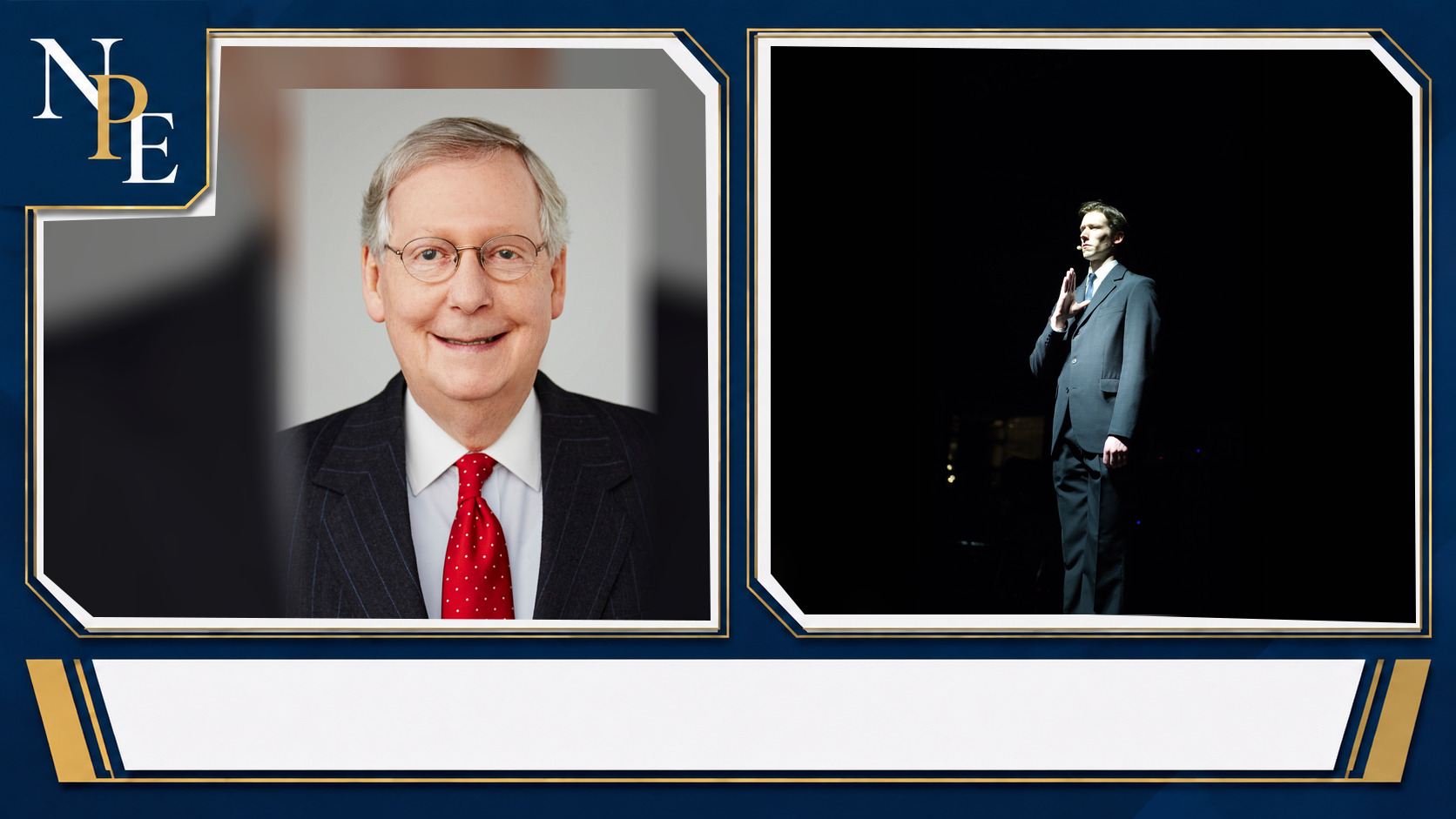
Jennings’ description of a politically engaged McConnell offers a limited update after the Kentucky senator’s extended absence. It does not amount to a medical briefing or confirm that he will be back in Washington on September 14.
Mitch McConnell is recovering at home in Kentucky after his June 14 fall in Washington, D.C., and is considering a return to the Senate when it reconvenes September 14, according to CNN commentator Scott Jennings. Jennings said McConnell sounded improved, engaged and focused during a recent phone call, offering an update that has fueled talk that McConnell Eyes Senate Return.
The account gives supporters evidence that the longtime Kentucky senator remains connected to politics and legislative work. It does not, however, confirm a return date or provide an independent medical assessment of his ability to travel, vote and take on the full pace of Senate business.
Jennings describes an engaged McConnell
Speaking on CNN’s The Arena, Jennings said McConnell called him directly from his own phone. Jennings said the senator sounded noticeably better than he had in an earlier conversation after McConnell’s hospitalization.

According to Jennings, their call covered the Michigan and Maine Senate races, the wider Republican electoral map and several major Senate matters. Those subjects included the farm bill, the National Defense Authorization Act and the Senate filibuster.
Jennings also said McConnell has been talking with Senate colleagues, meeting with staff and receiving visitors. Taken together, that description portrays a senator who is still following the political and legislative work that has long defined his public career.
But the update has clear limits. It is an account from an ally of a private conversation, not a formal statement from McConnell’s doctors or an independent evaluation of his capacity to serve.
What is known about the fall
McConnell has largely remained out of public view since the June 14 fall at his Washington home. The fall left him unconscious and led to hospitalization.
His office later said he had been discharged from a rehabilitation facility and was continuing to recover at home. McConnell, now 84, has not publicly addressed reporters or Kentucky constituents about his condition.
Jennings said McConnell told him doctors had said he did not have life-threatening issues. That characterization is attributed to Jennings’ retelling on CNN, rather than a public statement from McConnell’s medical team.
The lack of a public medical briefing means key details remain unknown, including the nature of McConnell’s injuries, the progress of his rehabilitation and what doctors expect in the coming weeks.
September 14 is a goal
Jennings said the plan was to get McConnell back to the Senate when lawmakers return on September 14. He presented that date as an objective, not a certainty.
That distinction matters because a return to Washington would depend on recovery, medical advice and the demands of travel and Senate work. Nothing in Jennings’ comments establishes a firm timetable.
McConnell has not cast Senate votes since June. A detailed political conversation can show that he remains informed, but it cannot answer whether he is ready to resume voting, in-person meetings, travel and other day-to-day responsibilities.
The next meaningful public marker will be whether McConnell appears at the Capitol when the Senate returns, or whether his office releases a direct update beforehand.
Kentucky’s transparency debate continues
Kentucky Gov. Andy Beshear, a Democrat, has said McConnell should speak publicly for himself. Beshear’s argument is that constituents deserve a brief, direct reassurance from their senator instead of relying only on reports from allies.
Beshear has not framed the issue as a demand for private medical details. His position is that voters should be told enough to understand whether their sitting senator is recovering and able to carry out the office’s responsibilities.
Jennings has pushed back, describing McConnell’s silence as consistent with his personality and generation. McConnell is a polio survivor, and Jennings said he has long been intensely private about health matters.
Both principles carry weight: McConnell has a legitimate interest in medical privacy, while Kentuckians have a public interest in the status of a senator who has been absent from the Capitol for an extended period.
The stakes extend beyond one call
McConnell is in the final months of a Senate career that began in 1985. He announced earlier this year that he will not seek reelection, and Kentucky voters will choose his successor in November.
Even after stepping down as Senate Republican leader, McConnell remains a central Republican voice and holds a consequential vote. He was the longest-serving Senate party leader in U.S. history.
The farm bill, defense legislation and the filibuster are among the issues Jennings said McConnell wants to remain involved with before leaving office in January. That makes his ability to return relevant not only to his personal recovery but also to the Senate’s work.
Jennings’ account answers a narrow question: he says McConnell is improving, communicating and staying informed at home. It does not settle the larger question of when, or whether, McConnell will return to the Capitol and fully resume his Senate duties.
Leave a Reply