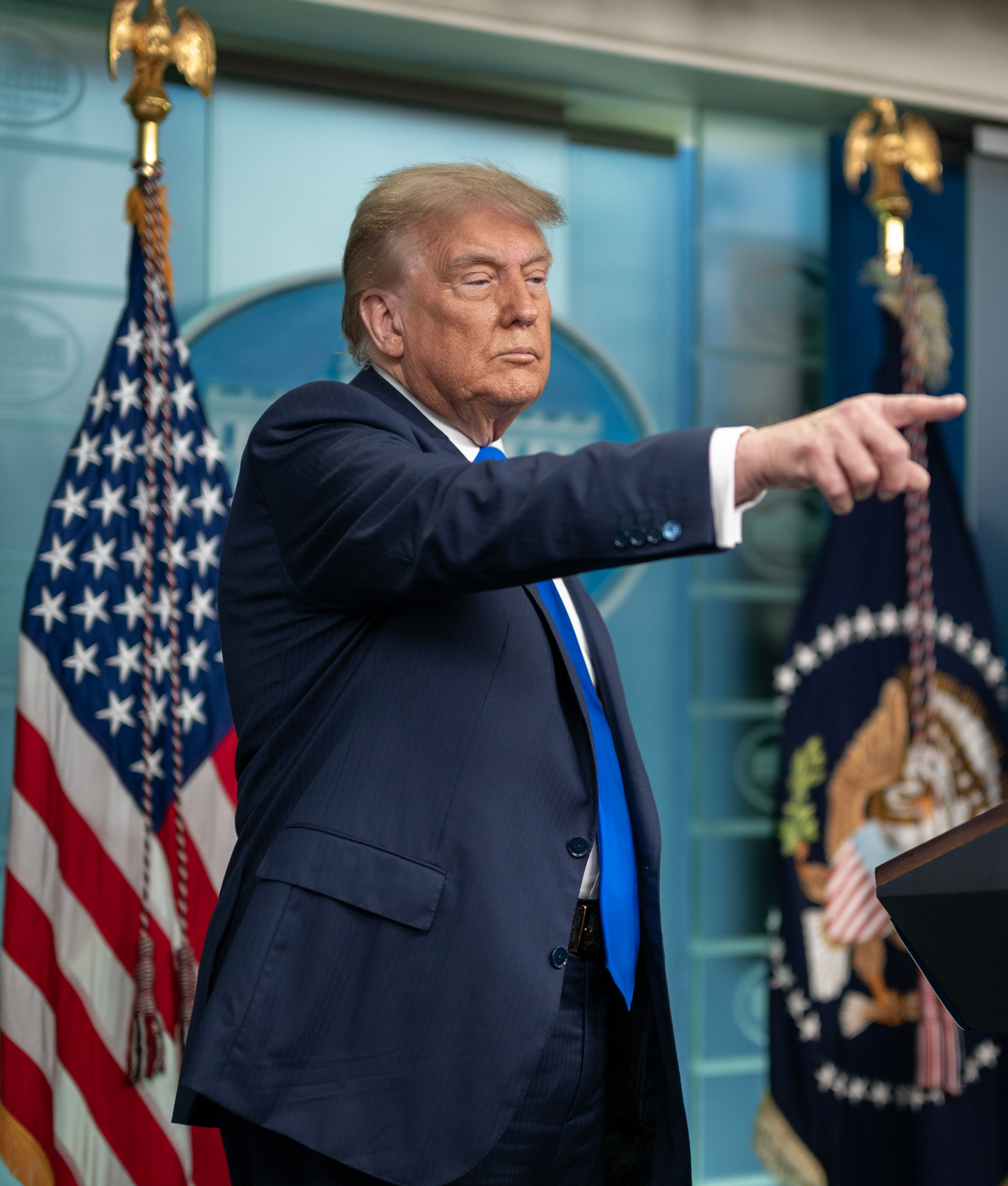
The fight is bigger than briefing-room theater. It is about who gets to witness presidential power up close when space is limited and access is controlled.
White House journalists are still unsure how to cover Donald Trump, and the White House press corps is struggling with Trump coverage at the place where access shapes accountability. The latest flashpoint is not just a combative briefing-room style, but the administration’s move to decide which news organizations routinely cover the president.
Press secretary Karoline Leavitt has said the White House should choose media outlets for the pool that covers smaller events and travel, a role historically organized by the White House Correspondents’ Association. That matters because pool access determines what the public learns when cameras, seats and security limits keep most reporters out.
Access is the real fight
Trump has always presented the press as both a foil and a stage. Reporters know the pattern: a provocative claim, a sharp exchange, a social-media aftershock, then a round of coverage about the clash itself.

But the current dilemma is more structural. If the White House can choose which outlets regularly see and hear the president in restricted settings, the fight moves from messaging to gatekeeping.
In a PBS NewsHour segment, Leavitt framed the change as an effort to open the process beyond a “select group of D.C.-based journalists.” Her argument was that more outlets and voices deserve access to a “highly coveted table.”
The White House Correspondents’ Association saw it differently. In the same PBS report, the group warned that the move “tears at the independence of a free press,” adding that leaders in a free country should not be able to choose their own press corps.
The pool is not glamorous
The White House pool can sound like an insider perk. In practice, it is a public-service workaround for the physical limits of covering a president.
When a room, motorcade, plane cabin or secure site cannot fit every reporter, a small rotating group goes in. Those reporters then share notes, quotes, photos and video with the wider press corps so the public is not dependent on the administration’s version of events.
That system is imperfect. It has long favored organizations with money, staffing and Washington infrastructure. Smaller outlets often cannot afford the grind of daily White House coverage, even when they want in.
That is why the administration’s inclusivity argument has some surface appeal. More ideological, regional and digital outlets can make the room less predictable. But the key question is who decides and by what standard.
Trump changes the incentives
The press corps’ Trump problem is partly that he rewards coverage of conflict. A shouted question, an insult, a ban, a nickname or an offhand assertion can become the story before reporters have fully tested the policy behind it.
That does not mean journalists should ignore the conflict. A president’s treatment of the press is news when it affects access, transparency or the public record. The mistake is letting the spectacle crowd out the substance.
With Trump, the line is especially hard to hold because his media strategy often turns process into politics. A dispute over who gets a seat is also a signal to supporters about which institutions he sees as legitimate.
The risk for newsrooms is double. If they over-cover the fight, they look self-absorbed. If they under-cover it, they may miss a real change in how presidential power is monitored.
The AP fight showed the stakes
The Associated Press dispute became a warning sign for many journalists because it was about language as well as access. PBS reported that the White House blocked AP reporters from major presidential events after the news organization refused to use the administration’s preferred term “Gulf of America” instead of its own style guidance.
That matters because the AP Stylebook is used far beyond AP stories. It influences wording across American journalism, schools, businesses and public communications. A fight over a geographic name quickly became a fight over whether a president can pressure a news organization’s editorial choices by limiting access.
CNN’s Brian Stelter, appearing on PBS, described the moment as chilling for First Amendment freedoms and argued that when press access suffers, the public eventually knows less about the president and the administration.
Not every access fight is a constitutional crisis. Presidents of both parties have tried to reward friendly coverage and freeze out critics. The difference here is the combination of formal pool control, public attacks on legacy outlets and specific pressure over editorial language.
Reporters need a new discipline
The answer is not for White House journalists to pretend Trump is a normal communications challenge. It is also not for them to make every press-access dispute the center of national politics.
A better approach is disciplined repetition: state what the administration did, explain how it changes access, test the White House’s stated rationale, identify who benefits, and keep returning to policy consequences for the public.
That means fewer stories built around the emotional temperature of a briefing and more stories that answer practical questions:
- Which outlets are added or removed from the pool?
- What criteria does the White House use?
- Are critical outlets treated differently from supportive ones?
- Does pool reporting still reach all news organizations quickly and fully?
- Can excluded organizations appeal or reapply?
It also means newsrooms should be transparent with readers. If a reporter was blocked from an event, say so plainly. If a story relies on pool notes because independent access was limited, explain that too.
The public is the audience
The White House will argue that it is modernizing access and breaking an old Washington monopoly. The press corps will argue that independent selection protects the public from a president handpicking witnesses.
Both claims deserve scrutiny. A closed club of legacy outlets is not ideal for a fragmented country. A government-selected press pool is not a healthy substitute.
The unresolved issue is whether the administration can expand access without controlling it. Those are not the same thing. More seats for nontraditional outlets can strengthen coverage if the rules are neutral, public and durable. It can weaken coverage if access becomes a reward for favorable treatment.
That is why White House journalists still do not quite know what to do with Donald Trump. They are not only covering a president who attacks the press. They are covering a president who understands that controlling the room can shape the story before the first question is asked.
Leave a Reply