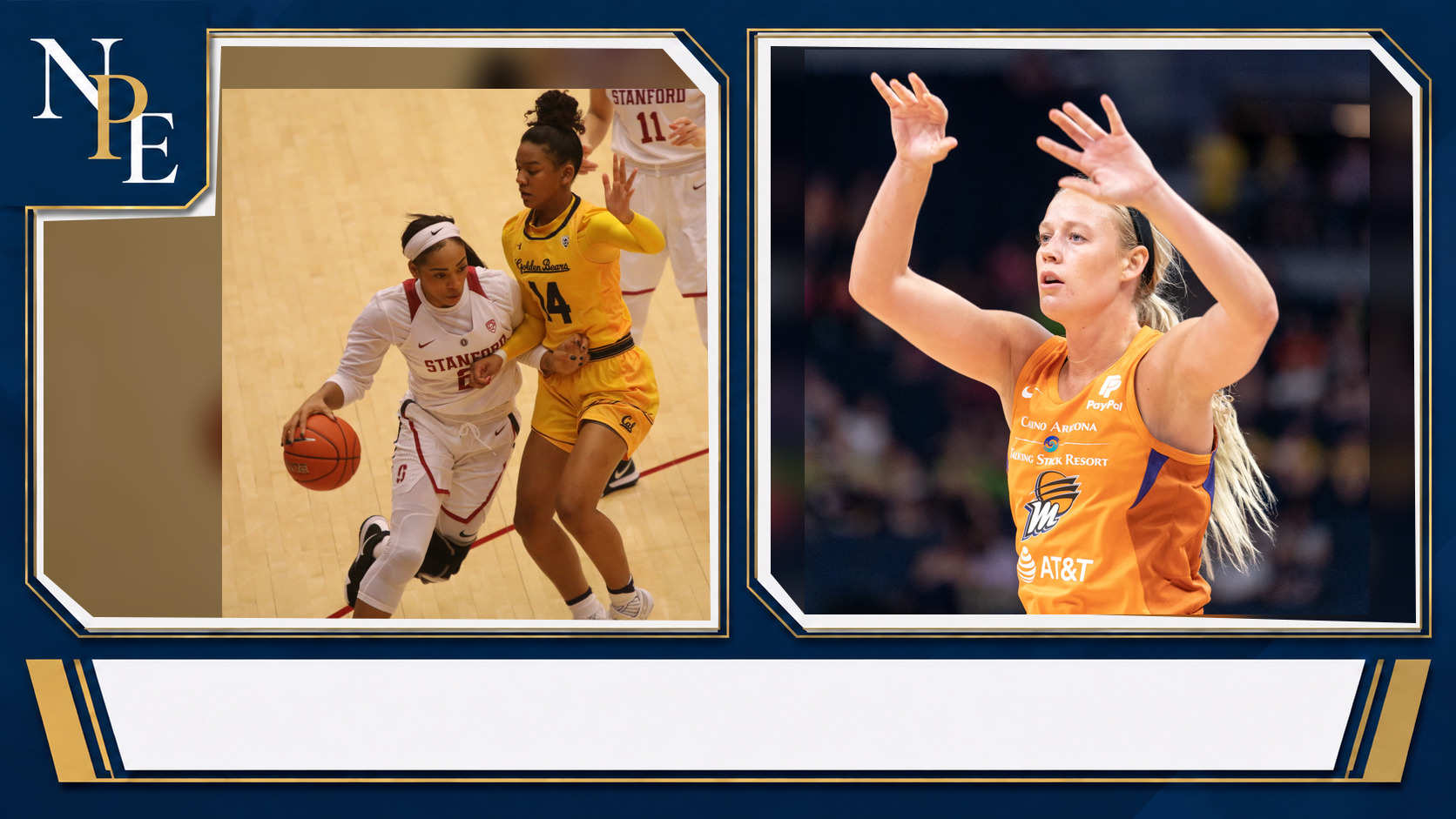
The latest league discipline keeps attention on a Chicago Sky-Indiana Fever matchup that already raised questions about physical play, player safety and public reaction. The available reporting establishes the foul and ejection, while key details of the additional fine remain unclear.
DiJonai Carrington faces another WNBA fine, days after an incident involving Sophie Cunningham in the Chicago Sky’s game against the Indiana Fever. Carrington was ejected after officials upgraded her foul on Cunningham to a Flagrant 2, and the new league discipline extends scrutiny of a play that quickly became bigger than one possession.
The WNBA fine matters because the Carrington-Cunningham incident combined a hard collision, an immediate confrontation, social-media fallout and a broader debate around consistency in league discipline. While reporting has established the ejection and the subsequent fine, the available information does not spell out the amount or specific basis of the latest penalty.
The foul that changed the game
The flashpoint came late in the opening quarter of Chicago’s loss to Indiana. Cunningham was driving for a right-handed layup when Carrington’s arm made contact with the left side of Cunningham’s head, according to BBC and CNN accounts of the game.
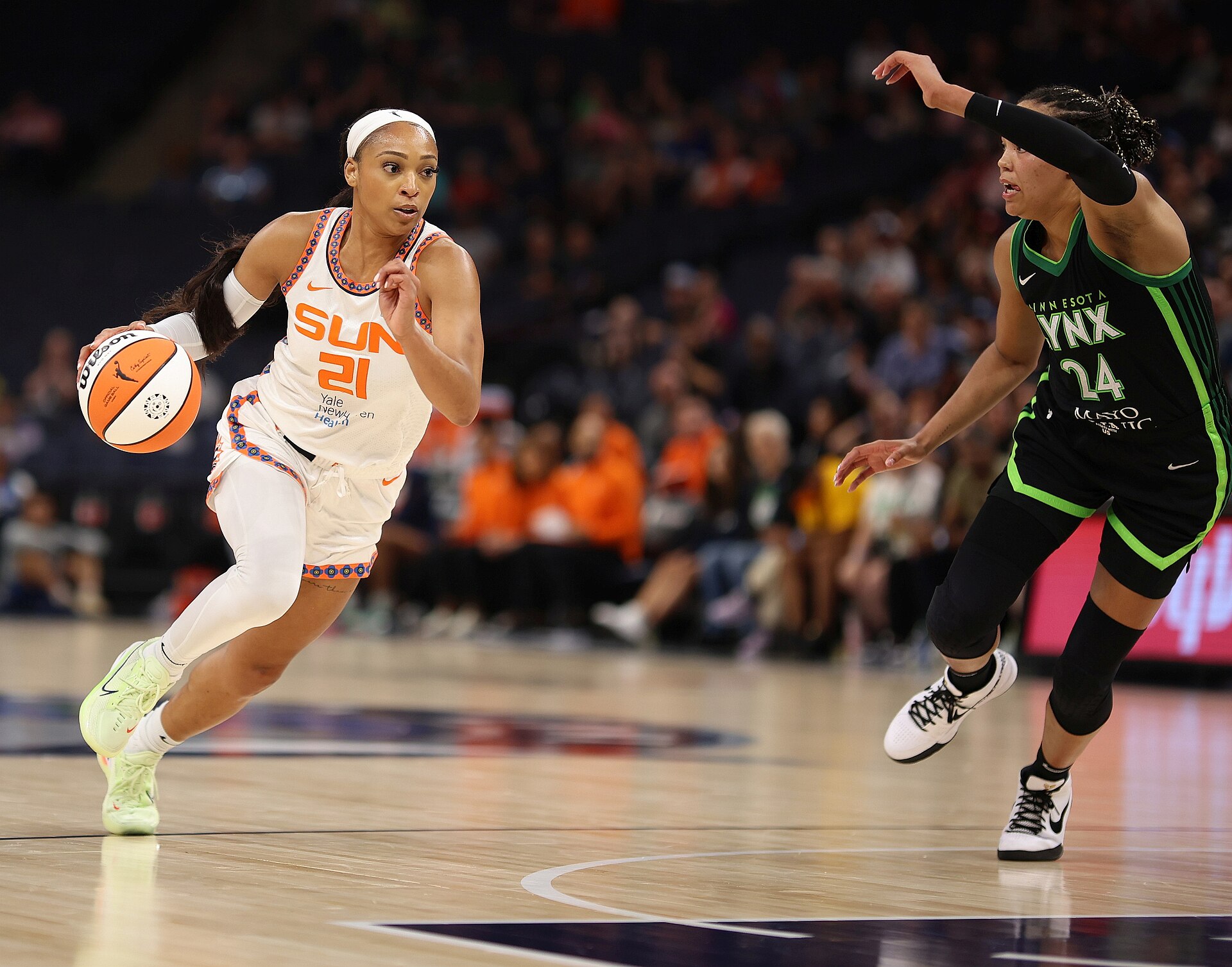
Cunningham fell hard, got back up and moved toward Carrington before teammates separated the two players. Officials reviewed the play, upgraded the call to a Flagrant 2 foul and automatically ejected Carrington.
That distinction matters. A Flagrant 2 is reserved for contact judged unnecessary and excessive, and an ejection follows automatically under WNBA rules. The ruling was the game’s clearest official judgment of the on-court contact, even as people watching the replay reached sharply different conclusions about Carrington’s intent.
Indiana coach Stephanie White said afterward that she did not think Carrington intentionally set out to strike Cunningham across the neck, while adding that the contact occurred and that she believed the officials made the correct call. That view captures the central tension: intent can be contested, but the severity of the contact still carries consequences.
Why another fine draws attention
A second disciplinary action can make a routine league transaction feel consequential. The initial ejection dealt with the game itself; the reported additional WNBA fine suggests the league’s review did not end when Carrington left the floor.
Fines are not necessarily a declaration about every argument surrounding a moment. They are a mechanism for enforcing standards of conduct, whether the concern involves contact during play, behavior after a ruling or another issue reviewed by the league.
That is also why precision is important. The available source material confirms that Carrington faces another fine after the Cunningham incident, but it does not provide a verified fine amount, detailed league explanation or a full account of what prompted the newest penalty. Those missing details should not be filled in with assumptions.
For Carrington and the Sky, the practical effect is a story that remains active after the final score. Discipline, particularly when it comes in stages, can keep a player’s actions under a brighter spotlight in the days that follow.
A confrontation with wider context
The exchange did not end at the whistle. Shortly after the ejection, Carrington posted the words “WHITE PRIVILEGE” on Threads and tagged the Fever, according to BBC and CNN. The post drew another layer of attention to a game already fueled by the rivalry and visibility surrounding Indiana.
Cunningham rejected the racial framing in her postgame comments, saying the situation was about the foul rather than race. She said she had not previously had a personal issue with Carrington and characterized the play as unnecessary.
Cunningham had already been the subject of public controversy over her comments regarding transgender athletes in women’s sports. BBC reported that the dispute had brought both supporters and protesters to Fever games, giving the Carrington incident a charged backdrop that went beyond ordinary basketball friction.
That context does not settle what Carrington meant by her post, nor does it change the officials’ ruling on the foul. It does explain why the episode spread so quickly: an in-game ejection became entangled with debates that neither the scoreboard nor a single disciplinary notice can resolve.
How officials handled both players
The referee crew’s treatment of Cunningham’s response became part of the discussion as well. Referee Maj Forsberg said Cunningham was not penalized because officials deemed her reaction acceptable given the severity of the contact.
That decision reflects a basic challenge for officiating physical games: leagues must distinguish between an initial act, a player’s emotional response and any escalation that follows. Fans often expect symmetry in penalties, but officials are asked to assess each action independently.
Critics of the call may argue that a confrontation after a foul needs a firmer response to prevent escalation. Others will see the ruling as recognition that a player who has been struck in the head while attacking the basket should not automatically be treated as equally responsible for a brief reaction.
The WNBA’s disciplinary framework is built to make those distinctions, even when the result frustrates one side of the audience. The key question is whether that framework is being explained clearly enough for players and fans to understand why one action brings an ejection, another draws no on-court penalty and a later review can result in a fine.
What remains unclear after discipline
The reported fine does not close every open question. No verified detail in the available reporting establishes the dollar amount, the precise policy cited or whether the WNBA will issue a fuller public explanation of the additional discipline.
There is also no need to turn an already heated moment into a verdict on either player’s character. Carrington’s ejection and the league fine are concrete outcomes. Cunningham’s account of the play, White’s view that the contact was not intentional, and Carrington’s social-media post are separate parts of a dispute that continues to generate competing interpretations.
What is clear is that the WNBA is again being watched not just for its games, but for how it handles moments when intense competition spills into questions of safety, accountability and public trust. Carrington’s latest fine ensures the Cunningham incident will remain part of that conversation beyond one Chicago-Indiana matchup.
Leave a Reply