
Three states are set to carry out executions on the same day, an uncommon convergence in a country where even two executions in 24 hours draw attention. The scheduled cases also show how sharply timelines can differ across death-penalty proceedings.
Three inmates are scheduled to be executed on the same day, Thursday, Aug. 13, 2026, as Oklahoma, Alabama and Tennessee plan to carry out separate executions. If all three proceed, it would be the first triple execution in the United States in 16 years.
The planned executions involve Carlos Cuesta-Rodriguez in Oklahoma, Jeremy Williams in Alabama and Anthony Darrell Hines in Tennessee. The rare same-day alignment matters because executions are generally set through separate state court and executive processes, and late legal action can still alter the schedule.
Three states, three separate cases
The states are not acting as part of a joint operation. Each execution stems from a separate prosecution, sentence and sequence of state-level decisions.
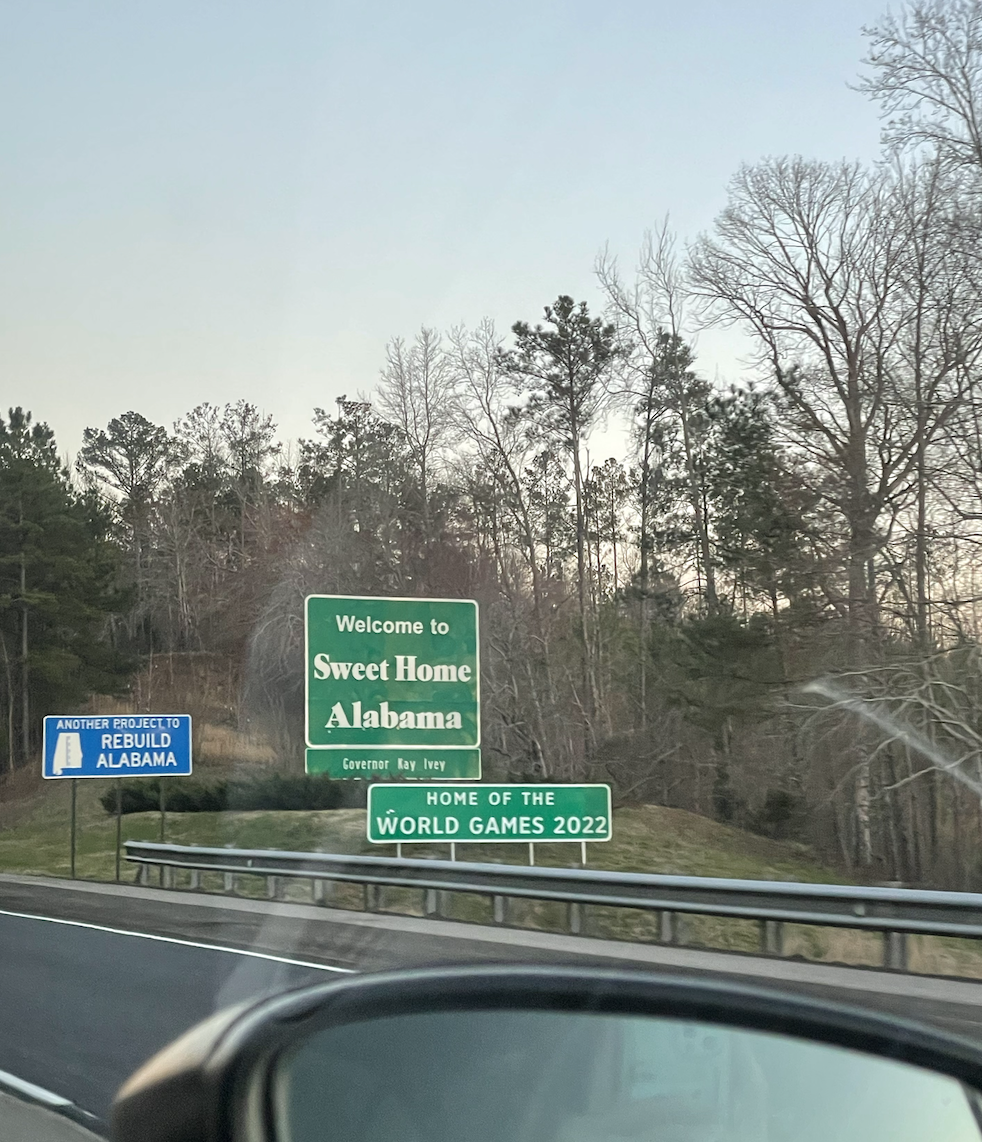
Alabama is scheduled to execute Williams by lethal injection for the 2021 rape and murder of 5-year-old Kamarie Holland, according to USA TODAY. Williams was convicted in 2024 and directed his lawyers not to mount a defense at trial or pursue an appeal, the newspaper reported.
Oklahoma plans to execute Cuesta-Rodriguez, 77, for the 2003 murder of his common-law wife, Olimpia Fisher, at their Oklahoma City home. Tennessee is scheduled to execute Hines for the 1985 murder of Catherine Jean Jenkins, a 54-year-old mother of four who was working at a motel in Kingston Springs.
The underlying crimes and procedural histories differ considerably. What unites them on Aug. 13 is the calendar, not a shared case or legal theory.
A rare convergence on the calendar
The last time three states carried out executions on one day was 2010, when Ohio, Texas and Louisiana each executed a prisoner, according to USA TODAY’s review of Death Penalty Information Center data.
Robin Maher, executive director of the nonprofit Death Penalty Information Center, described triple executions as “very unusual” to USA TODAY. Two executions can occur on the same day, but most execution dates stand alone.
That rarity can make the event appear coordinated when it is not. States independently select dates based on court orders, statutory requirements, available procedures and the status of appeals. The coincidence becomes more visible when several cases reach final stages at roughly the same time.
The planned triple also lands during a period in which executions remain concentrated in a relatively small number of states. Capital punishment remains legal in parts of the country, but its use varies widely by jurisdiction and is shaped by state politics, court rulings and the availability of execution methods.
The cases behind the dates
In Alabama, the compressed timeline in Williams’ case stands out. Death-penalty cases often take years or decades to move through direct appeals and post-conviction challenges. USA TODAY reported that Williams instructed attorneys not to appeal, helping explain why an execution was scheduled about five years after the crime.
Williams was convicted of murder and other offenses connected to Holland’s death. Her father, Corey Holland, and other relatives have spoken publicly about her life and the enduring loss to the family, according to the report.
Cuesta-Rodriguez’s case has a very different timeline. Court records described in USA TODAY’s reporting say Fisher had been preparing to leave their shared home amid his increasingly controlling and violent behavior. At a July parole-board hearing, Cuesta-Rodriguez told Fisher’s daughters that he did not deserve mercy.
Hines’ case dates back more than four decades. USA TODAY reported that Jenkins was killed during a robbery at the motel where she worked. The span between that 1985 crime and the scheduled 2026 execution reflects the much longer appellate path more commonly associated with capital cases.
Victims and families remain central
Execution coverage often focuses on court dates, methods and last-minute filings. But the three cases are also rooted in the deaths of Holland, Fisher and Jenkins, and in the families left to carry the consequences of those killings.
Fisher’s daughters, Cynthia Allen and Katya Wallis, addressed the Oklahoma Board of Parole and Pardon. Allen recalled her mother as someone who taught her children to love life and other people. Wallis said Fisher was “the light in our family,” according to USA TODAY.
In the Alabama case, law-enforcement officials and family members described Holland as a deeply loved child. Her father has publicly mourned her as “Princess,” the nickname he used for his daughter.
Those accounts matter in a debate that can become abstract. Supporters of capital punishment often emphasize accountability, finality and the gravity of the crimes. Opponents argue that no execution can reverse a death, that the punishment is applied unevenly and that an irreversible sentence demands extraordinary scrutiny.
Why execution timing draws scrutiny
A same-day triple execution is statistically unusual, but it does not by itself reveal whether the legal systems in the three states are operating similarly. The cases illustrate the opposite: capital litigation can move quickly when appeals are waived, or take decades when challenges continue through state and federal courts.
Death-penalty opponents also point to questions about representation, mental competency, execution protocols and the risk of wrongful convictions. Supporters generally argue that juries, judges and multiple layers of appeal provide due process in the most serious murder cases.
Those competing views do not disappear when a warrant is signed. They often intensify as an execution date approaches, particularly where prisoners seek stays, clemency or court review of the method of execution.
USA TODAY reported that 64% of victims in 94 executions since 2024, including the cases scheduled this week, were women and girls. That figure is a reminder that patterns in capital cases can be examined from more than one perspective: the defendants’ legal histories, the victims’ lives and the state’s decision to use its ultimate punishment.
What could still change before Thursday
An execution date is a scheduled government action, not an absolute guarantee. State or federal courts can issue stays, governors or clemency authorities can intervene, and legal disputes can arise close to the planned time.
That uncertainty is part of why the Aug. 13 convergence deserves careful wording. Oklahoma, Alabama and Tennessee are each scheduled to carry out an execution; whether all three occur as planned depends on developments in the final hours of each case.
If the dates hold, the United States will see its first three-state execution day since 2010. If one or more is delayed, the broader point remains: three separate death-penalty systems reached a rare moment of overlap, bringing renewed attention to how capital punishment is administered state by state.
Sources: USA TODAY reporting published Aug. 12, 2026; Death Penalty Information Center data cited by USA TODAY.
Leave a Reply