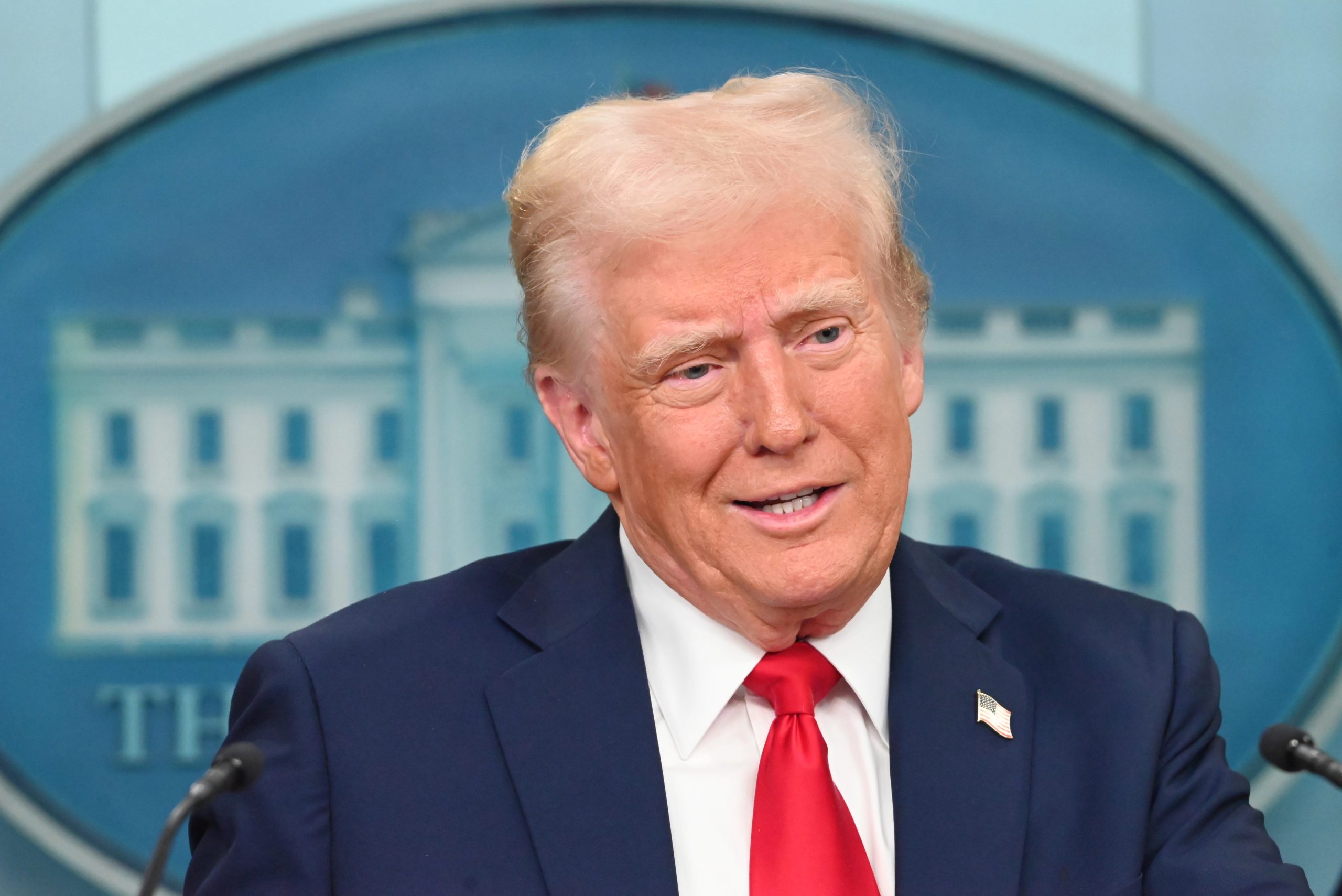
A Hill opinion piece asks whether the Trump era has ended, but Donald Trump’s current position in the White House points to a more complicated answer. His personal influence and the lasting power of Trump-style politics are related, but they are not the same thing.
Donald Trump and the Trump era remain central to U.S. politics, making the question of whether the era has ended difficult to answer with a simple yes or no. A Hill opinion piece raises the issue, but Donald Trump’s political influence has plainly not disappeared: he returned to the White House after the 2024 election, according to the White House.
The more useful test is not whether Trump dominates attention today. It is whether the political habits, voter coalition, party incentives and governing agenda associated with him can survive when he is no longer the person setting the terms of the debate.
Trump is still the central figure
Calling an era over usually means the figure at its center has lost the ability to shape events. That is not the situation suggested by Trump’s return to the presidency.
The White House identifies Trump as the 45th and 47th president, an unusual political position that reinforces a basic reality: he is not merely a former leader whose ideas are being debated by others. He is again the sitting president, with the platform, executive authority and party influence that come with the office.
That does not mean every Republican officeholder, voter or policy fight moves in perfect lockstep with him. It does mean that claims of a post-Trump political order need to clear a high bar. A movement is not usually considered finished while its defining leader is still governing from the White House.
An era is bigger than one presidency
Still, the phrase Trump era has never referred only to a calendar period in office. It has been shorthand for a political style as much as a person: confrontational messaging, distrust of established institutions, an emphasis on immigration and borders, skepticism toward long-standing policy orthodoxies, and a preference for direct conflict over conventional political restraint.
Some of those impulses existed in American politics before Trump. Others have been strengthened, reorganized or made more visible by his rise. That distinction matters because an era can fade even if parts of its agenda remain, and it can continue even after a leader leaves office.
The test, then, is not whether Republicans use Trump’s name in every race. It is whether candidates believe they must appeal to the voters and priorities he has mobilized in order to win.
The Republican Party faces two tests
The first test is loyalty. Trump has demonstrated an unusual ability to make support for him personally a measure of standing within Republican politics. That kind of influence can be powerful, but it can also be difficult to transfer to another politician.
The second is durability. A political coalition becomes an era when it can select new leaders, adapt to setbacks and continue shaping institutions without needing its founder to be on every ballot.
Supporters of Trump may argue that the movement has already passed this test because its ideas have changed what Republican voters expect from candidates. They can point to a party less comfortable with old assumptions about trade, foreign policy, immigration and elite expertise.
Critics see a different vulnerability. They argue that personal loyalty to Trump can obscure the absence of an agreed successor, a settled governing philosophy or a coalition that remains united when Trump is not the focal point. Both views can be true in part: a movement may have lasting effects while still relying heavily on its most recognizable leader.
Power and popularity are different
Political influence is not measured by polls alone, nor is it proven simply by holding office. A president can have substantial institutional power while facing resistance from Congress, courts, state governments, voters, business groups, foreign allies and members of his own party.
That is one reason declarations of an ending can arrive too early. A loss, a backlash or an intra-party disagreement may reveal limits on Trump’s influence without proving that his political era has closed. Conversely, a presidential victory does not settle whether his approach will define the next generation of politics.
The White House’s description of Trump’s current administration emphasizes a mandate to pursue its agenda after his 2024 victory. That is the administration’s own account, not a neutral verdict on the breadth or permanence of that mandate. But it illustrates why the immediate question is about governing power as well as campaign rhetoric.
The succession question matters most
The clearest answer may not emerge until the contest to define Republican politics after Trump becomes unavoidable. The key issue will be whether prospective leaders can win by adopting his priorities, by modifying them, or by offering a genuine break from them.
There is also a broader question for Democrats and independents. A political era is shaped not only by its supporters but by its opponents. If Trump’s style and policy priorities continue to organize the arguments made against Republicans, his influence may outlast his time in office even where voters reject particular candidates or proposals.
History offers no neat expiration date for political eras. They often overlap: a leader’s direct control can weaken while the coalition, language and institutional changes associated with that leader remain deeply embedded.
Premature endings can misread politics
The Hill opinion’s question is worth considering because it directs attention beyond the daily cycle of presidential statements and political conflict. But the available facts support caution more than finality.
Donald Trump is back in the White House, and the Trump era is still an active force in the country’s governing and electoral debates. Whether it becomes a lasting political realignment, a movement inseparable from one man, or something in between remains unresolved.
The eventual measure will be less about the moment someone declares the era finished than about what happens after Trump no longer has the presidency, the campaign stage and the authority of office behind him.
Leave a Reply