A fight over a $400 million White House ballroom has become an urgent test of presidential building authority, congressional approval and the limits of court intervention. The immediate question is whether construction can proceed while the broader appeal plays out.
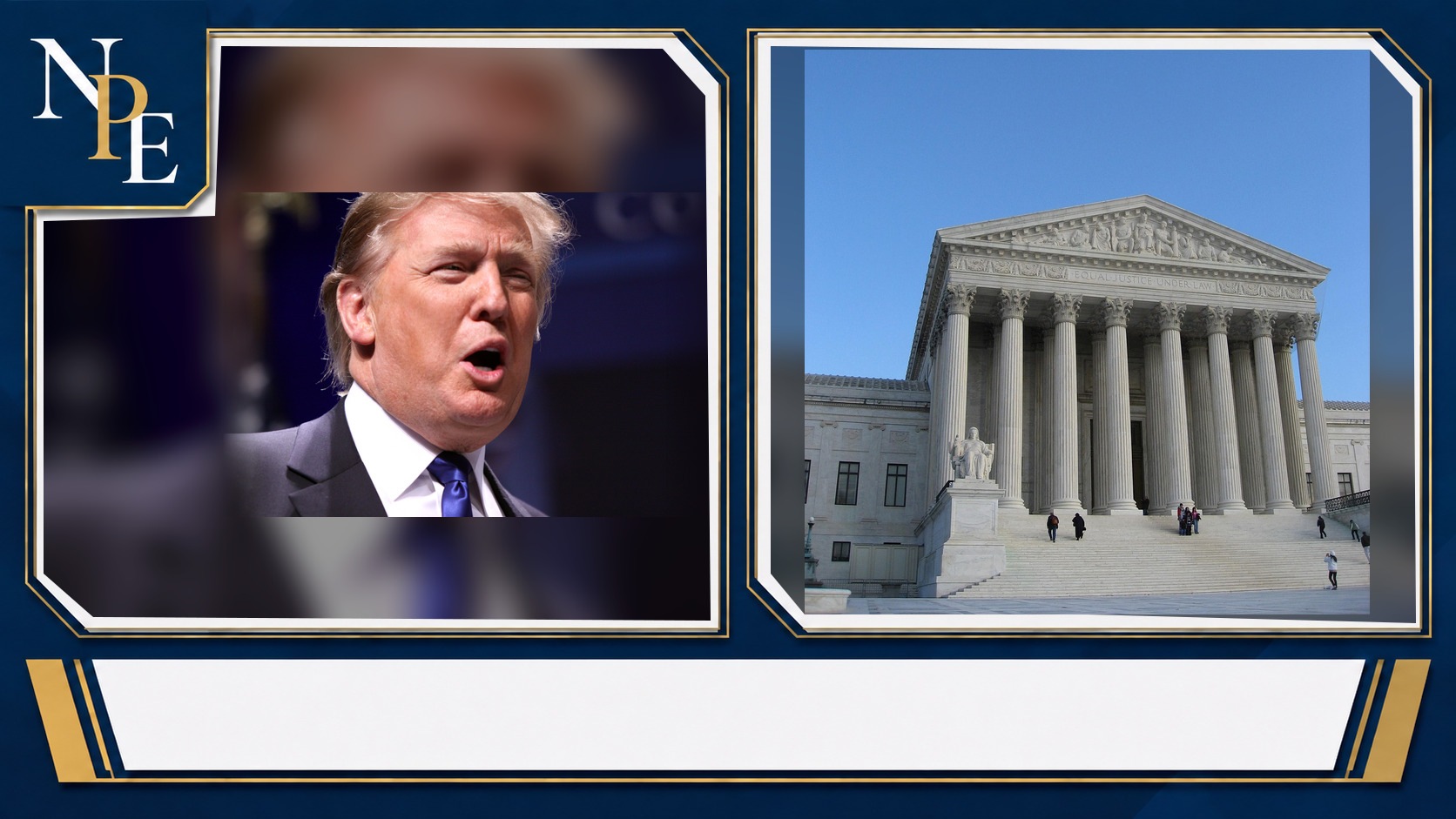
Donald Trump’s administration asked the U.S. Supreme Court on August 14, 2026, to let construction continue on Trump’s $400 million White House ballroom in Washington, D.C., while it appeals a lower-court order halting the work. The National Trust for Historic Preservation, the group challenging the project, warned the Supreme Court that Trump’s White House ballroom project could soon become irreversible.
Chief Justice John Roberts set Tuesday as the deadline for the challengers’ response. The immediate legal fight is over whether work can continue before an appeals-court ruling takes effect on Aug. 21—and whether rapid construction could leave the courts with little practical ability to undo the project later.
What the administration wants
The Trump administration is seeking an emergency stay of a decision by the U.S. Court of Appeals for the District of Columbia Circuit. That divided three-judge panel ruled that aboveground construction must stop because Congress has not approved the ballroom project.
Solicitor General D. John Sauer argued that the injunction would halt work on an integrated White House complex that includes a secure ballroom space. In the administration’s view, the president has broad authority to renovate the White House, and the work is tied to security needs.
The government also says the construction site itself creates security complications. Its filing describes the project as on schedule and under budget, funded through roughly $400 million in private donations rather than taxpayer money.
That account is contested. Democrats in Congress have said funds connected to Trump’s tax-cut legislation appear to be supporting ballroom work, while the administration has separately sought congressional funding that lawmakers have not approved.
The lower courts drew a line
The appeals court upheld an earlier order from U.S. District Judge Richard Leon requiring a pause in aboveground work. Leon did not stop all activity: his ruling allowed underground construction, including work involving bunkers, military facilities and medical functions.
The D.C. Circuit’s two-judge majority said a major new ballroom cannot be built through unilateral presidential action when Congress has not authorized it. The proposed space would be about 90,000 square feet, located where the White House East Wing stood before its demolition last fall.
One judge dissented, saying the preservation group did not have legal standing to bring the lawsuit. That disagreement is central because the Supreme Court may consider not only the merits of the construction dispute, but also whether the National Trust has the right to litigate it at all.
Leon, a George W. Bush appointee, concluded that a temporary pause would not endanger national security, particularly because security-related work remained exempt. The administration strongly disputes that assessment.
Why the word irreversible matters
The National Trust’s warning focuses on the pace and physical reality of construction. According to the group’s response to the administration’s Supreme Court filing, the White House planned to install 1 million pounds of rebar and pour another 3,000 cubic yards of concrete within a week.
That matters because courts can order construction paused, but they may have fewer workable options after concrete is poured and structural work advances. A future ruling against the government could become harder to implement without tearing out completed work or accepting a project that has already changed the site.
The administration says that concern cuts the other way: leaving the East Wing area as an open construction site, it argues, makes protecting the White House more difficult. The two sides are therefore presenting competing versions of urgency—one centered on preserving meaningful judicial review, the other on security and continuity of construction.
The National Trust accused the administration of trying to “outrun the courts” by accelerating the project. The government characterizes the requested pause as an unlawful disruption of an important presidential renovation project.
Security claims shape the case
The administration’s filing goes beyond the ballroom’s ceremonial purpose. It calls the planned space a secure component of the White House complex and cites recent threats to Trump as support for its argument.
Among the filing’s assertions is that a threatened missile attack on Air Force One in July led the Secret Service to fly Trump out of Turkey on an alternate military aircraft. The government cited that episode in describing its need for secure facilities.
Critics are likely to question whether security concerns justify bypassing Congress on a major permanent construction project. Supporters of the administration’s position can point to the president’s responsibility for White House security and the practical difficulty of separating a large construction effort from broader protective needs.
The legal issue is narrower than a public debate over ballroom design or taste. The court fight asks who gets to decide when a president wants to substantially alter a nationally significant federal property: the executive branch alone, Congress, or a combination of both under judicial oversight.
A fast Supreme Court timetable
The Supreme Court is considering a request to pause the appeals court’s order, not a final decision on every question raised by the lawsuit. Roberts’ Tuesday response deadline signals that the dispute is moving on a compressed schedule.
The lower court had already delayed the effect of its ruling for two weeks to allow the administration to seek Supreme Court relief. Sauer asked the justices to act before Aug. 21, when the appeals court’s construction halt is scheduled to take effect.
The administration says the ballroom is about 65% complete after 10 months of work. That claimed progress gives both sides a reason to seek speed: the government wants to avoid interruption, while preservationists want to prevent more permanent changes before courts finish reviewing the legality of the project.
What remains unclear is whether the Supreme Court will grant temporary relief, leave the lower-court order in place, or set additional conditions while the appeal proceeds. Its near-term decision will determine whether the construction race pauses—or whether the legal battle continues alongside work at the White House.
Leave a Reply