
O’Reilly’s broadside comes as democratic socialist candidates gain visibility in Democratic primaries. A key Wisconsin race and polling on the movement suggest the debate is far from settled.
Bill O’Reilly criticized socialist and communist politics in the United States on Wednesday, saying he does not believe the “American public are” going to support what he called “socialist communist lunacy.” His remarks came as Democratic socialist candidates have won recent Democratic primary contests, putting new attention on whether the movement’s momentum can extend beyond party primaries.
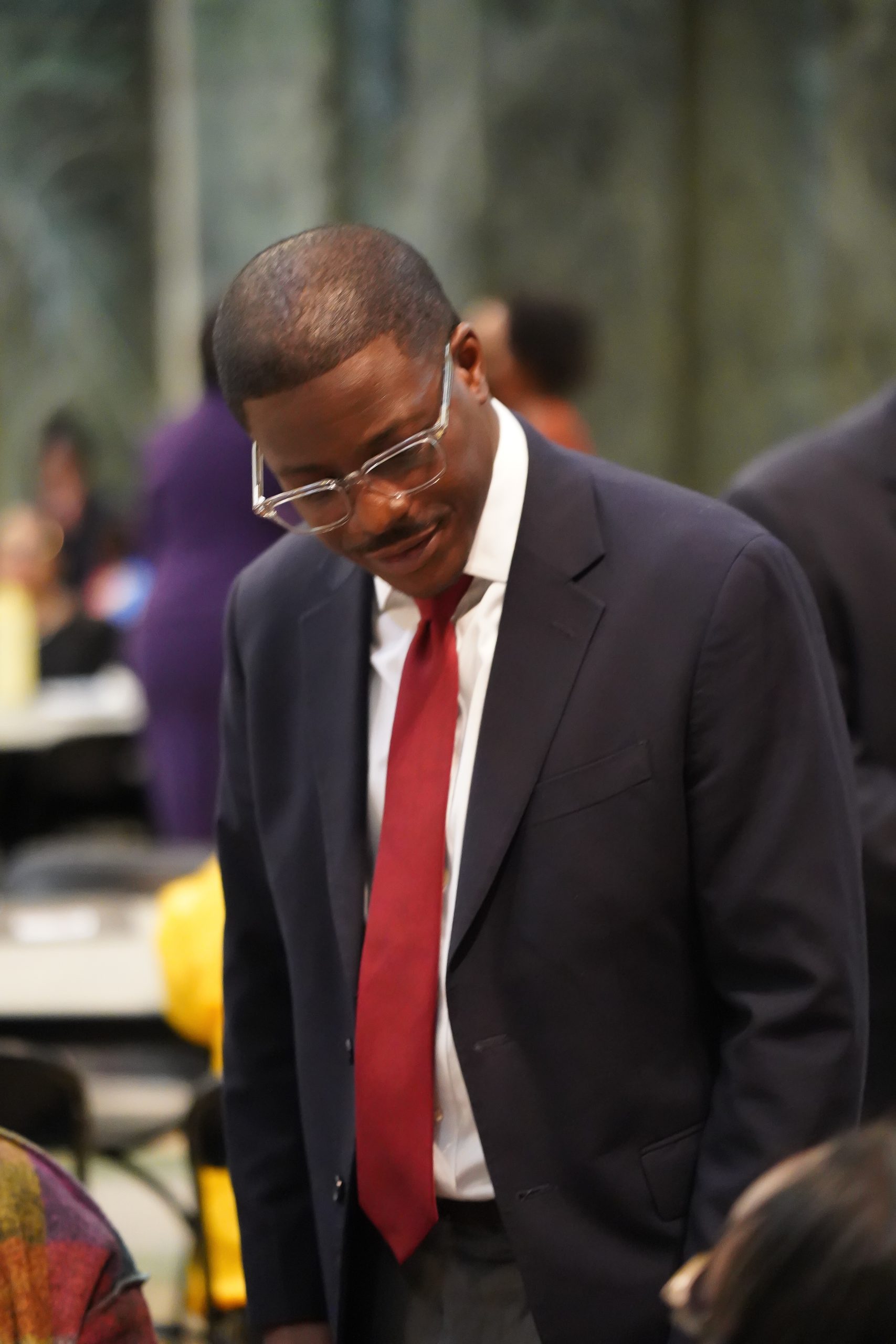
O’Reilly’s prediction arrived alongside a notable counterpoint in Wisconsin: Milwaukee County Executive David Crowley defeated democratic socialist Francesca Hong in the Democratic gubernatorial primary, according to a race call reported by Decision Desk HQ. The results underline the central question behind the clash: how much appetite is there for the Democratic Party’s left flank among a wider voting public?
O’Reilly’s broadside targets the left
Speaking on NewsNation’s Katie Pavlich Tonight, O’Reilly argued that candidates who move too far left will struggle with voters outside an ideologically committed base. He framed the issue as one of general-election viability rather than party label, saying voters would not embrace such politics regardless of which party advanced them.
The former television host was discussing Hong, a Wisconsin Democratic gubernatorial candidate who identifies as a democratic socialist. His language was characteristically combative, including his use of the phrase “ideological zombies” to describe people he sees as committed to the ideology.
That framing is O’Reilly’s political judgment, not a measure of public consensus. Still, it reflects a familiar argument from Republicans and centrist Democrats: primary coalitions can reward sharper ideological positions, while statewide and national elections require candidates to win over a broader mix of voters.
Recent victories raised the movement’s profile
Democratic socialist and insurgent progressive candidates have posted primary wins in recent months in places including Washington, D.C., and Colorado, according to reporting by The Hill. Those victories have elevated a faction that argues the party should be more direct about economic inequality, health care, climate policy and the power of large corporations.
New York City Mayor Zohran Mamdani has become one of the movement’s most visible national figures following his upset victory in the city’s mayoral race last year. Mamdani has argued that democratic socialists running as Democrats are not abandoning the party but reclaiming an older tradition associated with Franklin D. Roosevelt, Fiorello La Guardia and the New Deal.
That is the core dispute beneath the labels. Critics such as O’Reilly portray democratic socialism as an unacceptable break from mainstream American politics. Its advocates describe it as a return to a Democratic tradition of stronger public programs, labor protections and economic reform.
Crowley’s Wisconsin win complicates the story
Crowley’s victory over Hong offers evidence for a more cautious reading of the left’s recent gains. Decision Desk HQ called the Wisconsin Democratic gubernatorial primary for Crowley early Wednesday, giving center-left and more mainstream Democrats a prominent win after several weeks in which democratic socialist candidates had drawn attention.
Hong had faced criticism from Republicans and some Democrats over past comments supporting defunding the police and over a 2021 call to “cancel Thanksgiving.” Those attacks became part of a race that tested both ideological identity and the political liabilities opponents believe come with it.
One primary does not settle a national argument. Wisconsin has its own political makeup, candidates and campaign dynamics. But Crowley’s win shows that the party’s internal contest is not simply a story of the left advancing without resistance.
Polling shows a divided public
Recent Reuters/Ipsos polling cited by The Hill found a divided and uncertain public view of democratic socialism. Twenty-seven percent of respondents said democratic socialists have at least several valid beliefs, while 51 percent said they have very little or no beneficial beliefs. Another 23 percent said they were unsure or did not respond.
Those numbers do not prove O’Reilly’s prediction, nor do they demonstrate a national embrace of the movement. They do suggest that democratic socialism remains an unsettled and often misunderstood political label for many voters.
The distinction matters because candidates may share some policy goals without using the same ideological language. Voters can support particular proposals while reacting differently to a broad label such as “socialism,” especially when opponents link it to communism.
The label fight may shape elections
The Democratic Socialists of America, one of the country’s leading democratic socialist organizations, describes its vision as a system in which ordinary people have a real voice in workplaces, neighborhoods and society. The group’s priorities include Medicare for All, the Green New Deal and defunding the police.
Supporters see those goals as an answer to high costs, economic inequality and what they view as excessive corporate influence. Critics argue that the agenda would expand government too far, weaken market-based systems or alienate voters who may favor incremental change.
That tension gives political figures like O’Reilly a clear line of attack. It also gives democratic socialist candidates a choice: run directly on the label, stress popular individual policies, or make the case that the two approaches are inseparable.
Primary momentum faces a wider test
The immediate story is not that one side has decisively won the argument. Democratic socialist candidates have made real gains and produced high-profile victories, while Crowley’s Wisconsin result shows mainstream Democrats can still prevail in consequential contests.
O’Reilly’s claim that the American public will reject the movement is therefore a forecast, not an established outcome. Its strength will be tested race by race, especially where Democratic nominees must appeal to independents, moderate Democrats and voters who do not follow ideological debates closely.
For now, the most revealing signal may be the divide itself: democratic socialism is no longer a peripheral topic inside Democratic politics, but neither is it a settled path for the party.
Leave a Reply