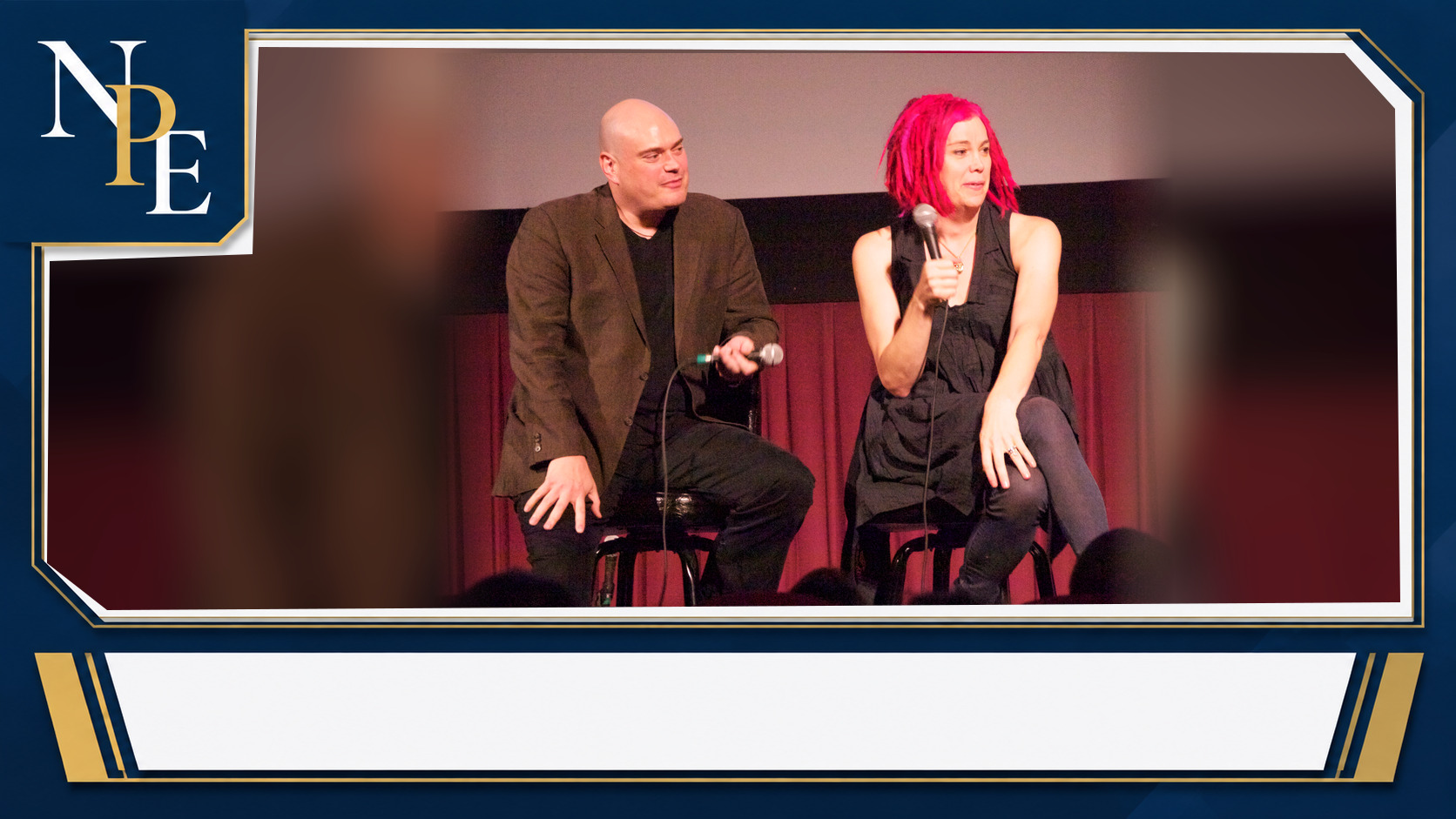
The Matrix co-director has linked an alleged funding roadblock to her proposed film’s entirely transgender cast. The assertion puts a familiar Hollywood debate over representation, marketability and who gets to tell stories back in focus.
Lilly Wachowski claims she cannot fund a new film because the new film has an entirely transgender cast. The Matrix director says the project is allegedly unable to secure funding because of its cast, according to a report by The Independent. Her claim matters because financing—not simply casting—is often the deciding gate between an ambitious movie idea and a film audiences can actually see.
Wachowski, who co-directed The Matrix films with her sister Lana Wachowski, has long been one of Hollywood’s most prominent transgender filmmakers. But the available report does not identify the proposed film, its budget, its prospective backers or whether financiers offered a formal reason for declining it.
A financing claim with few public details
The central point is Wachowski’s account: she says an all-transgender ensemble has become a barrier to getting a new film financed. That is a claim about the business side of filmmaking, where producers must persuade studios, distributors, investors or other funders that a project can be made and sold.
It should not be read as proof that every company approached by Wachowski gave the same explanation, or that a specific studio formally rejected the project over casting. No named financier, deal memo or response from a potential backer was included in the material available for this report.
That distinction matters. Film financing can collapse for overlapping reasons, including budget size, distribution plans, casting commitments, shifting corporate strategies and concerns about international sales. Wachowski’s assertion is that the all-trans cast is the decisive obstacle; the full record behind that assessment has not been made public.
Why casting can shape a deal
Movies are usually financed before audiences have a chance to signal whether they want them. Backers make forecasts using familiar measures: the director’s track record, the screenplay, projected production costs, recognizable stars, genre, release strategy and the likelihood of sales in different markets.
That system can reward projects that resemble past commercial successes. Supporters of Wachowski’s position argue that this is exactly why underrepresented performers can be locked out: decision-makers describe a lack of precedent as financial caution, then continue withholding the investment needed to create precedent.
A different view is that financiers are responding to a difficult theatrical and streaming market rather than making a judgment about transgender performers themselves. That argument may explain broad risk aversion, but it does not resolve Wachowski’s larger criticism: risk calculations are not neutral when some groups repeatedly have fewer chances to lead major projects.
Wachowski’s connection to trans storytelling
Wachowski’s comments carry particular weight because her work is already central to conversations about transgender representation in popular culture. She and Lana Wachowski wrote and directed the original Matrix film, released in 1999, and its sequels.
In 2020, Lilly Wachowski said she was glad audiences had recognized The Matrix as a transgender metaphor. Speaking to Netflix Film Club, she said that had been the original intention, while adding that “the corporate world wasn’t ready for it” at the time.
That history gives her new assertion a broader frame. It is not simply a director seeking money for one film; it is a filmmaker describing a continuing disconnect between stories that resonate with transgender viewers and the industry’s willingness to finance work centered on transgender talent.
Representation is not the same as access
Hollywood has produced more visible transgender characters and performers than it did a generation ago, but visibility and sustained access are different measures. A performer appearing in a supporting role, a documentary subject receiving attention or a series featuring one transgender character does not necessarily translate into financing for a film built around an entirely trans ensemble.
Research on transgender and gender-diverse representation has frequently focused on the harms of stigma and marginalization in media as well as in daily life. The practical film-industry question is narrower but consequential: who is deemed commercially viable before a camera starts rolling?
An all-trans cast can be treated as a creative premise, not a limitation. It could offer performers rare opportunities to play a full range of roles rather than being confined to stories about transition, trauma or identity disclosure. Whether investors see that possibility as an artistic strength or a perceived market risk can determine what kinds of films are available.
The unresolved questions behind the project
There is still much that the public does not know about Wachowski’s proposed movie. Its title, story, intended scale, proposed budget, production timetable and cast have not been detailed in the available material.
It is also unclear whether the project is seeking traditional studio backing, independent investment, a streaming commitment, international pre-sales or another funding route. Those routes carry different expectations, and a project rejected by one type of financier may still be viable through another.
Potential funders have not publicly responded to Wachowski’s account in the reporting provided. Until more information emerges, the most accurate reading is limited: Wachowski says her film cannot secure financing because it would feature an entirely transgender cast, while the specific decisions and parties behind that alleged barrier remain unknown.
The bigger test for Hollywood
The immediate outcome is not a completed film or an announced deal. It is a public challenge from a filmmaker with an unusual level of industry credibility: if an established Matrix director says this project cannot get funded, what does that suggest about opportunities for less powerful transgender creators?
The answer will depend on what happens next. A funding announcement, a public response from potential partners or further details from Wachowski could clarify whether the project finds another path. For now, her claim spotlights the often-hidden stage where representation is either enabled or stopped—long before viewers buy a ticket or press play.
Leave a Reply