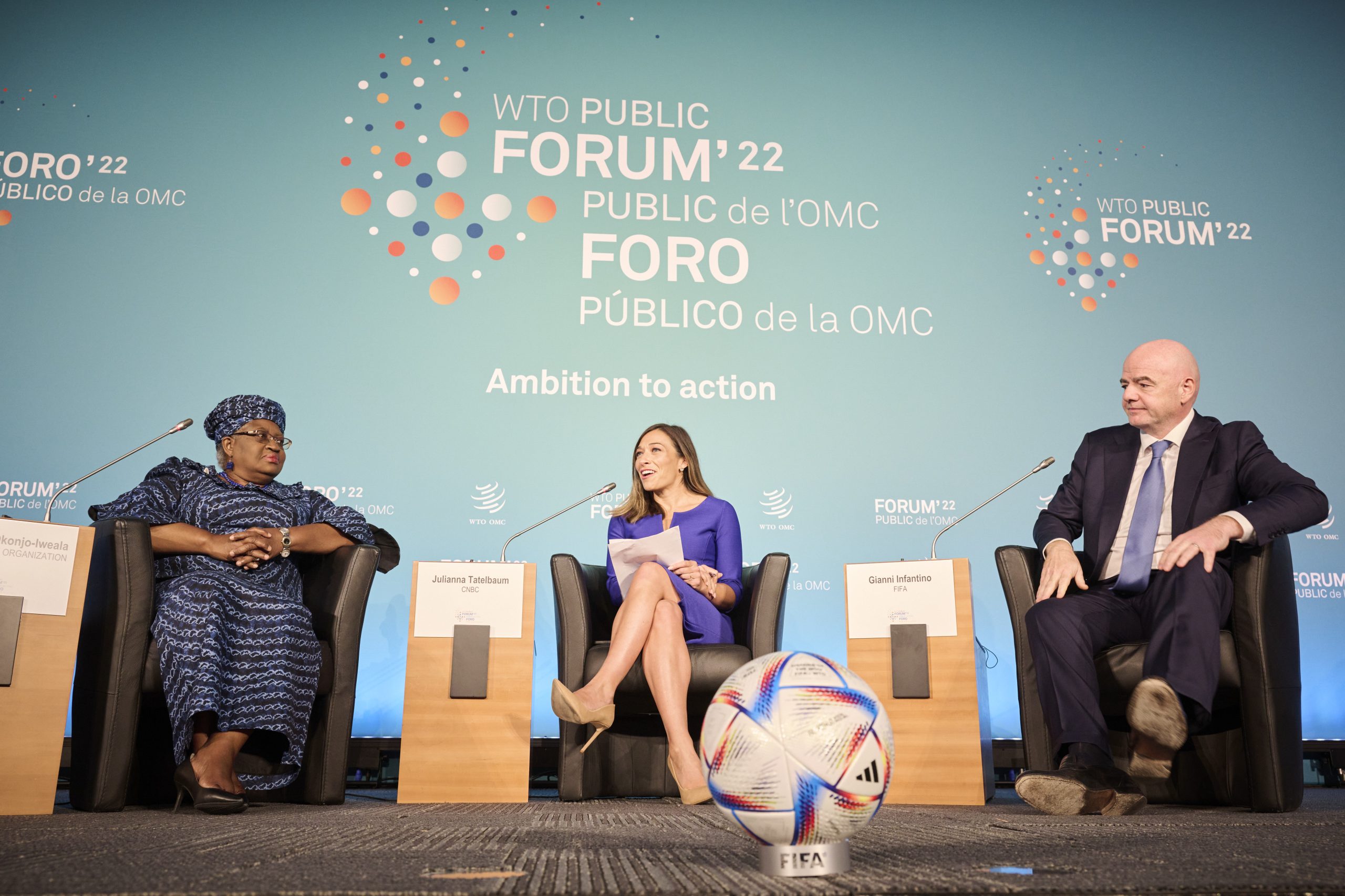
The fight is about more than one abandoned business proposal. It has exposed a trust problem between FIFA leadership, powerful regional bodies and officials inside the organization.
Gianni Infantino faces a FIFA revolt after the collapse of a World Cup investor plan: FIFA scrapped the proposed World Cup private-investor plan early Saturday after backlash from UEFA, CONCACAF and other regional soccer leaders. Infantino’s future as FIFA president is in doubt because the $20 billion proposal struck at the World Cup, the asset that funds a sport governed through FIFA’s 211 member associations; available reporting also leaves a $40 million figure unexplained.
The immediate sale is off. The harder problem for FIFA is whether its biggest members still trust the way decisions are being made at the top of world soccer.
Why one proposal shook FIFA
According to AP, Infantino proposed creating a $20 billion company to run the World Cup with private investors. The proposal would have sold World Cup profits to outside backers, putting private capital much closer to FIFA’s most valuable tournament.

That made the idea combustible. FIFA is not simply a sports promoter trying to maximize a property. It is the global governing body for soccer, and the World Cup carries financial, political and cultural weight far beyond a normal commercial event.
Reuters described the episode as a private-equity gamble that backfired. Once opposition grew across confederations and within FIFA, abandoning the plan did not end the story. It raised a more difficult question: who had authority to develop an idea of this scale, and who was left out?
The regional pushback hardened
UEFA, European soccer’s governing body, delivered the most forceful public response after FIFA withdrew the plan. AP quoted UEFA saying, “No option should be off the table,” and saying the current FIFA leadership had lost UEFA’s confidence and that of many others in the soccer world.
That is not routine disappointment over a commercial proposal. It is a direct challenge to Infantino’s authority from one of soccer’s most powerful blocs.
UEFA president Aleksander Čeferin has been a central figure opposing the proposal. AP reported that UEFA’s 55 member nations had agreed to boycott the World Cup and other FIFA competitions if the plan went ahead.
CONCACAF, which governs soccer in North and Central America and the Caribbean, also demanded accountability. In a statement quoted by AP, the organization said a proposal of that magnitude “does not reach that stage by accident” and described it as a symptom of leadership that had stopped putting football first.
Opposition was not only European
The breadth of the resistance is part of what makes the crisis serious for Infantino. The Asian Football Confederation also opposed the plan, with its president, Sheikh Salman bin Ibrahim Al Khalifa, emphasizing consultation, collective dialogue and respect for established governance structures.
That matters because FIFA presidents survive politically through alliances across regions, not just by holding the title. UEFA’s anger alone would be significant. UEFA, CONCACAF and the Asian confederation opposing a World Cup plan changes the balance.
Even without an immediate formal removal process, a FIFA president can be weakened quickly if major soccer blocs decide confidence has broken down. The World Cup gives those disagreements extra force because it is the central event around which FIFA’s money, legitimacy and global influence are built.
Dissent surfaced from within
The revolt was not limited to regional soccer bodies. AP reported that Carlos Cordeiro, a senior adviser to Infantino and a former Goldman Sachs banker, resigned Friday. Cordeiro had represented FIFA on the White House Task Force for the World Cup.
Hours later, FIFA chief operating officer Kevin Lamour issued a statement to AP saying staff had been deceived by Infantino’s lack of openness in planning the sale over recent months. Lamour called it “the project of one person” and said soccer’s political leaders needed to ask hard questions and make decisions.
That internal criticism complicates any attempt to portray the dispute as a standard fight between rival confederations. If senior figures inside FIFA say the process lacked openness, the controversy becomes a test of management and governance, not just commercial strategy.
FIFA’s retreat leaves several unanswered points: who designed the proposal, who approved its development, how advanced discussions with investors became, and why major stakeholders say they were blindsided.
The case Infantino can make
There is a reasonable defense of exploring new money. Global soccer is expensive to administer. The World Cup is expanding. FIFA faces pressure to fund development, women’s soccer, youth programs and competitions in regions with very different resources.
Private investment can bring capital, commercial expertise and shared risk. Sports leagues and governing bodies have looked to outside money for media, events and digital growth. An investor proposal is not automatically improper.
But the strongest criticism has not been that private capital can never touch soccer. The anger centers on process, control and the idea of selling future World Cup profits. In FIFA politics, even a lucrative plan can become politically impossible if members believe it was built in secret or pushed past them.
That is why Infantino’s challenge is bigger than defending a financial model. He now has to show that FIFA’s largest decisions are made with the people who are supposed to govern the sport, not around them.
What remains unresolved
UEFA said it would work with its associations and other confederations to examine how the proposal happened and prevent a repeat. CONCACAF called for a full review of the leadership behind it.
It is not yet clear whether those demands will lead to a formal challenge to Infantino, an internal investigation, governance reforms or a negotiated cooling-off period. The phrase “No option should be off the table” is strong, but soccer politics often turns on private pressure and alliance-building before it reaches a decisive public vote.
One limit in the available account is also notable: the record flags a $40 million figure, but the reporting available here does not explain how that amount fits into the dispute. That uncertainty reinforces the broader problem critics are raising — the need for clearer disclosure around a proposal involving FIFA’s most important asset.
The sale is dead for now. The argument over Infantino’s authority is not. What began as a $20 billion World Cup monetization plan has become a referendum on whether FIFA’s leadership still has the confidence of the people expected to carry the sport with it.
Leave a Reply