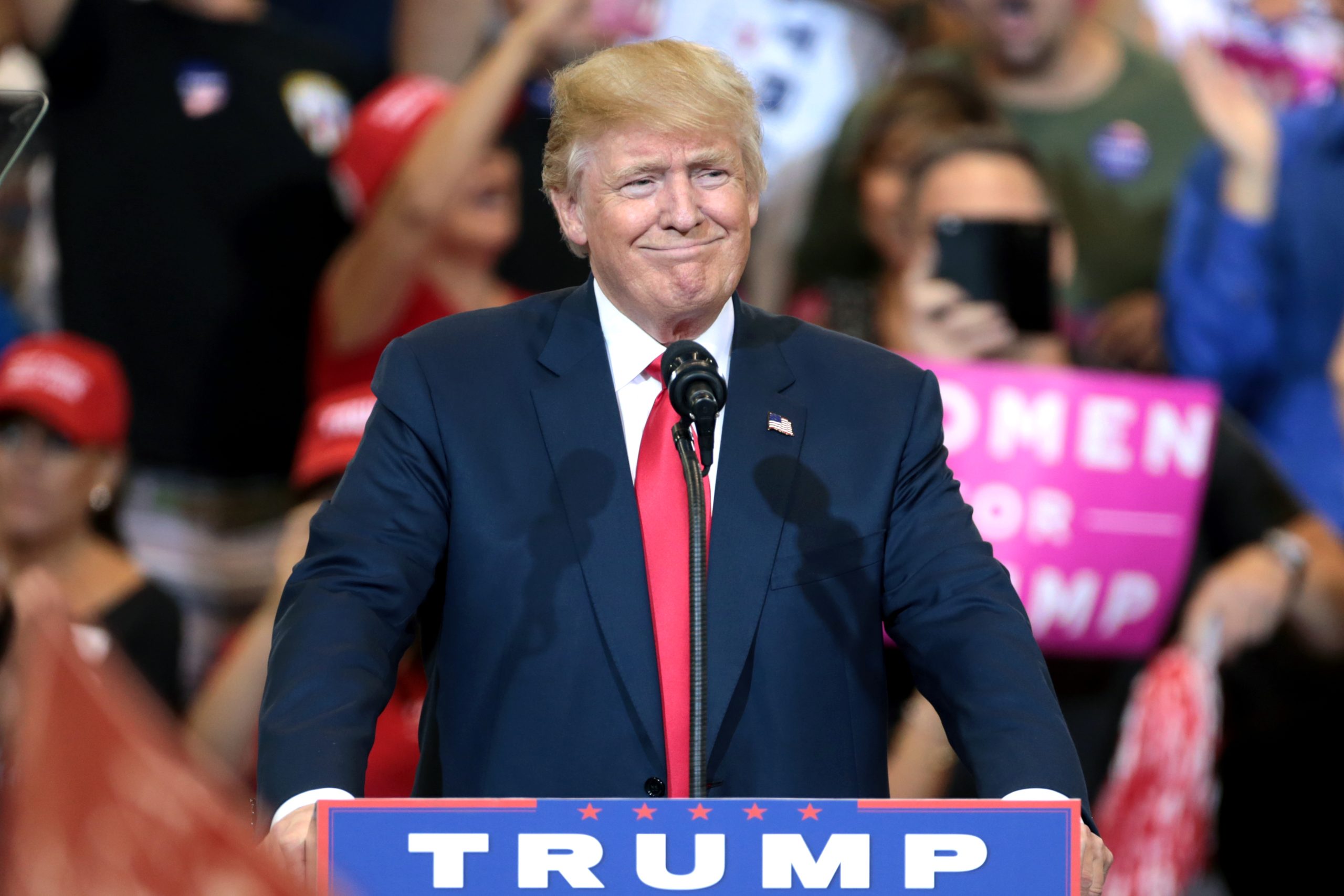
The fight is bigger than one DHS official. It shows how Trump-era immigration promises became both a governing test and a fundraising machine.
MAGA supporters are angry at a Trump DHS chief, and the backlash is exposing an alleged MAGA scam tied to Donald Trump’s border-wall politics and the Department of Homeland Security. The fight matters because the same movement that demands harder immigration enforcement has also produced a lucrative outrage economy around the wall, one that federal prosecutors have already shown can be abused.
The clearest example is We Build the Wall, the private crowdfunding campaign that the Justice Department says raised more than $25 million after promising donors their money would go to construction on the southern border.
The anger is the tell
The latest eruption inside MAGA is not just about one Trump DHS chief. It is about a recurring tension in Trump-era politics: the difference between a slogan that raises money and an agency that has to operate under law, budgets, contracts and court scrutiny.
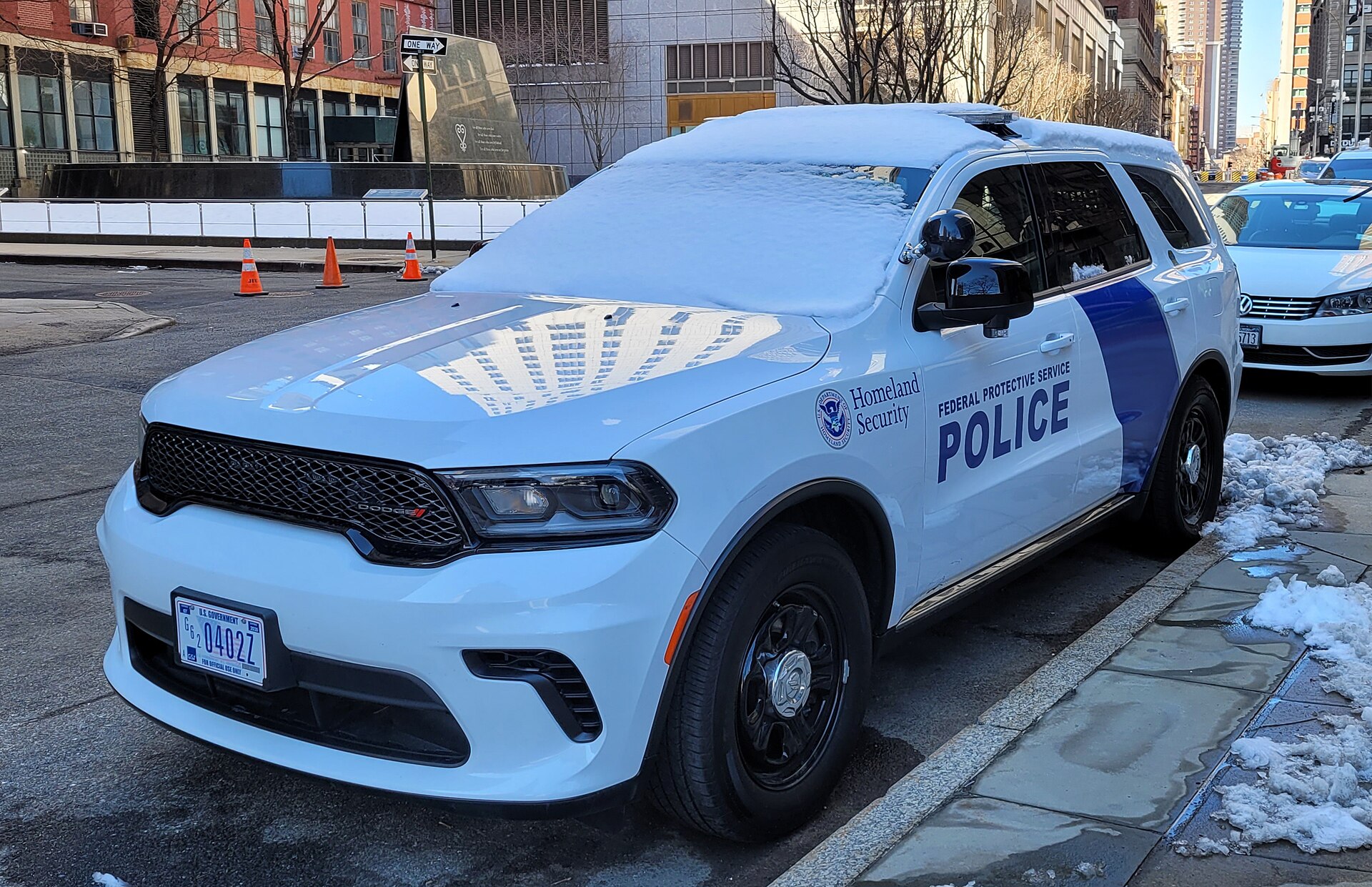
For hard-line supporters, the Department of Homeland Security is supposed to embody Donald Trump’s immigration agenda. When DHS leadership appears too slow, too constrained or too establishment-minded, anger turns inward fast.
That is where the alleged scam comes in. Critics argue that some Trump-aligned figures have learned to monetize the gap between what supporters are promised and what government can actually deliver. The wall became a symbol, a fundraising hook and, in one major case, the center of a criminal fraud.
The proven wall fraud
The Justice Department’s We Build the Wall case is the hard record behind the broader complaint. Federal prosecutors said Brian Kolfage, Andrew Badolato, Timothy Shea and others orchestrated a scheme beginning around December 2018 to defraud hundreds of thousands of donors through an online campaign to build a wall along the southern border.
According to the U.S. Attorney’s Office for the Southern District of New York, the campaign raised more than $25 million. Prosecutors said donors were told that Kolfage would “not take a penny in salary or compensation” and that 100% of funds raised would be used for the group’s mission.
Those claims, prosecutors said, were false. The Justice Department said Kolfage covertly took more than $350,000 for personal use, while payments were routed through controlled entities and concealed with fake invoices and sham contracts.
Kolfage was sentenced to 51 months in prison, and Badolato was sentenced to 36 months. Shea was convicted at trial of conspiracy to commit wire fraud, conspiracy to commit money laundering and obstruction of justice, according to the same Justice Department release.
Why DHS keeps getting pulled in
DHS is not a campaign slogan. It is the federal department responsible for border security, immigration enforcement, disaster response, cybersecurity and other sprawling missions. That makes it a natural target when Trump’s supporters believe the government is failing to deliver the version of border security they were sold.
Trump made the border wall one of the most recognizable promises in modern Republican politics. The phrase was simple, repeatable and emotionally powerful. It also created expectations that collided with appropriations fights, land issues, construction logistics and legal limits.
Private fundraising efforts stepped into that emotional space. They told supporters they could bypass Washington and help build the wall themselves. In the We Build the Wall case, prosecutors said that trust was abused.
That history gives today’s intramovement anger a sharper edge. When MAGA supporters erupt at a Trump DHS chief, they are not only venting about policy. They are also revealing how much political energy has been invested in a promise that has repeatedly been used to solicit loyalty, attention and money.
Two MAGA stories collide
There are two competing readings of this moment, and both explain why the reaction is so combustible.
For many MAGA supporters, the story is betrayal. They believe Trump’s immigration agenda has been undermined by bureaucrats, judges, Democrats, weak Republicans or insufficiently aggressive officials. From that view, anger at DHS leadership is pressure from the base to keep faith with campaign promises.
For critics, the story is grift. They see a political ecosystem where maximalist promises generate donations and clicks, while responsibility is shifted elsewhere when the results disappoint. The We Build the Wall fraud case is central to that critique because it involved real donors, real money and federal criminal accountability.
Those views are not mutually exclusive. A donor can sincerely support a border wall and still be exploited. A movement can contain genuine policy demands and also attract operators who profit from turning outrage into revenue.
The donor trust problem
The most important part of the Justice Department’s We Build the Wall summary is not only the dollar amount. It is what U.S. District Judge Analisa Torres said about the victims.
According to prosecutors, Torres noted that the case was “no ordinary financial fraud” because donors were expressing views about a political issue that mattered to them. She said the conduct could chill political donations and hurt public trust.
That point applies beyond one campaign. Political fundraising often depends on urgency: donate now, stop the threat, finish the mission, save the country. When the message is wrapped in identity and fear, donors may be less likely to ask ordinary questions about oversight, compensation or spending.
- Who controls the money?
- How much goes to the stated mission?
- Are organizers paid?
- Is there independent auditing?
- What happens if the promised project cannot legally or practically be completed?
Those questions are not anti-MAGA or anti-Trump. They are basic safeguards for anyone giving money to a political cause.
What remains unresolved
It would be irresponsible to say every flare-up around a Trump DHS chief is itself evidence of criminal fraud. The current backlash is political. The proven criminal case is We Build the Wall.
But the connection is still meaningful. The same border-wall promise that shaped Donald Trump’s rise also created a market for private actors who claimed they could deliver what government had not. Federal prosecutors proved that, in at least one major case, donors were deceived.
The unanswered question is whether MAGA’s anger will be aimed only at officials who fail to meet the movement’s demands, or also at the political entrepreneurs who profit from those demands. That distinction matters because the victims of border-wall grift were not Trump’s opponents. They were his supporters.
The clean takeaway is this: outrage at DHS may be politically useful, but donor trust is the deeper issue. If a movement keeps turning disappointment into fundraising, supporters have reason to ask who benefits before they give again.
Leave a Reply