The finding turns a monument fight into a detailed preservation dispute over views, memorials and the symbolic landscape around the National Mall and Arlington.
A federal review found that Trump’s proposed Washington, D.C. arch would adversely affect 37 other landmarks, putting a preservation hurdle in front of one of President Donald Trump’s most prominent capital-beautification ideas. The National Park Service reviewed the arch’s impact on historic sites in Washington, D.C., and nearby Arlington through a Section 106 process.
Why it matters now: public comment on the assessment closed July 30, and the NPS finding gives opponents and agencies a concrete list of affected views, memorials and landscapes to argue over before the project can move ahead.
A view problem, not just an arch
The key phrase in the review is adversely affect. In preservation law, that does not simply mean some people dislike the look of a project. It means a federal undertaking could alter qualities that make a historic property eligible for protection, including its setting, feeling, association or important views.
That distinction matters because the proposed Triumphal Arch is not being judged only as a standalone structure. The National Park Service assessment frames it as something that would change how nearby landmarks are seen and experienced.
A finding of adverse effect does not automatically kill a federal project. It does, however, usually forces more consultation over whether the design can be changed, whether harms can be reduced, or whether agencies will accept the impacts and move forward anyway.
The 37 sites named
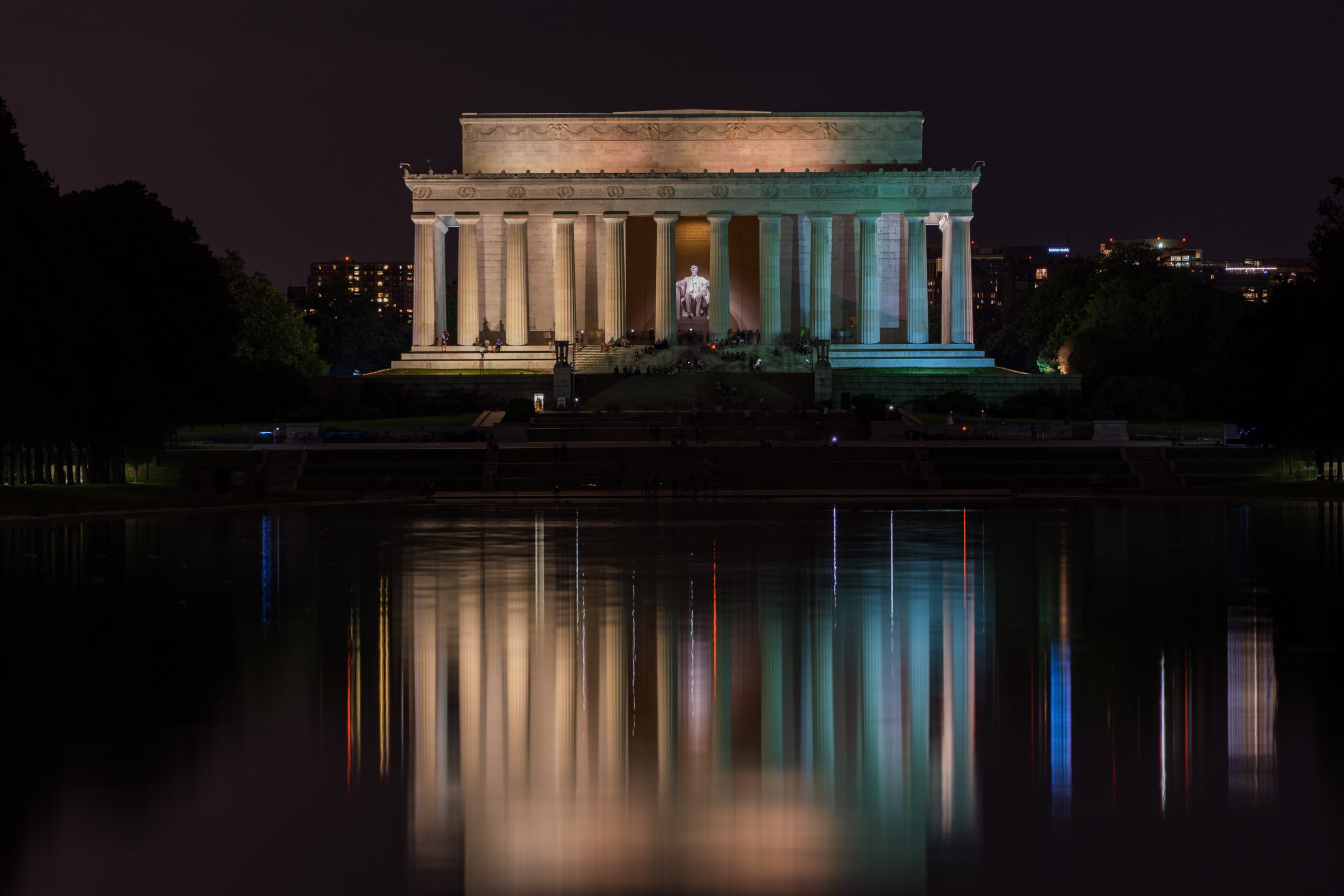
The NPS list reaches across some of the most recognizable civic spaces in and around Washington. According to reporting on the assessment, the affected sites include the Lincoln Memorial, the Washington Monument, the Thomas Jefferson Memorial, the U.S. Capitol, the Pentagon, the George Mason Memorial and the National Mall Site and National Mall Historic District.
Several Arlington-area sites are also included, among them Arlington House, the Robert E. Lee Memorial, and the Lyndon B. Johnson Memorial Grove. The breadth of the list is what makes the review politically and practically difficult for the project’s backers.
The issue is not only whether the arch would be visible. The review points to how it could interrupt established sightlines that are part of Washington’s commemorative landscape. That is especially sensitive in a city where monuments are arranged to tell a national story through space, distance and perspective.
Why the bridge location matters
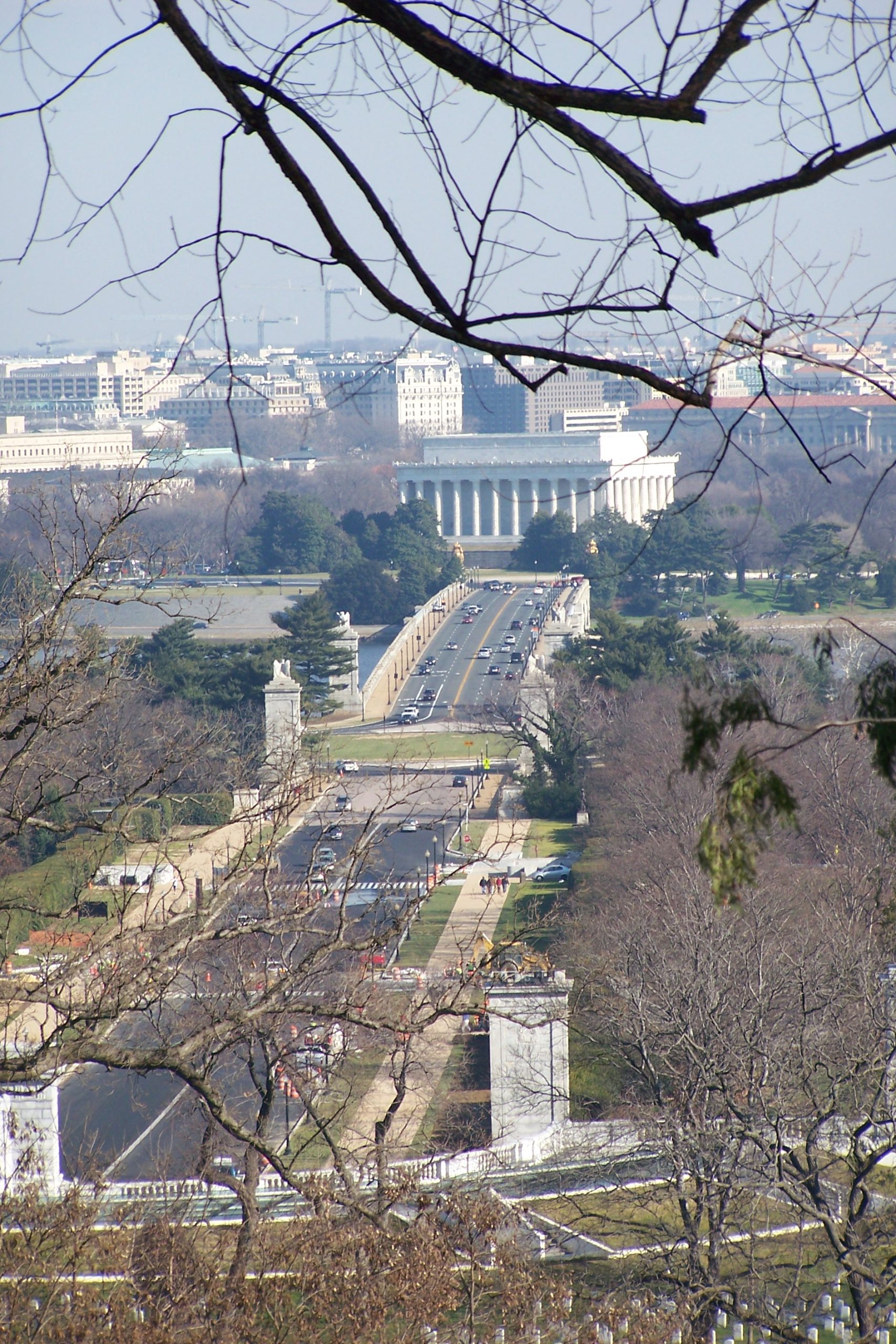
The proposed arch would be located along Arlington Memorial Bridge, a site already loaded with symbolism. The bridge links the Lincoln Memorial side of the capital with Arlington, and has long been understood as a route connecting North and South after the Civil War.
That placement is part of the appeal for supporters who see a grand arch as a statement piece. It is also the source of much of the preservation concern. A large new structure at that point could alter views toward the Lincoln Memorial, the Potomac River, Arlington Memorial Bridge and Arlington House.
The NPS assessment cited indirect effects on the Lady Bird Johnson Park Cultural Landscape, including obstruction of contributing views within the landscape and along the bridge. In plain terms, the agency is saying the arch would not need to touch a memorial to change the historic experience of it.
A monument with unusual scale
The proposal has drawn attention partly because of its size. The arch has been described as a structure that would become the largest of its kind in the world, exceeding Mexico City’s 220-foot Monumento a la Revolución and the 164-foot Arc de Triomphe in Paris.
Scale is central to the dispute. A small commemorative addition might be absorbed into Washington’s already crowded symbolic terrain. A record-size arch near the bridge would be harder to treat as background architecture.
Supporters can argue that national capitals regularly add monuments and ceremonial structures, and that Washington has always been reshaped by each era’s political priorities. Critics counter that the city’s monumental core is not empty space waiting to be filled; it is a protected historic composition where new projects can diminish older ones.
The politics behind the process
The arch is part of a broader beautification push associated with Trump, and that makes the preservation review inseparable from politics. For supporters, the project fits a familiar Trump preference for monumental scale, visual dominance and highly legible patriotism.
For opponents, the concern is that the arch would impose a presidential brand on a landscape built around shared national memory. The Hill reported that veterans who fought in the Vietnam War sued the Trump administration in February, arguing that the project would obstruct views of Arlington House and the Lincoln Memorial.
One retired Army officer, Gary Langston, was quoted by The New York Times warning that visitors to gravesites could look up and see the arch looming above them, with tourists on a viewing stand looking down. That criticism captures why the fight is not just architectural. It is about who controls the emotional tone of a solemn public place.
The review rules could shift
There is another moving part: the review process itself. The Advisory Council on Historic Preservation voted Friday to propose rewriting requirements for public consultation when projects affect historic sites, according to The Hill.
If those changes are finalized, they could affect infrastructure and federal projects near historic resources around the country. The council is expected to try to speed up projects, a goal that may appeal to administrations frustrated by long permitting and consultation timelines.
That creates a larger tension around Trump’s arch. The current NPS finding shows the preservation system doing what it was designed to do: identify harms before a major federal undertaking changes a historic landscape. At the same time, federal officials are considering changes that could alter how much time and public input that process requires.
What happens next
The adverse-effect finding leaves several questions unresolved. The project could be revised, its backers could propose mitigation, or agencies could continue through the review while accepting some level of harm to historic resources.
- Design changes: The arch’s location, scale or visual profile could become points of negotiation.
- Agency consultation: Preservation officials and consulting parties may press for ways to reduce the documented impacts.
- Political pressure: The White House’s appetite for the project could determine how aggressively it moves forward.
- Legal risk: Existing opposition, including the reported veterans’ lawsuit, could keep the project tied up even if agencies proceed.
The immediate takeaway is straightforward: the arch is no longer only a concept or a political symbol. It now has a formal federal review finding attached to it, and that finding says 37 landmarks would be adversely affected.
For a project meant to reshape a highly visible stretch of Washington, that is a serious obstacle. Whether it becomes a redesign, a delay or a political fight over preservation rules is the next test.
Leave a Reply