
The sell-off shows how quickly crude prices can move when war risk fades. But traders are still watching the Strait of Hormuz, Iran talks and whether the relief lasts.
Oil prices fell sharply after Donald Trump called off planned strikes on Iran, with Brent crude dropping about 7% to a three-week low on Monday and settling at $83.77 a barrel, according to Reuters. The oil market reacted to reduced geopolitical risk: a canceled attack lowered immediate fears of a wider conflict disrupting Middle East supply.
The relief trade was fast, but it was not a clean all-clear. The fallout from the canceled Iran strikes now turns on whether diplomacy, shipping routes and supply expectations can hold together long enough to keep prices from rebounding.
Why crude sold off fast
Oil markets move on barrels, but they also move on fear. When traders believe a conflict could threaten production, shipping lanes or insurance costs, they bid up crude before any physical shortage appears.
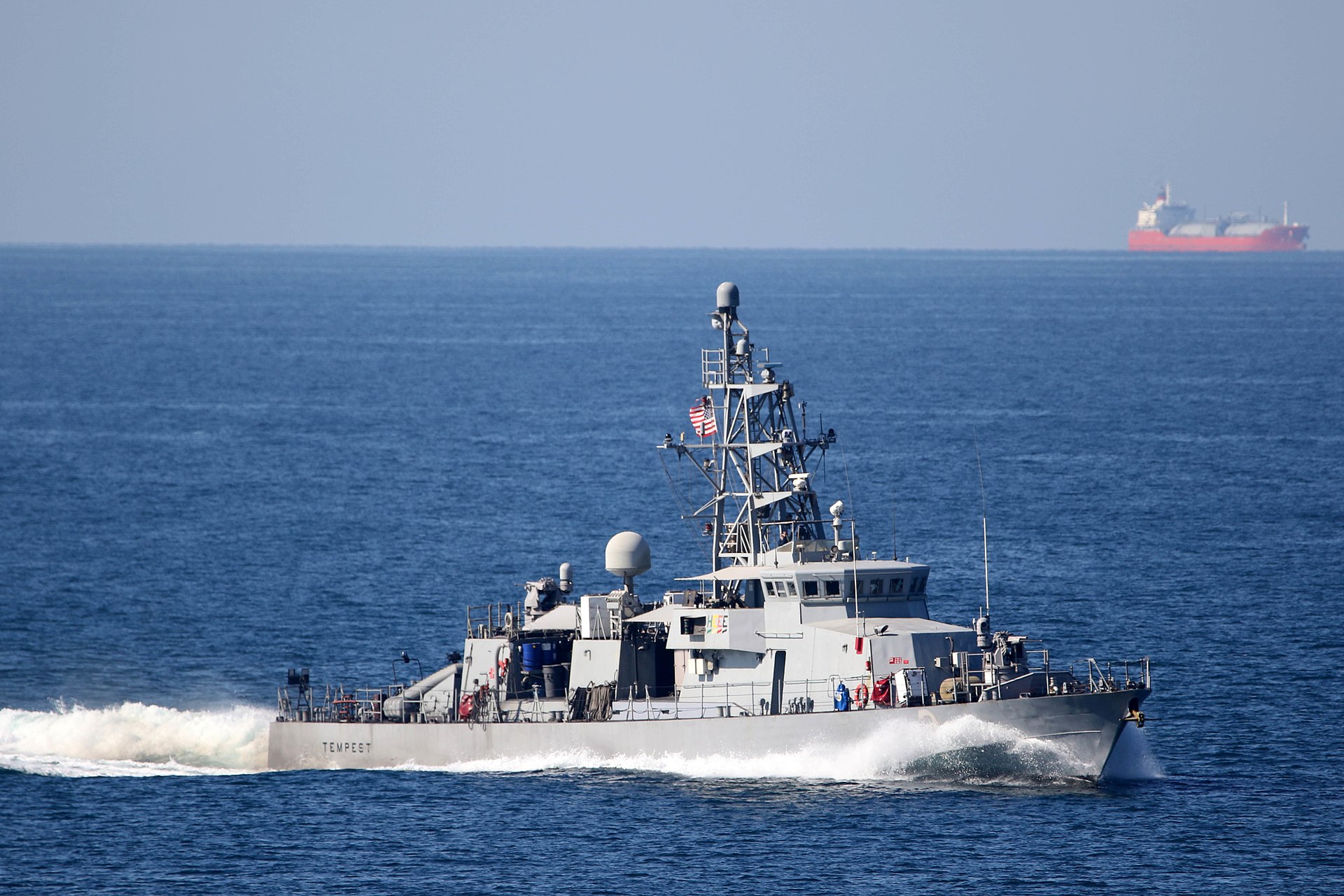
That is what made Trump’s decision so powerful for prices. If planned U.S. strikes on Iran had gone ahead, the market would have had to price in a higher chance of retaliation, regional escalation and disruption around one of the world’s most sensitive energy corridors.
Once the attack was called off, that immediate risk premium began to unwind. Reuters reported that front-month Brent futures fell $6.35, or 7.0%, to settle at $83.77 a barrel. Bloomberg also reported a drop in U.S. benchmark West Texas Intermediate, saying WTI lost about 5% to settle around $80 a barrel.
Those are large moves for a single session. They suggest traders were not just responding to headlines; they were reassessing the odds of a near-term shock to supply.
Hormuz remains the pressure point
The Strait of Hormuz is the piece of geography behind much of the anxiety. The waterway is a critical route for Middle East oil exports, and even talk of disruption can jolt energy markets.
Bloomberg reported that oil fell after both the U.S. and Iran signaled discussions tied to restoring shipping through the strait were ongoing. That raised hopes for a pickup in supply from the Middle East, though the details appeared far from settled.
The reporting also showed how murky the diplomacy remained. Iran suggested negotiations with Oman over a “temporary” route through Hormuz were making progress, while saying it was not in direct discussions with the U.S. Trump, meanwhile, said Monday that the two countries were in talks about opening the strait “literally by tomorrow,” according to Bloomberg.
That gap matters. Markets can rally on the prospect of talks, but shipping companies, insurers and refiners need more than hopeful wording. They need routes that are actually open, safe and predictable.
Markets priced less war risk
The sharp drop in crude does not necessarily mean investors believe tensions with Iran are over. It means the worst-case scenario looked less likely, at least for the moment.
Energy traders often talk about a “risk premium” in oil. It is the extra price built into crude when the market fears something could go wrong: a military strike, a blockade, a sanctions shock, a drone attack on infrastructure or a sudden loss of exports.
Trump’s decision removed one highly visible trigger. That gave traders room to sell oil, while equity investors and other risk-sensitive markets could treat the pause as a reason to breathe.
But the premium can return quickly. If talks break down, if Iran rejects a shipping arrangement, or if military threats resume, crude could regain some of what it lost. Monday’s move was a repricing, not a guarantee.
What drivers may actually feel
A 7% drop in Brent sounds dramatic, but consumers should not expect gasoline prices to fall at the same speed. Pump prices are shaped by crude costs, refinery margins, taxes, inventories, local supply conditions and seasonal demand.
Lower crude can help if it lasts. Refiners buying cheaper oil may eventually pass some of that through, especially if wholesale gasoline prices follow. But the lag can take days or weeks, and regional fuel markets do not move in lockstep.
For households, the bigger point is volatility. The same geopolitical premium that came out of the market on Monday can return if the situation worsens. That makes the direction of fuel prices unusually dependent on diplomacy and security headlines.
Businesses that rely on fuel may get some short-term relief from the drop, especially airlines, trucking firms and manufacturers with energy-heavy operations. Still, many firms hedge fuel costs, meaning market swings may show up gradually rather than immediately.
The political signal is bigger
Trump’s call to halt the strikes also underlines how directly presidential decisions can affect energy prices. A military order, a canceled operation or a diplomatic remark can change expectations across global commodities within hours.
That gives the White House influence, but not full control. Oil is still a global market shaped by OPEC+ policy, U.S. shale output, refinery capacity, sanctions, demand from China and India, and the willingness of shipping firms to move cargo through risky waters.
The competing interpretations are already clear. Supporters of Trump’s move can argue that calling off the strikes reduced the chance of a wider war and protected consumers from a bigger oil shock. Critics may argue that the episode exposed how close the region came to escalation, and that uncertainty itself is costly.
Both views can be true at once. The decision lowered immediate market stress, but the fact that prices moved so sharply shows how much risk traders believed was embedded in the confrontation.
What remains unresolved
The biggest unanswered question is whether the de-escalation holds. The market will watch for confirmation that shipping through the Strait of Hormuz can resume or expand without new threats.
Traders will also look for clearer signs of who is talking to whom. Bloomberg’s reporting pointed to conflicting signals: Iran described progress through Oman but denied direct talks with the U.S.; Trump said the countries were discussing reopening the strait quickly.
That ambiguity keeps a floor under concern. If the diplomatic channel is indirect, fragile or disputed, oil traders may hesitate to strip out the entire risk premium.
For now, the message from Monday’s sell-off is straightforward: oil prices plunged because the market saw a lower chance of immediate military escalation with Iran. The next move depends on whether that lower-risk story becomes reality, or whether the canceled strikes were only a pause in a still-volatile confrontation.
Leave a Reply