The mistaken email became a striking illustration of how quickly the Trump White House’s Ukraine defense was colliding with House Democrats’ impeachment inquiry. Its timing is crucial: the inquiry had already been announced when the message landed in Democratic inboxes.
The White House email revelation triggered calls for impeachment in a heated political moment, after the White House sent impeachment talking points to Democrats and then attempted to recall the message. The email concerned President Donald Trump’s July 2019 phone call with Ukrainian President Volodymyr Zelensky, the central episode behind the House impeachment inquiry.
The extraordinary mistake drew reactions that it was something observers had “never seen anything like it,” but the timeline matters. House Democrats had announced their formal inquiry before the email was mistakenly sent; the message did not start impeachment, though it became an immediate symbol of the White House’s effort to shape the public defense.
How Democrats received the memo
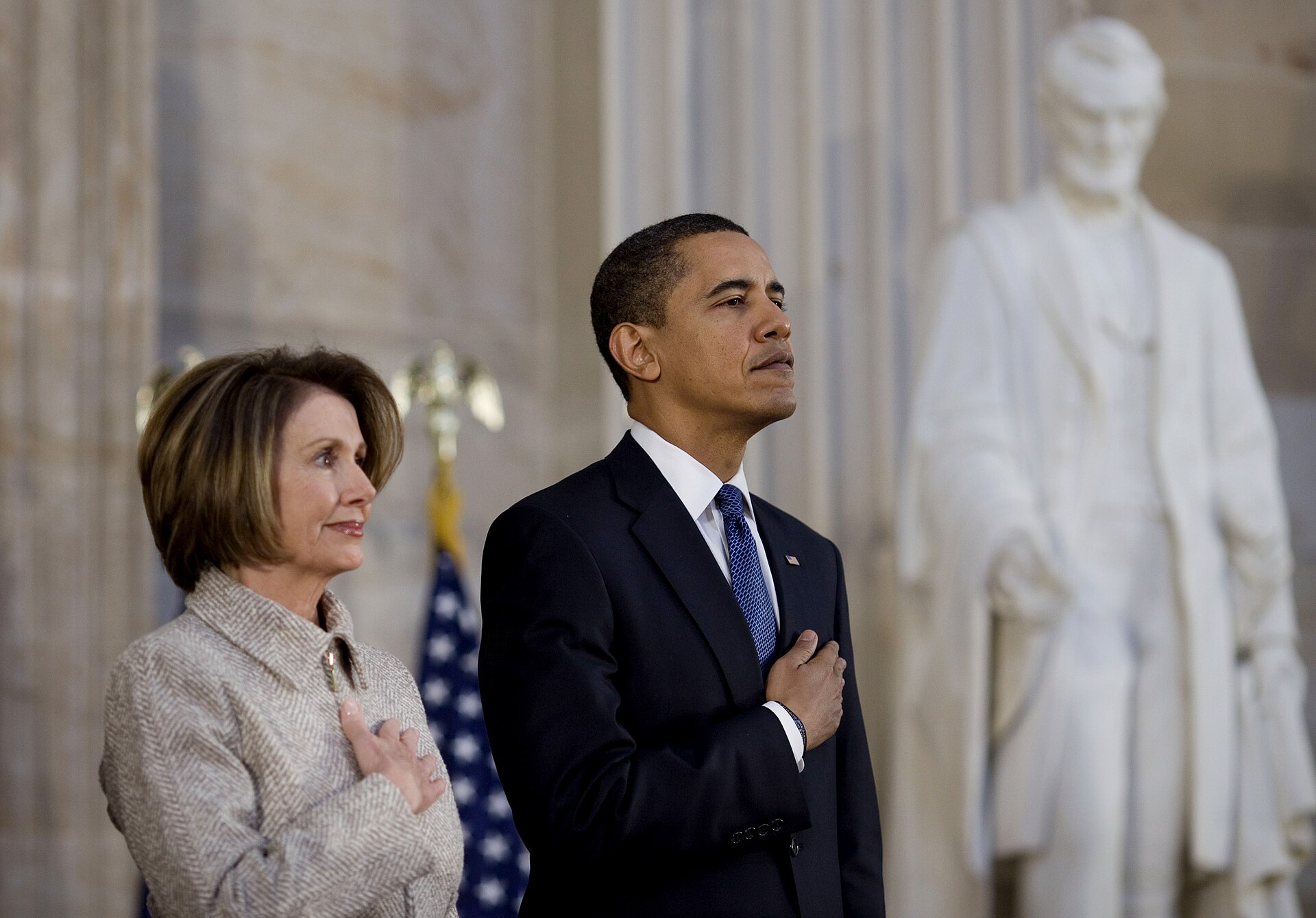
On Sept. 25, 2019, a White House official accidentally distributed a set of talking points meant for Trump allies to offices including that of House Speaker Nancy Pelosi and other Democratic lawmakers, according to reporting by The New York Times.
The material laid out arguments meant to counter what the White House described as Democratic “myths” about Trump’s July call with Zelensky. After the error, officials attempted to recall the email.
In the ordinary churn of political communications, a mistaken recipient list can be embarrassing. In this case, the recipients were the very lawmakers pursuing an investigation into the president, turning a routine administrative error into a public spectacle.
The Ukraine call was central
The talking points addressed Trump’s July 25, 2019, conversation with Zelensky. A whistleblower complaint had raised concerns that Trump sought political help from Ukraine while military assistance to the country was being withheld.
Trump and his allies denied wrongdoing and argued that the call did not show an improper quid pro quo. The White House later released a memorandum of the conversation, which intensified rather than ended the dispute over whether Trump had pressed Zelensky to investigate a political rival.
On Sept. 24, 2019, Pelosi announced that the House would begin a formal impeachment inquiry. That announcement came before the incorrectly routed email the following day.
This sequence is more than a technicality. It separates two connected developments: the underlying allegations involving Ukraine prompted the inquiry, while the talking-points email revealed the White House’s messaging response after the fight was already fully public.
Why the recall became news
The attempted recall gave Democrats a direct look at language designed for the president’s defenders. Representative Bill Pascrell Jr., a New Jersey Democrat who received the material, published screenshots and called the points “Orwellian lies and toxic trash.”
Representative Brendan Boyle, a Pennsylvania Democrat, said his office received the message as well. He said he would not use the White House’s “spin” and would instead stick with what he called the truth.
Those reactions reflected the intense distrust already defining the inquiry. To Democrats, the email reinforced their view that the White House was trying to manage damaging facts through coordinated political messaging. To Trump’s defenders, messaging guidance itself was not evidence of misconduct; administrations routinely circulate arguments for allies to make in public.
The embarrassing part was not that a White House produced talking points. It was that the points reached opponents who could publish them, criticize them and use the recall as evidence of a White House caught flat-footed.
Impeachment and messaging were separate
The episode is often remembered as part of the early impeachment drama, but it should not be treated as the event that caused the inquiry. The inquiry was driven by allegations surrounding Trump’s dealings with Ukraine and the whistleblower complaint, not by the distribution error.
Still, the email mattered politically. Impeachment is not only a legal and constitutional process; it is also a public contest over facts, credibility and interpretation. The White House’s internal defense strategy became visible at precisely the moment Congress was deciding how aggressively to investigate.
That visibility made the message useful to Democrats, even if it did not establish the underlying allegations. It showed a White House preparing concise rebuttals and attempting to frame the controversy before hearings and evidence-gathering had run their course.
Critics could point to the language as overly dismissive of serious claims. Supporters could argue that a president under investigation is entitled to a vigorous defense. Both positions can coexist with the narrower, verifiable fact: an intended defense memo went to the wrong political audience.
What the House ultimately did
The House later impeached Trump in December 2019 on charges of abuse of power and obstruction of Congress. The abuse-of-power article centered on the Ukraine matter, including allegations that Trump sought foreign interference in the 2020 election while withholding official acts.
The Senate acquitted Trump in February 2020. The outcome underscored the partisan divide that had shaped the case from the start, with Republicans largely rejecting the House’s allegations and Democrats arguing the conduct met the constitutional standard for removal.
House Intelligence Committee materials from the inquiry documented broader concerns about contacts, decisions and communications involving Ukraine. The accidental talking-points email was not the core evidentiary basis of impeachment, but it became one of the most vivid early images of the administration’s political response.
The lasting lesson of one email
The White House email’s resonance came from timing and optics. An administration facing an escalating constitutional crisis accidentally handed its opponents a ready-made account of how it wanted the controversy discussed, then tried to pull it back.
It also shows why viral political claims need a chronology check. Saying the message “triggered calls for impeachment” captures the outrage around it, but risks obscuring that House leaders had already launched the formal inquiry. The email amplified a fight that was underway; it did not create the Ukraine scandal or the impeachment process.
For readers revisiting the episode, that distinction is the key takeaway. The recalled email was a revealing communications blunder during Trump’s first impeachment, while the consequential questions remained the ones Congress investigated: what the president asked of Ukraine, what was withheld, and whether those actions warranted impeachment.
Leave a Reply