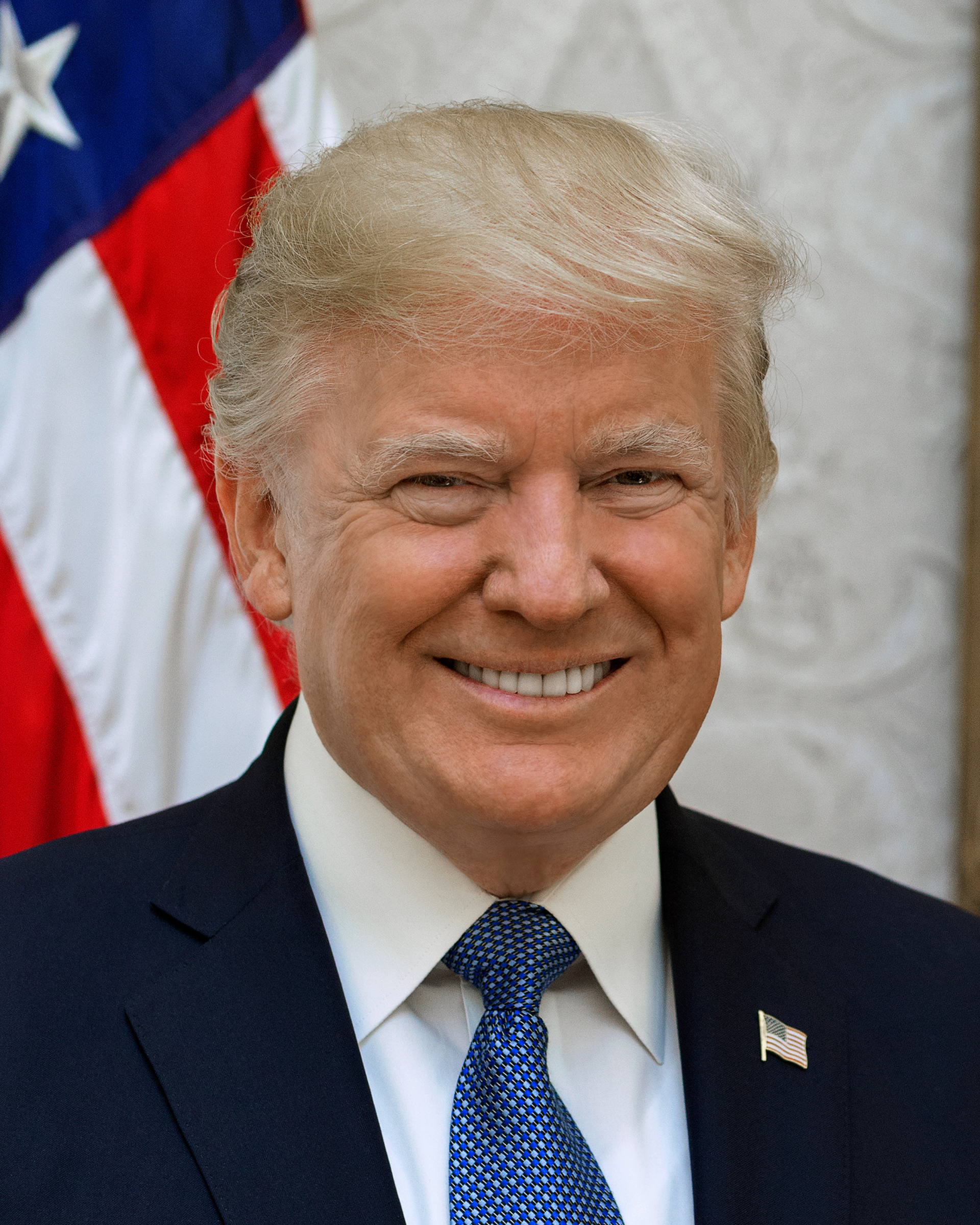
Trump’s images with iconic former presidents were part of a larger Truth Social posting spree. Their power lies less in a literal claim than in the historical comparison the pictures invite viewers to make.
Donald Trump posted AI-generated images of himself with John F. Kennedy and George Washington during a wider Truth Social spree, using pictures that signal a presidential legacy and carry political messaging without spelling out an argument. The posts put Trump beside revered former presidents and invite viewers to consider him in their historical company.
That is what makes the images more consequential than a passing online joke. A synthetic photo can frame Trump as a figure of national scale in seconds, while leaving room for supporters to see satire and critics to see self-promotion or propaganda.
A historical comparison without a speech
According to Forbes, Trump posted 43 images on Truth Social over several hours on a Sunday. Many appeared to be AI-generated caricatures or deepfakes, and the collection included attacks on critics, material concerning Iran and references to a possible 2028 run.
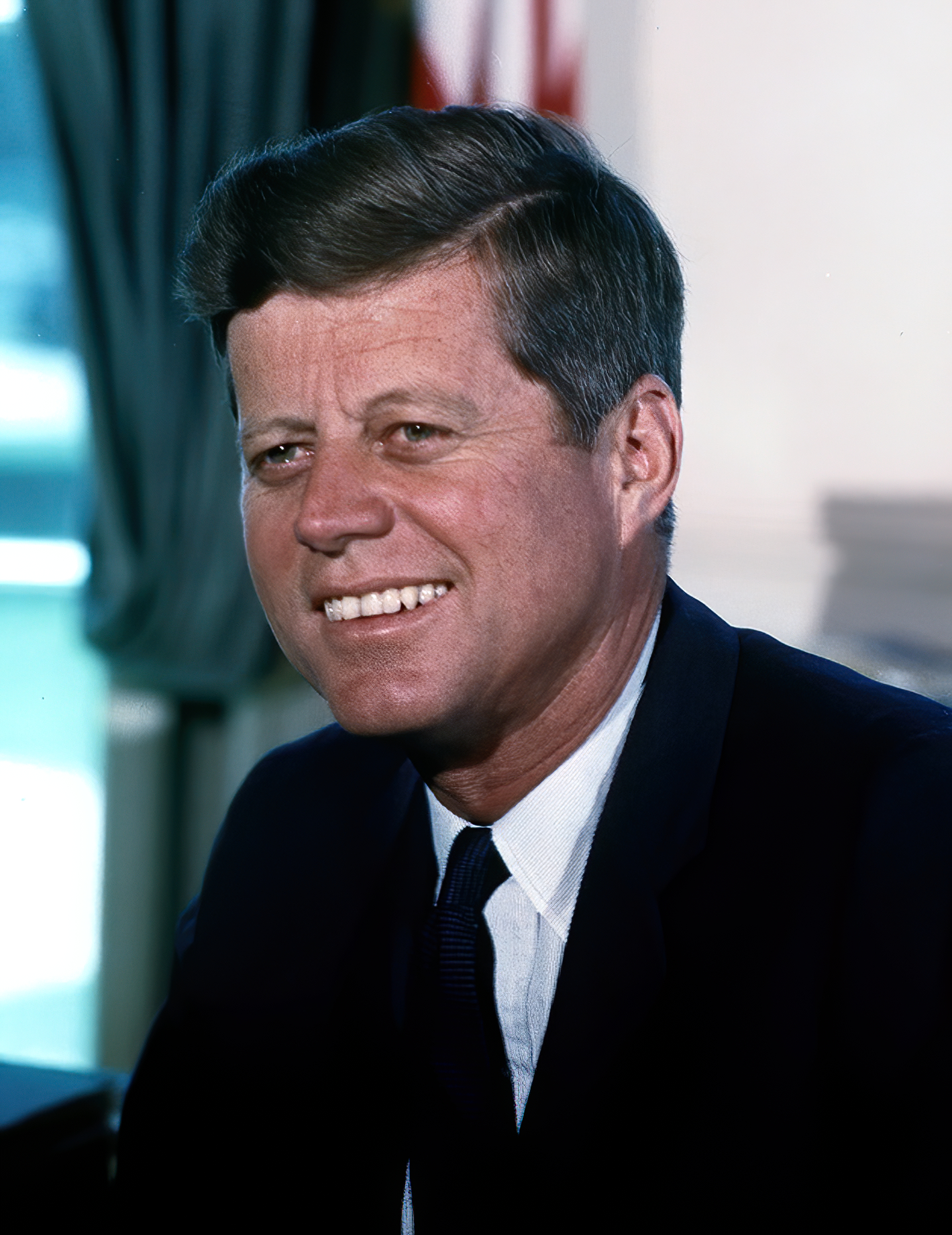
Among that larger stream were several pictures drawing directly on American presidential history. One image labeled “America First” showed Trump flanked by figures appearing to be George Washington, Thomas Jefferson and Alexander Hamilton.
Another placed a present-day Trump beside Kennedy outside the White House. A separate fake movie poster, “Trump X Washington,” depicted Trump saving the first president.
Each image supplies its own comparison. Washington is widely associated with the country’s founding, while Kennedy evokes youthful leadership, glamour and a lost period of presidential confidence. The posts do not need to state that Trump belongs alongside them; the visual arrangement asks audiences to make that connection themselves.
Why the AI format matters
Presidents and political leaders have long relied on carefully staged photographs, patriotic settings and references to national history. Generative AI changes the speed and cost of that familiar exercise by making elaborate, impossible scenes easy to create and circulate.
A conventional photograph could not show Trump with Kennedy, who was assassinated in 1963, or present him as Washington’s rescuer. AI allows both scenes to appear in a shareable format built for quick emotional impact rather than detailed explanation.
It also gives the message useful ambiguity. Supporters can reasonably regard the posts as a meme, a playful tribute or an obvious piece of visual satire. Critics can regard the same images as self-aggrandizement or political propaganda.
That disagreement is not incidental to their effect. An image can attract attention across ideological lines while avoiding the specific language, evidence or accountability that would accompany a conventional political claim. When a president shares the image, however, the act of posting gives it public and political weight even without a policy announcement.
“America First” supplies the frame
The historical imagery works alongside a phrase central to Trump’s political movement. The “America First” label in the image with Washington, Jefferson and Hamilton links familiar founding-era symbols to a slogan and worldview already associated with Trump.
For supporters, the combination may reinforce a view of Trump as an outsider who returned power to voters and confronted institutions they distrust. Under that reading, the historical images are celebratory shorthand for strength, disruption and national restoration.
Opponents can read the same material differently: as an effort to place Trump above present-day criticism by surrounding him with revered national symbols. The split response helps explain why the images travel. They can energize allies, anger detractors and generate further attention through reposts, commentary and news coverage.
The core claim is about scale. Trump is presented not simply as a contemporary officeholder addressing current disputes, but as a leader who should be considered among the country’s most recognizable presidents.
The wider posting spree adds context
The Kennedy and Washington posts did not appear in isolation. Forbes reported that Trump also shared AI-generated content mocking journalists, entertainers and other critics, as well as images that appeared to threaten Iran.
He also posted material reviving the idea of a 2028 presidential run. That suggestion faces a constitutional limit: the Twenty-Second Amendment says no person may be elected president more than twice, and Trump has already been elected twice.
An AI image cannot change that restriction. It can, however, keep an idea visible, provoke a reaction and test how audiences respond to it.
Viewed together, the batch illustrates several uses for synthetic political imagery: ridicule, grievance, fantasy, threat and self-promotion. The pictures with Kennedy and Washington represent the prestige-building version of that larger approach.
Satire, persuasion and missing labels
There is a legitimate free-expression case for seeing political AI images as a modern form of editorial cartooning. Political figures have always exaggerated their accomplishments, mocked opponents and borrowed historical symbols for effect.
At the same time, repeated synthetic images create a broader concern, particularly when they are distributed by the president. Dramatic visuals can move through online spaces faster than viewers can determine whether they are authentic, fictional, humorous or intended as factual depictions.
The central issue is not that viewers will literally conclude Trump stood beside Kennedy or rescued Washington. It is that repeated imagery can make a larger emotional proposition feel familiar before it receives much scrutiny: that Trump belongs in the same historical category as the nation’s most memorable leaders.
Trump did not provide context in the Kennedy post described by Forbes. It remains unclear who creates each image, what role staff may have in selecting them and whether future posts will be labeled as synthetic content.
What the images ultimately claim
AI-generated political images are quick to make, inexpensive to distribute and designed to be noticed before they are debated. Those qualities suit the incentives of social media, where a striking frame can do the work of a longer political message.
Trump’s posts with Kennedy and Washington therefore function as more than decorative internet content. They offer a compressed argument about legacy, strength and status, using the authority of presidential history while leaving the audience to debate the meaning.
Whether viewed as obvious satire or calculated political branding, the images show how generative AI can turn an implied comparison into a powerful public message—without requiring the person who posts it to make that comparison outright.
Leave a Reply