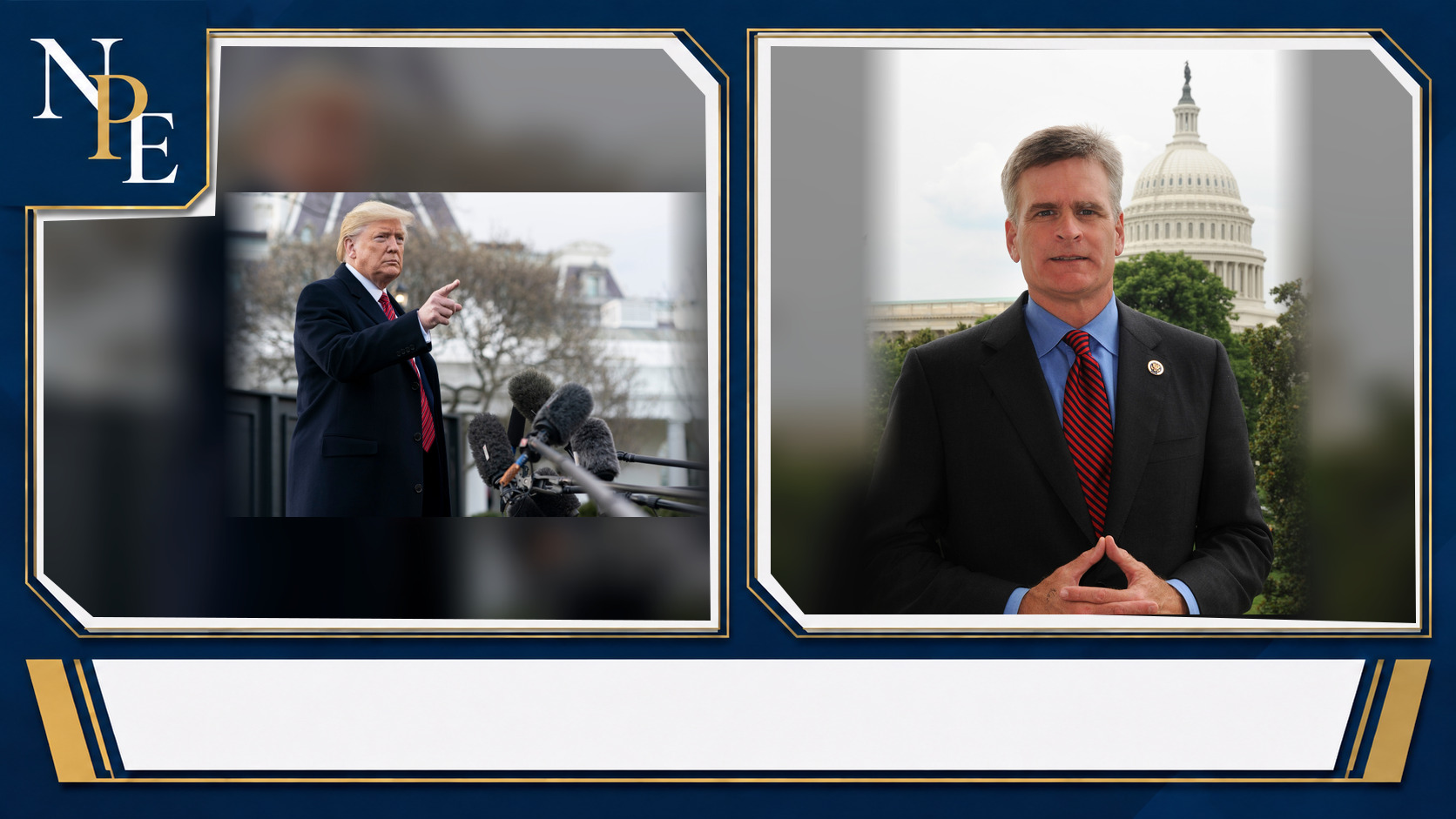
Cassidy’s vote changed after a White House briefing, helping halt a separate war powers measure. The episode still exposed a Republican split over how much information Congress should receive about the Iran military campaign.
Donald Trump clashed with Sen. Bill Cassidy of Louisiana over an Iran war powers vote, exposing Republican tensions over whether Congress should press the administration for more oversight of the military campaign. Cassidy later changed his position on a separate Senate measure after a White House briefing, easing the immediate standoff without resolving the broader dispute.
The confrontation put a personal face on a consequential institutional question: whether Republican senators can support Trump while demanding clearer answers about the purpose, length and objectives of U.S. action involving Iran.
A private confrontation at the Capitol
The exchange took place during a closed-door Republican luncheon at the Capitol, after senators considered a war powers resolution aimed at challenging or restricting the administration’s military actions involving Iran.
Associated Press reporting said Trump berated Republican senators who had opposed him and had particularly harsh words for Cassidy. Cassidy was one of four Republicans who voted with Democrats on the earlier measure.
A person familiar with the private meeting told AP that Trump repeatedly told Cassidy to sit down and called him a “lunatic.” Afterward, Trump publicly characterized the gathering differently, calling it “a really great meeting.”
“We like everyone in the room,” Trump told reporters. “I don’t like a few people, but that’s OK.”
Cassidy wanted answers before backing down
Cassidy’s position centered on information about the Iran campaign, rather than solely on a disagreement with Trump. He said he wanted a fuller explanation of the operation’s goals and expected duration before abandoning the war powers effort.
According to AP, Cassidy told reporters that he had told Trump: “You have not told the American people what’s going on.” He said an operation expected to last four weeks had continued for four months and that its original objectives had not been achieved.
Cassidy said he matched Trump’s tone and volume during their exchange before attempting to lower the temperature. He also said he did not want to be bullied and would keep supporting war powers action until receiving a briefing.
That distinction matters. The conflict was about more than party discipline or one Senate vote; it was also about whether lawmakers should defer to the White House during an extended military operation without a more detailed public and congressional accounting.
A briefing changed the next vote
Hours after the confrontation, AP reported, Cassidy met at the White House with Vice President JD Vance and special envoy Steve Witkoff for a personal briefing. Cassidy then returned to the Capitol and voted against a separate war powers resolution.
That later measure failed, 47-50-1. Cassidy thanked Vance and Witkoff afterward and said the briefing had addressed many of his concerns.
Sen. Rand Paul of Kentucky, another Republican who had repeatedly voted with Democrats to halt the war, voted present. Paul said on X that he wanted to give the president more room and leverage to negotiate peace.
The sequence showed that a vote billed as a test of Trump’s control of Senate Republicans also turned on senators’ access to administration officials and details about the mission. Senate Majority Leader John Thune and a small group of Republican senators called Trump after the vote; Thune said the president was pleased with the result.
Two views of presidential authority
The episode reflected competing views inside the Republican Party. Trump’s position emphasizes presidential flexibility and party unity during an overseas conflict, with the argument that public dissent from members of his own party can weaken U.S. leverage.
Lawmakers backing war powers action have raised a different concern: Congress has a constitutional role when a military mission expands or lasts longer than originally expected. In that view, a private briefing can answer immediate questions without settling whether the administration has provided sufficient explanation to Congress and the public.
Supporters of Trump’s approach can point to the later failed resolution as evidence that direct engagement with senators can resolve concerns. Critics can point to Cassidy’s initial objection as evidence that the administration’s communication had fallen short before the confrontation.
Neither argument is simply about Senate procedure. The dispute reaches military authority, transparency and the degree of independence Republican senators are prepared to exercise when they disagree with the president.
Domestic frustrations added pressure
The luncheon occurred while Trump and Republican senators were also dealing with a separate dispute over domestic legislation. AP reported that Trump reversed course on a housing bill that had passed Congress with overwhelming bipartisan support.
Trump said he would not sign the bill until lawmakers sent legislation requiring proof of citizenship for all voters. Sen. Thom Tillis of North Carolina said he did not understand why the housing bill was being held “hostage” to a voting bill he said would not pass in the current Congress.
That backdrop added to the pressure surrounding the Iran fight. Republican lawmakers were balancing foreign-policy divisions, an unsettled legislative agenda and a presidential expectation that public dissent be limited.
The underlying conflict remains open
Available reporting confirms a sharp Trump-Cassidy confrontation and Cassidy’s subsequent vote change following a White House briefing. It does not independently establish more colorful claims that Trump called Cassidy a “fake Republican,” criticized a “bad attitude,” or faced a specific threat of humiliation.
It is also unclear whether the briefing resolved Cassidy’s longer-term concerns about the mission or only persuaded him to oppose one procedural measure. A changed vote lowered the immediate political temperature, but it did not answer the continuing questions about the campaign’s strategy, duration or congressional authority.
For Trump, the immediate objective was preventing a visible Republican coalition from limiting his latitude on Iran. For Cassidy and other senators pressing for answers, the test is whether loyalty to the president can coexist with a demand for accountability from the administration.
Leave a Reply