Federal and state responders are focused on exposed industrial controls, while attribution remains unsettled and Minnesota says more than 30 systems were targeted.
Some U.S. water utilities shifted to manual operations after hackers targeted systems in several states in a coordinated cyberattack, according to officials cited in reports on the incident. Some utilities also issued boil-water notices while CISA, the FBI and the EPA worked with state and local responders.
Officials have said no contamination has been reported. The immediate concern has been whether compromised digital controls could interfere with pressure, chemical dosing, alarms or other operations that keep drinking-water systems stable.
Utilities focused first on keeping water moving
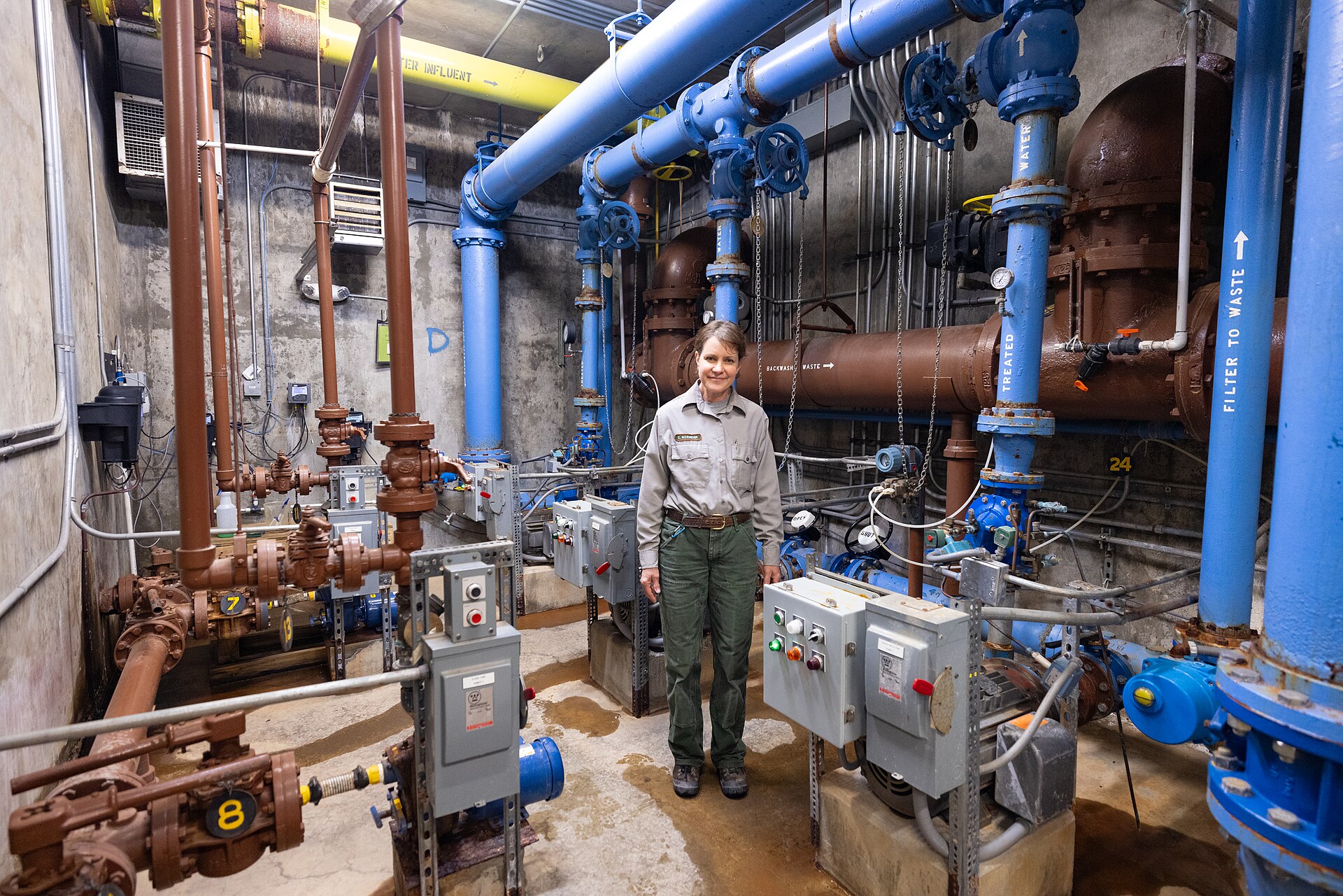
Moving a water system into manual mode can reduce exposure when digital equipment is considered vulnerable. It also means workers must monitor and operate equipment directly while investigators and technical teams assess what happened.
That response can be disruptive even when water remains available. Small utilities often rely on remote tools because they have limited staff and may need to manage equipment across more than one site.
Boil-water notices can be used as a precaution when pressure or system integrity is in question. Officials have not reported confirmed contamination, but pressure problems can create conditions utilities are designed to prevent.
Minnesota gave investigators an early map
Minnesota IT Services said a coordinated cyberattack targeted operational technology at more than 30 Minnesota community water systems on July 26 and 27. State officials activated cybersecurity response capabilities and worked with federal, state, local, Tribal and private-sector partners.
A memo distributed by the Minnesota Bureau of Criminal Apprehension said the likely desired impact was loss of system pressure and possible contamination of the water supply. That described a feared effect, not a confirmed contamination event.
Wisconsin officials also detected malicious cyber activity at water facilities and urged utilities to move quickly to prevent potentially serious effects, according to a state Department of Natural Resources memo cited in reports.
Multiple sources familiar with the investigation told CNN that roughly six states had reported related cyber incidents over the previous week. Federal officials have not publicly released a full state-by-state list or a final technical timeline.
Exposed PLCs turned convenience into risk
The reported intrusions appear to involve programmable logic controllers, or PLCs, which help machinery communicate in water plants and other industrial environments.
In a water system, PLCs can support functions such as pressure monitoring, chemical dosing and other operations. If that equipment is reachable from the public internet and protected poorly, attackers may find a route into systems that control real-world equipment.
Officials and analysts have described attackers searching for internet-connected PLCs with weak protections. The concern is less about a novel cyber tool than about exposed devices that should be isolated or more tightly controlled.
John Israel, Minnesota’s chief information security officer, told CNN that attackers would likely keep probing infrastructure nationwide for weak configurations. Joshua Corman, an industrial cybersecurity expert and co-founder of I Am The Cavalry, told CNN that remote access has helped water systems but has also benefited people who wish harm.
Federal agencies pushed immediate containment
CISA, the FBI and the EPA are working with state officials and utilities to contain the incident, share technical information and help prevent more disruption. CISA said in a Thursday advisory that hackers were targeting water entities of all sizes and urged facilities to take vulnerable industrial equipment offline.
For utilities, the response centers on familiar defensive steps:
- Find industrial devices that can be reached from the public internet.
- Disconnect or restrict access to vulnerable PLCs and related equipment.
- Use strong authentication and remove default passwords.
- Watch for unusual pressure, dosing or system-control changes.
- Prepare manual operating plans before a cyber incident forces the change.
CISA and EPA maintain cybersecurity resources for water and wastewater systems because those services support public health, local economies and other critical infrastructure.
Attribution remains unresolved
U.S. and state officials are treating Iran as one possible suspect, according to reports, but they have not announced a formal determination. Investigators are also watching for false flags, where attackers try to make activity appear to come from someone else.
Iran-linked hackers have previously targeted U.S. water and industrial systems, including incidents that disrupted water and oil-and-gas sites, according to prior reporting. That history makes Iran a line of inquiry, not a proven answer.
According to reporting cited in the source brief, President Donald Trump said at a cabinet meeting Friday that he doubted Iran was involved and criticized Minnesota authorities. His remarks came as federal cybersecurity agencies were still treating responsibility as unsettled.
The open questions remain substantial: officials have not named a responsible actor, released a complete list of affected states or confirmed whether every reported incident involved the same group or method. What is clear is that, even without reported contamination, a cyber campaign against water utilities can force manual operations, boil-water notices and a broad federal response.
Leave a Reply