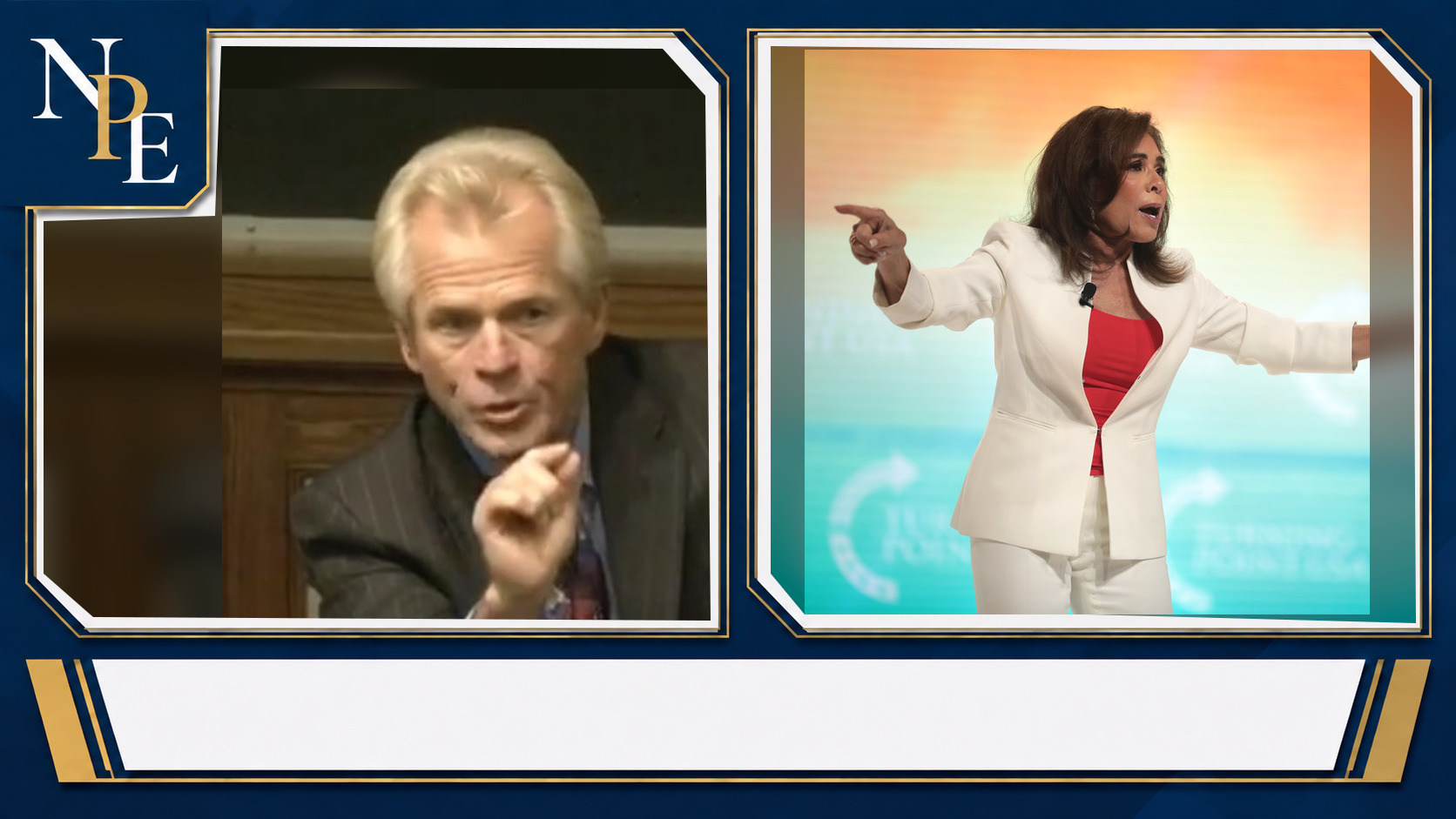
The public record confirms Navarro’s demand and the scrutiny around Pirro, but leaves key details unresolved. The dispute has become a test of how political pressure and evidence-based charging decisions are perceived in Washington.
Peter Navarro demanded that a prosecutor be removed, while Jeanine Pirro is facing scrutiny over her leadership of the U.S. Attorney’s Office for the District of Columbia in Washington, D.C. The dispute has renewed attention on Pirro’s handling of a politically sensitive case involving alleged vandalism at the Reflecting Pool.
What is established publicly is narrow: Navarro made the removal demand, and Pirro has drawn criticism amid the fallout. What remains unclear is equally significant, including which prosecutor Navarro meant, why he sought that person’s removal and whether anyone in the Justice Department acted on the request.
A demand without a public outcome
Navarro’s call has added a fresh political flashpoint around Pirro, whose office prosecutes federal cases in the nation’s capital. But a demand from a prominent political figure is not itself a personnel decision.
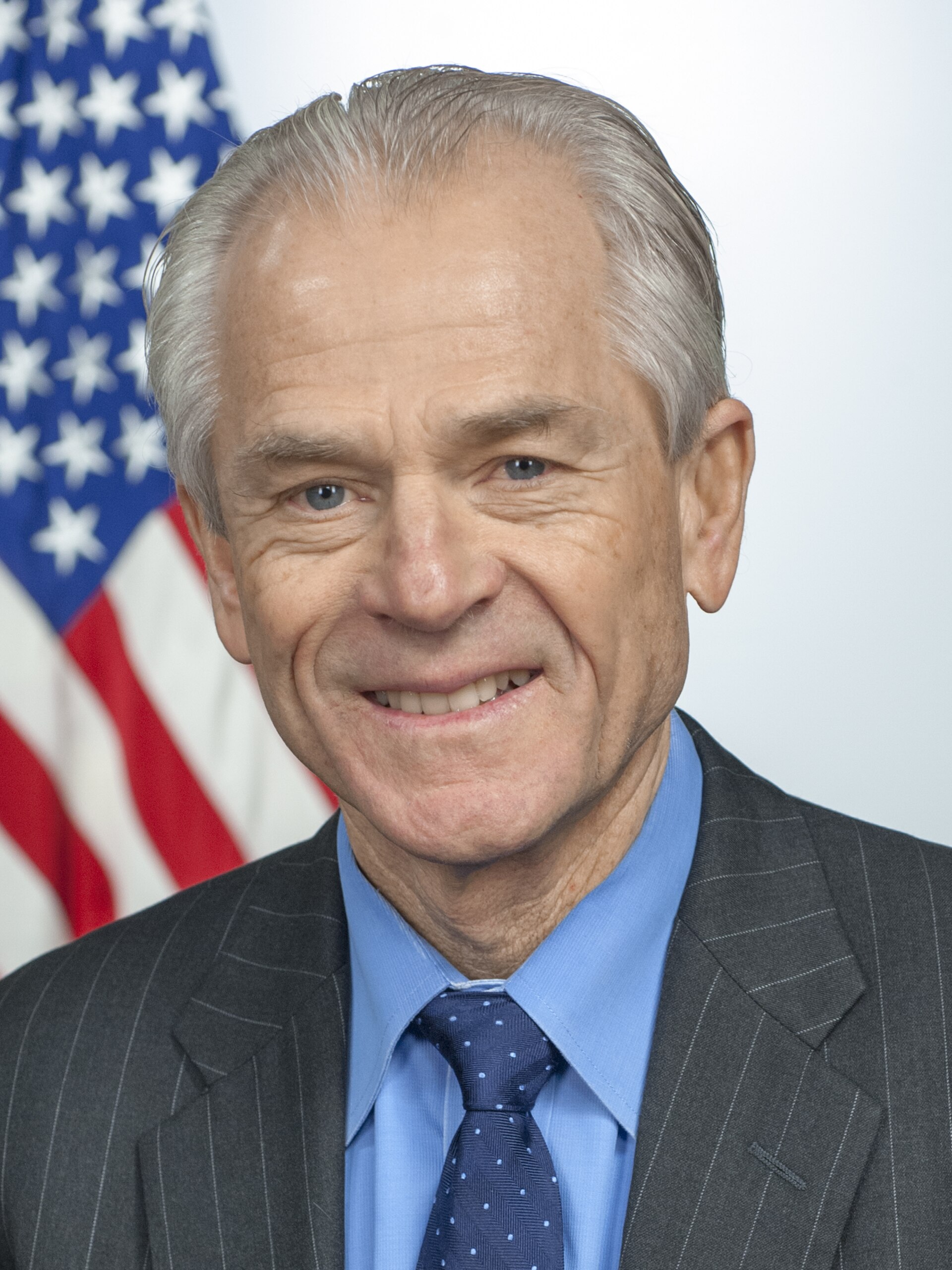
The available public reporting does not show that the unidentified prosecutor was removed, disciplined or formally investigated. It also does not provide a full explanation of Navarro’s rationale.
Those missing details matter because the political message and an official Justice Department action are different things. A public call for removal can intensify pressure and shape perceptions of a case without showing that prosecutors acted improperly or that department leaders found grounds to intervene.
The limited record also does not establish whether Navarro’s request was directly tied to the Reflecting Pool matter, whether Pirro addressed it, or whether the prosecutor remains assigned to relevant work.
The dropped Reflecting Pool charge
The controversy is unfolding after a case involving alleged vandalism at the Reflecting Pool in Washington. CNN reported that President Donald Trump criticized Pirro’s handling of the matter, saying she had “choked” over the case.
Politico reported that the case was dropped after prosecutors disclosed they did not have evidence to support the felony charge brought against a man. That development placed the office’s charging judgment under a sharper spotlight.
Former federal prosecutor Randall Eliason told Politico that he believed there was never enough evidence to prove vandalism and that the prosecution would have struggled in court. His view is a pointed critique of the case, but it is not a court finding that Pirro or her office committed misconduct.
Cases can falter for many reasons, including new evidence, weak facts at the outset, witness difficulties, legal disputes or a conclusion that the government cannot prove a charge beyond a reasonable doubt. The available reporting does not identify who made each decision in this case, what internal review occurred or what communications may have taken place with other Justice Department officials.
Pirro’s record is part of the debate
Pirro is the Senate-confirmed U.S. attorney for the District of Columbia, according to the Justice Department. The department says she began serving as interim U.S. attorney in May 2025 and was confirmed in August 2025.
Her office has resisted the idea that one failed high-profile prosecution should define its broader work. Politico reported that the office cited its own statistics showing more cases filed in Superior Court, fewer arrests abandoned than under the prior administration and more than 7,000 convictions since Pirro arrived.
Those figures provide one indicator of the office’s volume and outcomes. They do not, by themselves, settle the question of whether a particular felony charge was adequately supported by evidence.
The reverse is also true: the collapse of one case does not establish a wider pattern across an office that handles a large number of matters. A spokesperson for Pirro declined to comment to Politico on the criticism described in its report, while the office pointed to its statistics.
Independence is the central tension
The clash surrounding Navarro and Pirro reaches beyond one prosecution. It highlights an enduring tension within the Justice Department: prosecutors are appointed by political leaders, but charging decisions are expected to turn on law and evidence rather than political messaging.
Supporters of more aggressive enforcement in Washington may view the episode as an argument for tougher action against conduct they see as threatening public order or federal property. From that perspective, seeking a prosecutor’s removal can be portrayed as a demand for accountability after a failed response.
Critics see a different danger. They argue that overt pressure from politically connected figures can create the appearance that prosecutors are expected to bring symbolic cases before the evidence is ready, potentially weakening confidence in their independence.
Neither interpretation resolves the particular dispute around Navarro’s demand. Without a detailed public account of the prosecutor’s role, the conduct Navarro cited or any official review, the facts behind the personnel request remain far thinner than the political argument surrounding it.
Key questions remain unanswered
The central unknown is the prosecutor Navarro wants removed. Publicly available material does not identify that person or explain what alleged conduct prompted the demand.
It is also unknown whether Navarro made a formal request to Justice Department leadership, whether officials evaluated it or whether any action followed. The available record does not clarify whether the dispute directly concerns the Reflecting Pool prosecution.
For Pirro, the episode adds scrutiny to one of the country’s most visible U.S. attorney’s offices. Her office must handle routine violent-crime and federal cases while navigating unusually intense political and media attention.
The immediate takeaway is not that the removal demand proves wrongdoing, or that the office’s broader numbers erase concerns raised by the Reflecting Pool case. It is that a politically charged demand, a dropped felony case and incomplete public information have combined to make prosecutorial independence the larger issue.
Leave a Reply