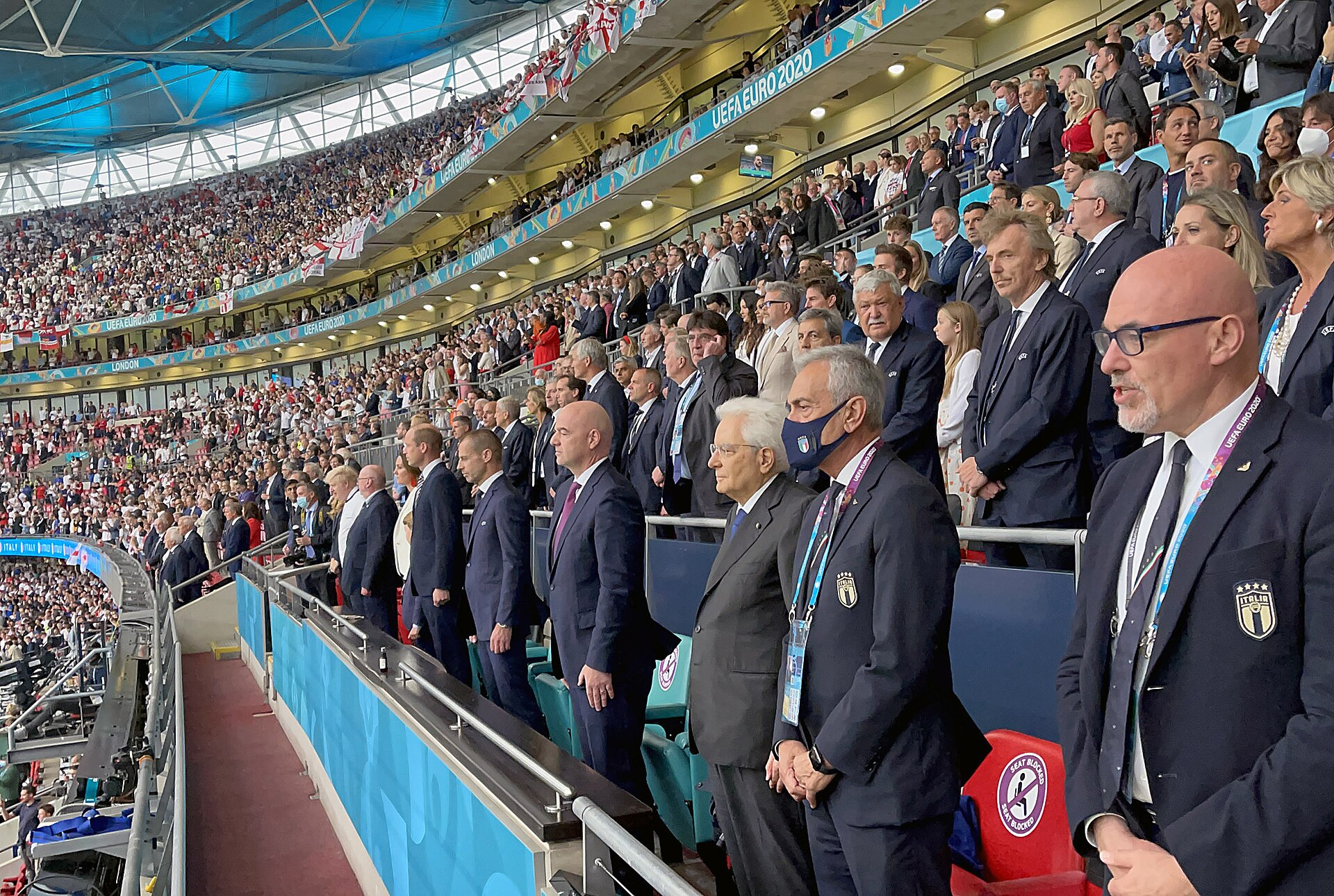
The immediate battle is over records: The Athletic says UEFA’s lawyers told FIFA, Gianni Infantino and Joshua Kushner to preserve materials tied to the proposal.
UEFA’s reported legal threat against FIFA has moved the failed tournament investment plan into a new phase: document preservation. According to The Athletic and ESPN reports, European football’s governing body has warned Gianni Infantino and FIFA of possible legal action over a proposal to sell a stake in a new business connected to major FIFA competitions.
The plan is no longer proceeding, Reuters reported, after resistance from football bodies. But the argument over how it was developed, valued and presented is still alive.
The records demand comes first
According to The Athletic, a law firm acting for UEFA sent letters connected to the abandoned proposal, including a six-page letter addressed to FIFA president Gianni Infantino.

The letter reportedly put FIFA and Infantino on notice that UEFA is considering legal action, arbitration and regulatory complaints. UEFA’s lawyers also asked that documents and electronically stored information related to the plan be preserved.
The Athletic reported that the preservation demand covered materials tied to the “conception, design, structure, governance, valuation, and implementation” of the proposal. It also sought records such as board papers, financial models, pitch materials, legal opinions, term sheets and investor communications.
The letter reportedly warned that destruction or deletion of relevant material could raise spoliation issues. In practical terms, UEFA appears to be trying to secure the paper trail before deciding whether to pursue a formal case.
What FIFA had been trying to build
The proposed structure, reported by Reuters and The Athletic, would have created a new FIFA-controlled entity to run major events, including World Cups and Club World Cups.
Reuters reported that FIFA had planned to sell a 20% stake in the new unit before saying it would not proceed after the project created “divisions.” The Athletic reported that the proposed vehicle was called FIFA Forward Enterprises.
The Athletic also reported that the intended investment group was led by Thrive Eternal, a U.S. investment fund run by Joshua Kushner. The same report said the proposed fifth stake was valued at $4.2 billion.
That number is central to the governance fight. A valuation of that scale sharpened questions over what rights, revenue streams and control mechanisms would have sat inside the proposed entity.
Why the opposition escalated
The dispute was not only about whether private money should enter football. It was also about who had authority over the commercial future of FIFA’s most important competitions.
The Athletic reported that UEFA met to discuss the plans and said all 55 European members would boycott FIFA competitions unless the proposal was abandoned. It also reported that Concacaf and the Asian Football Confederation rejected the plans.
That turned the proposal into a broader test of FIFA governance rather than a simple investment negotiation. If major confederations believed they had not been properly consulted, the commercial structure became a political problem as well.
Football bodies routinely sell sponsorships, broadcast rights and licensing packages. Selling an equity stake in a business tied to flagship tournaments is different because it can raise questions about influence, information rights, future profits and long-term obligations.
The investor question around Joshua Kushner
The Athletic reported that a similar letter was sent to Joshua Kushner, who runs Thrive Eternal. The fund was identified in the reporting as the leader of the investment group FIFA wanted to sell the minority stake to.
Based on the reporting, the investor group would not merely have bought advertising inventory or media rights. It would have owned part of a new entity connected to the running of FIFA’s biggest events.
That distinction helps explain why the backlash arrived so quickly. National teams, federations, players, host countries and supporters all contribute to the value of the World Cup. Opponents of the plan saw risk in allowing private investors into a structure linked to those competitions without broader scrutiny.
Infantino’s leadership faces renewed scrutiny
The reported legal threat also increases pressure on Infantino, whose FIFA presidency has emphasized expansion and revenue growth. Under his leadership, the men’s World Cup has expanded to 48 teams, the Club World Cup has been relaunched in a larger format, and FIFA has looked for new ways to commercialize global competitions.
Those moves have supporters, particularly among members who see larger competitions and higher revenues as a route to broader redistribution. The counterargument is that growth can bring congestion, opaque decision-making and added pressure on players, clubs and confederations.
A private investment plan tied to major tournaments intensified those concerns because it suggested another commercial layer could be built into the calendar and tournament structure.
After FIFA dropped the proposal, UEFA publicly criticized the process, according to The Athletic, accusing Infantino of an opaque deal. The final shape of any legal action remains uncertain.
What could happen next
The reported preservation letters do not mean a formal case has already been filed. They do indicate that UEFA wants records kept intact while it considers legal action, arbitration and regulatory complaints.
Several routes remain possible. UEFA could pursue arbitration if it believes football-governance rules or obligations were breached. It could also seek regulatory scrutiny, or use the document demand to press for more transparency before any similar plan returns.
It is also possible that no formal case follows. A preservation notice can function as leverage by forcing parties to protect records and deterring a revived proposal while the dispute is assessed.
For now, the practical result is narrow but significant: Reuters reported FIFA is not proceeding with the 20% stake plan, and The Athletic reported UEFA has shifted from public resistance to a legal warning focused on records, accountability and control of global football’s biggest competitions.
Leave a Reply