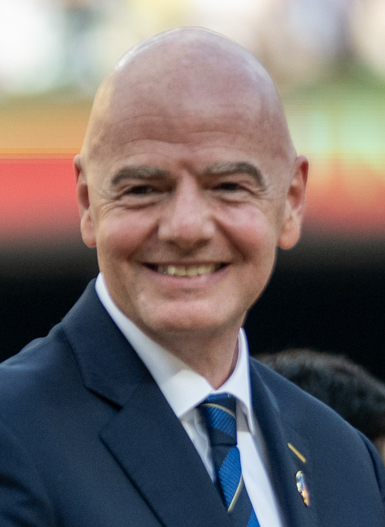
A failed proposal to sell part of FIFA’s events business has turned into a direct test of Gianni Infantino’s authority. The fight now reaches beyond one deal and into who controls football’s biggest tournaments.
UEFA is leading a campaign to force Gianni Infantino to resign as the FIFA crisis and backlash against Infantino intensify over a collapsed plan to bring private investors into FIFA’s biggest competitions. The pressure from UEFA and other football officials matters now because Infantino’s leadership, FIFA’s governance culture and the commercial future of the World Cup are all being challenged at once.
The immediate trigger was FIFA’s abandoned proposal to sell a significant minority stake in a new entity tied to its major tournaments. The deeper issue is trust: UEFA says Infantino and FIFA’s current leadership have lost the confidence of much of the football world.
A failed deal lit the fuse
FIFA’s proposal, according to reporting by The Athletic, would have created a new entity to run major events including the men’s and women’s World Cups and the Club World Cup. FIFA, a non-profit governing body, planned to sell a fifth of that entity to private investors.
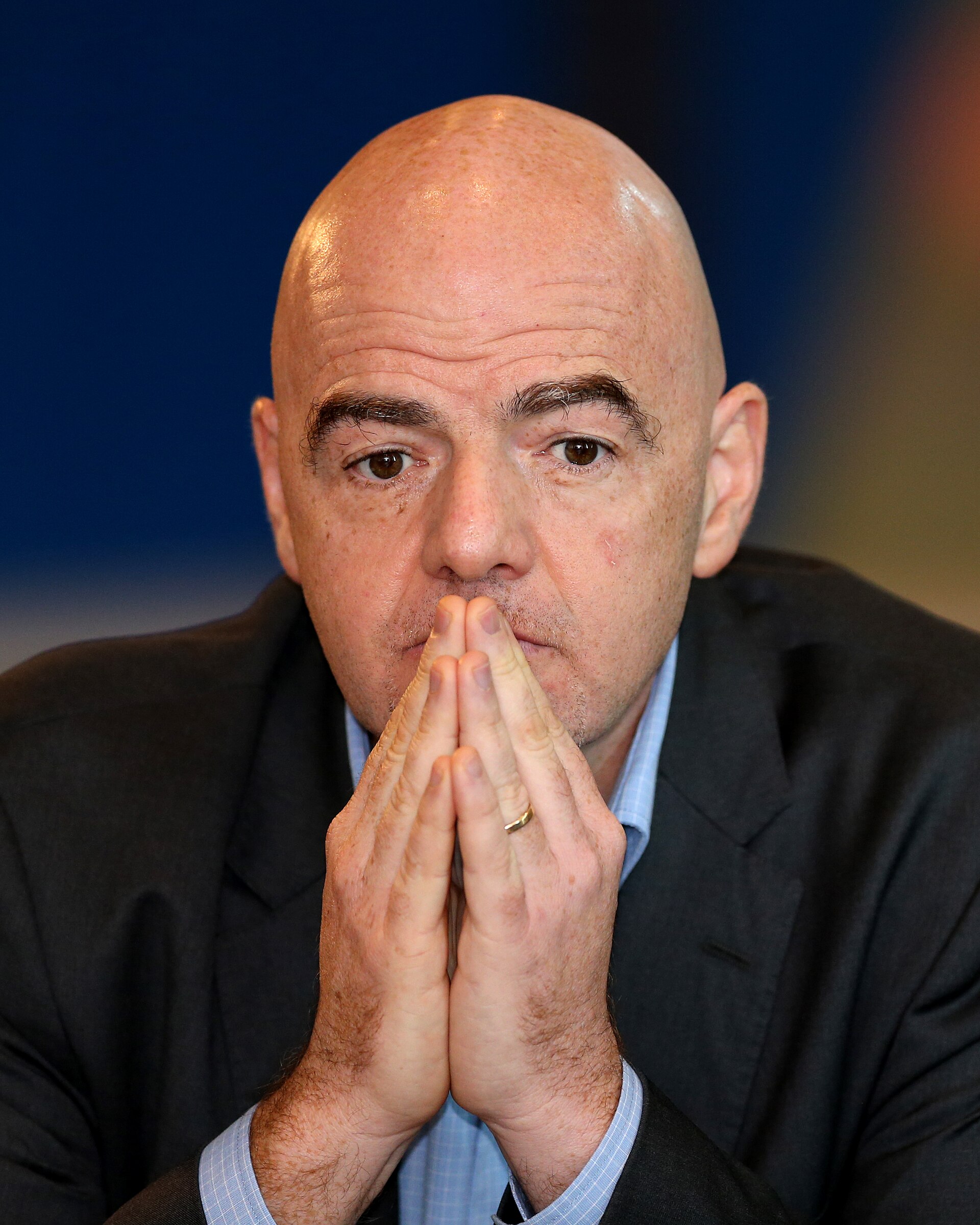
The investor group was led by Thrive Eternal, a U.S. investment fund run by Joshua Kushner. The proposed price was $4.2 billion, or about £3.1 billion.
That kind of figure explains why the plan immediately became about more than process. For critics, it raised a core question: should a private investor own a stake in the competitions that sit at the center of world football’s public identity and commercial power?
FIFA and Infantino backed away from the proposal on Friday after heavy resistance. Infantino said the project had created divisions and was no longer in the interest of its original objective.
UEFA made it personal
UEFA’s response was not limited to opposing the financial structure. It moved the fight directly onto Infantino’s leadership.
In a statement reported by The Athletic, UEFA said it and “other members of the football family” had lost confidence in the FIFA president. It accused him of pursuing a “shabby, back room, opaque” deal and said football could not continue with secret schemes on fast-track timelines.
UEFA also said “no option should be off the table” as it works with its member associations and other confederations to review how the proposal emerged. That language is why the dispute is now being read as a resignation push, not merely a disagreement over one commercial plan.
The European body argued that Infantino had failed to deliver on promises made when he first became FIFA president in 2016, especially around transparency and the use of FIFA resources for football development.
The boycott threat changed leverage
UEFA’s strongest move came before FIFA’s U-turn. After meeting on Thursday, all 55 European member associations said they would boycott FIFA competitions unless the plan was dropped.
That mattered because Europe supplies many of the world’s most powerful national teams, clubs, broadcasters and sponsors. A boycott threat from UEFA is not symbolic noise; it strikes at FIFA’s event model.
The resistance did not stop in Europe. Concacaf and the Asian Football Confederation also rejected the proposal. The Athletic reported that Infantino’s future leadership was questioned during meetings involving UEFA and Concacaf.
Once multiple confederations objected, FIFA faced a choice between forcing through a disputed financial plan or retreating to protect the tournaments themselves. It retreated.
Not everyone has abandoned Infantino
The backlash is serious, but it is not universal. Infantino still has visible support from some national associations.
Qatar’s football association, from the country that hosted the 2022 World Cup, said it fully supports Infantino and his efforts to grow the global game. Morocco’s football federation called the withdrawal of the proposal a wise decision and urged unity.
Those statements matter because FIFA is not run by UEFA alone. The president is elected by FIFA’s member associations, and Infantino has long built political strength by appealing beyond Europe, particularly through promises of expanded competitions and increased development funding.
That is the central tension in this crisis. UEFA sees a governance breakdown. Some Infantino supporters may see an overreach by Europe, or at least a moment when the sport needs compromise rather than an immediate leadership collapse.
National federations sharpen criticism
Several European federations have lined up behind UEFA’s position. The English FA said it supported UEFA and called for a full and robust review of FIFA’s leadership and governance.
Lise Klaveness, president of the Football Association of Norway, said the framework of international football cooperation had been put at unnecessary risk by individual interests rather than the best interests of the game. She also called for a shift away from fear and political positioning toward openness.
The Dutch football association, the KNVB, said the episode created a fundamental breach of trust in Infantino’s leadership. Germany’s federation president Bernd Neuendorf said Infantino had acted arbitrarily, non-transparently and irresponsibly in relation to football’s interests.
Concacaf also criticized the episode, describing it as a symptom of leadership that had stopped putting football first. That is notable because it suggests the revolt is not purely a UEFA power play, even if UEFA is leading it.
The election clock is ticking
Infantino, 56, has been FIFA president since 2016. His current term expires in 2027, and he is due to stand for re-election in March.
That timeline turns the current crisis into an immediate political test. Potential challengers must submit candidacies by November 18, which gives Infantino’s critics only a short window to move from anger to organization.
One name floated in reports was Nasser Al-Khelaifi, the Paris Saint-Germain president and UEFA executive committee member. His spokesperson, however, said he has no ambition, intention or interest in the FIFA role.
That leaves a major unanswered question: if UEFA and allied federations truly want Infantino out, who is prepared to run, and can that person build a coalition beyond Europe?
The trust fight comes next
FIFA has already abandoned the investor proposal, so the immediate commercial threat is gone. UEFA’s argument is that the collapse of the deal should not end the matter.
The next fight is about accountability: who designed the proposal, how far it advanced, who reviewed it and why major football bodies say they were forced to threaten a boycott to stop it.
Infantino’s defense is that he listened, recognized the divisions and pulled the project. His critics say the fact such a proposal got that far is the problem.
The clean takeaway is that FIFA’s crisis has shifted from a rejected investment deal to a referendum on leadership. UEFA has won the first round by forcing the plan off the table. Whether it can force a resignation, or reshape FIFA’s governance before the next election, is still unresolved.
Leave a Reply