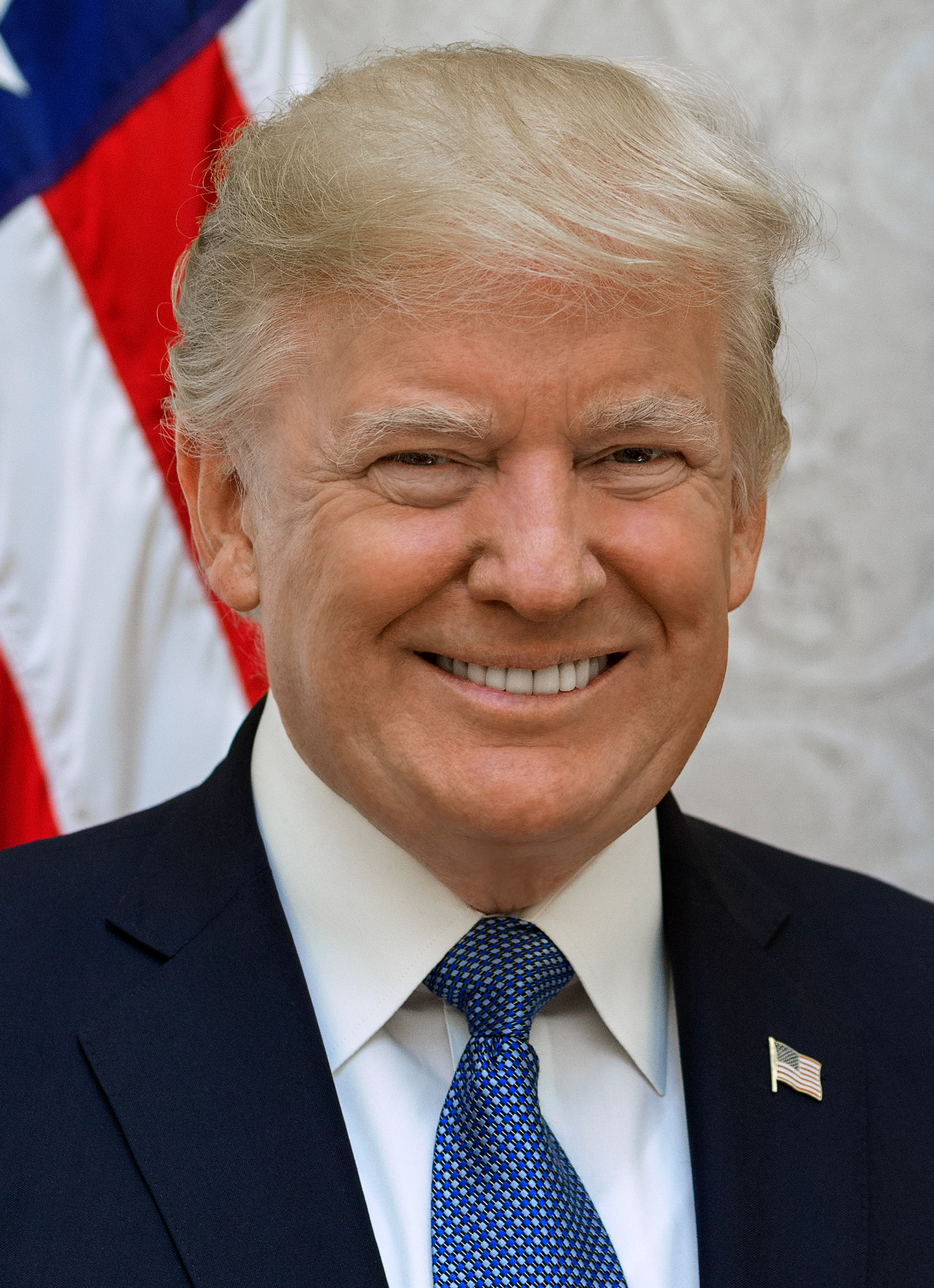
The loudest defections may be anecdotal, but they are landing alongside harder numbers. Trump’s challenge is that public backlash, polling slippage and GOP unease are now feeding the same story.
“Brutal montage shows Donald Trump’s former biggest fans turning on him” is more than a viral politics tease: Donald Trump’s former supporters are turning against him in public, and recent polling shows Trump losing support where he can least afford it.
The fracture inside the MAGA base is colliding with a broader slide among independent voters, giving Democrats fresh material and Republicans a warning sign as the second Trump term grinds through backlash over the budget, foreign policy and the Jeffrey Epstein files.
A viral clip meets hard numbers
The montage circulating through HuffPost and MSN-style feeds works because it compresses a familiar political drama into a fast, emotional format: people who once backed Trump now sounding disappointed, angry or done with him.

That kind of video does not, by itself, prove a mass revolt. Viral politics often rewards the sharpest about-face and the most dramatic quote. But the reason this one is resonating is that it matches a measurable problem showing up in polling.
Time reported that Trump’s Gallup approval rating has fallen to 37% among U.S. adults, described as a new low for his second term. The sharper warning sign is among independents, where his overall approval dropped to 29%, down from 46% when he took office six months earlier.
That is the space where elections are often won or lost. Trump can survive defections that are loud but numerically small. He has a bigger problem if disillusioned former fans are reinforcing a broader move away from him among voters who are not locked into either party.
Independents are flashing red
Gallup’s issue-by-issue numbers help explain why the backlash has room to grow. According to Time’s summary of the poll, independents gave Trump especially weak marks on the federal budget, where just 19% approved of his handling of the issue.
They were also cool on foreign affairs. Independent approval stood at 24% on Ukraine and 27% on foreign trade. His handling of the conflict between Palestinians and Israelis also drew 27% approval among independents, while the economy came in at 29%.
Those numbers matter because they are not limited to one scandal or one news cycle. They point to dissatisfaction across several fronts at once: money, war, trade and the economy. A president can often isolate one controversy. It is harder when the soft spots stretch across the governing agenda.
Trump’s allies would argue that independents are volatile and that approval ratings are only a snapshot. That is true. But a drop from 46% to 29% with independents is not a rounding error. It suggests the voters who were open to giving him another chance are becoming harder to hold.
The MAGA split has limits
The phrase “fracture inside the MAGA base” can be overstated if it is treated as a total collapse. Gallup found Trump’s approval among Republicans holding around 89%, according to Time. That remains a commanding level of partisan support.
Democrats, meanwhile, were nearly unanimous in opposition: Trump’s approval among them was in the single digits, falling slightly to 2%. In other words, the broad partisan map has not been redrawn. Most Republicans still approve of Trump, and most Democrats still do not.
The fracture is more specific. It is not that the Republican Party has suddenly abandoned Trump. It is that public dissent from former supporters carries a different weight than criticism from longtime opponents. When a former fan turns, the message is aimed at persuadable conservatives, independents and weary Trump voters who may be wondering whether their doubts are isolated.
That is why montages of defectors are politically useful. They do not need to represent a majority to be damaging. They create permission structures: if people who once cheered him can say they have had enough, others may feel less alone saying the same.
Epstein pressure worsens the mood
The polling dip also comes as Trump faces criticism from some Republican supporters over his administration’s refusal to release more files from the Jeffrey Epstein sex trafficking investigation, according to Time.
The issue has been unusually awkward for Trump because it has cut into parts of the online right that normally defend him aggressively. Demands for transparency around Epstein-related records have been persistent, and skepticism of official explanations is common in Trump’s own political ecosystem.
Time reported that three House Republicans on the House Oversight Committee broke with GOP leaders and joined Democrats in agreeing to subpoena Justice Department records from the Epstein investigation. The committee also agreed to subpoena Ghislaine Maxwell for a deposition. Maxwell was convicted for her role in a sex trafficking conspiracy with Epstein.
That does not mean the Epstein files dispute is the sole cause of Trump’s weaker standing. But it helps explain why the “former supporters turning on him” narrative has traction. When a controversy activates people who usually give Trump the benefit of the doubt, it becomes harder for his team to dismiss all criticism as partisan noise.
Trump is trying to redirect attention
Trump has often responded to political pressure by changing the subject, attacking old adversaries or flooding the zone with new controversies. Time noted that he recently revived a grievance against former President Barack Obama, claiming without evidence that Obama committed treason over investigations into Russia’s attempt to influence the 2016 election.
He also posted a flurry of items on Truth Social, including calls for the Cleveland Guardians and Washington Commanders to return to their former names, clips of dangerous stunts, and a fake AI-generated video depicting Obama being arrested in the Oval Office, according to Time.
For loyal supporters, that style can read as classic Trump: combative, entertaining and impossible to ignore. For wavering voters, it can look like distraction at a moment when they want answers on costs, foreign policy, government transparency and stability.
That contrast is central to the current problem. The tactics that keep Trump dominant in the attention economy may not be the same tactics that rebuild trust with independents or reassure former supporters who believe he has drifted from what they voted for.
The real danger is permission
The political risk for Trump is not simply that a montage is “brutal.” It is that the montage gives shape to something pollsters are already detecting: support outside the Republican core is weakening, while dissent inside Trump-friendly spaces is becoming more visible.
Still, the evidence points to erosion, not collapse. Trump’s Republican approval remains high. His opponents have misread his durability before. A viral compilation of ex-supporters can travel fast online and still fail to predict how Republican voters behave when the choice is Trump versus a Democrat.
But campaigns are fought on margins. If independents keep drifting away, if Epstein-related anger keeps agitating parts of the right, and if former fans keep providing emotionally powerful testimonials, Trump’s team has more than a messaging nuisance.
The clean takeaway is this: Trump’s base is not gone, but it is no longer immune to visible cracks. The montage is the spectacle. The polling is the warning.
Leave a Reply