The controversy is not just about whether Epstein records are public. It is about whether the Justice Department can handle them without exposing victims or appearing to shield powerful people.
Todd Blanche discussed the Epstein files before the Senate Judiciary Committee, and his remarks raised red flags in the controversy involving Jeffrey Epstein, Ghislaine Maxwell and related records. Blanche, the acting attorney general seeking the job permanently, faced questions about his handling of the files, his meeting with Maxwell and whether victims were protected as records were reviewed and released.
To critics, Todd Blanche reveals a troubling process around the Epstein files; to defenders, the hearing showed a Justice Department leader trying to manage sensitive records under extreme political pressure. The issue matters now because the fight has shifted from simple disclosure to a harder question: can the department be trusted with both transparency and victim safety?
Why Blanche’s answers landed hard
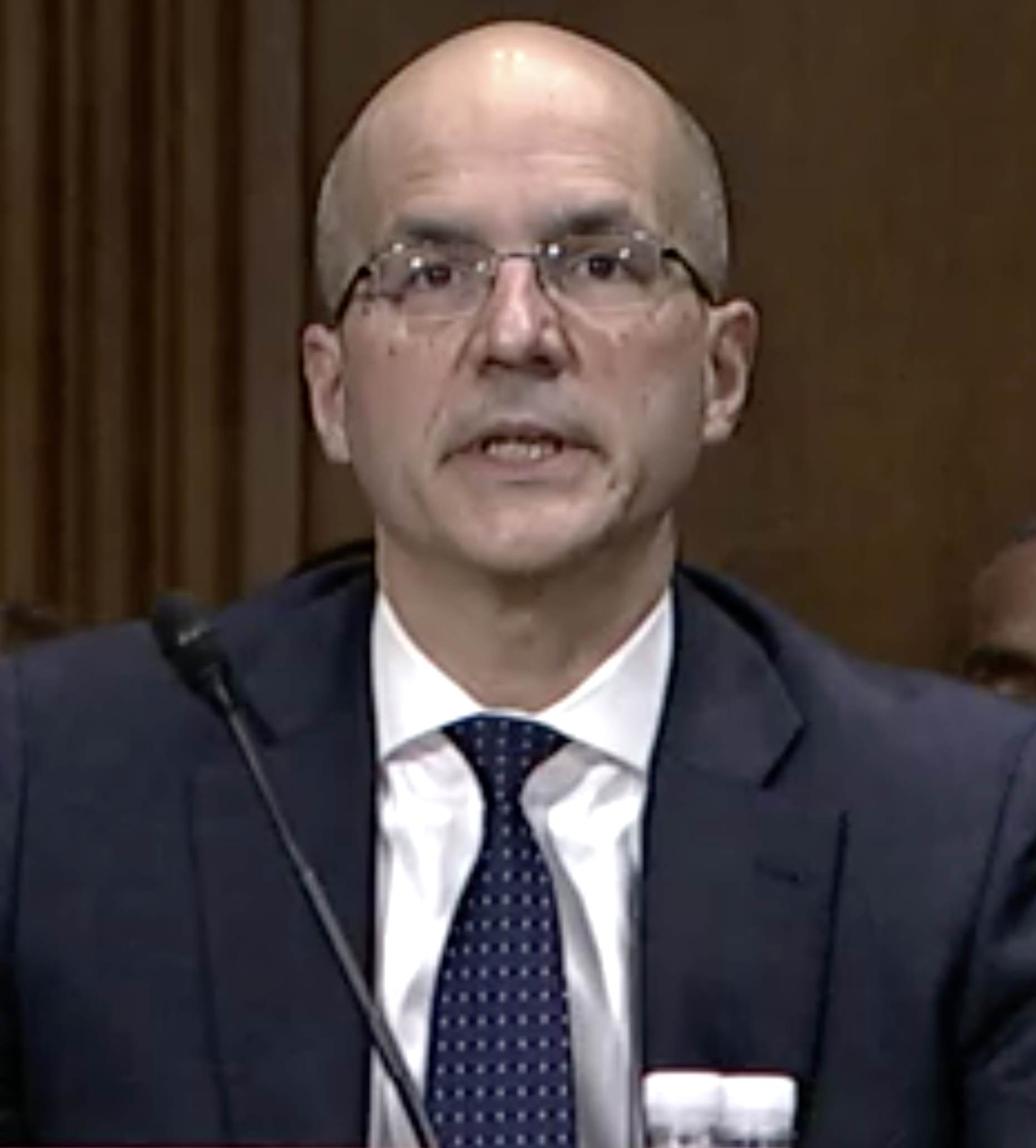
Blanche appeared before the Senate Judiciary Committee for more than five hours of testimony on his nomination to serve permanently in the Justice Department role he has been filling in an acting capacity, according to PBS NewsHour. The hearing covered several fronts, including his past work as President Donald Trump’s personal lawyer, Jan. 6 cases, a proposed settlement fund tied to claims of politicized prosecution and the Epstein files.
The Epstein portion cut differently. It was not an abstract argument about archives or process. Survivors of Epstein’s abuse were in the hearing room, and some had appeared in a video urging senators not to confirm Blanche because of how the department handled the records.
The red flags came from the gap between two goals that are easy to support in theory but difficult to manage together: releasing information about Epstein’s network and protecting the people he abused. Blanche’s testimony suggested the department had already failed on the second part at least once.
That is why the phrase “Blanche reveals dubious” safeguards has stuck with critics. The hearing did not prove a conspiracy, but it did expose a process that survivors and some senators said had already caused harm.
Survivors said DOJ exposed them
The most concrete criticism involved redaction errors. PBS reported that survivors accused the Justice Department of mistakes that revealed personal information in Epstein-related records, leading to fears for their safety and renewed trauma.
Blanche acknowledged that mistakes were made. Asked by Sen. Richard Blumenthal whether he would apologize for the department’s mishandling, Blanche said that any mistake the department made should not have happened.
He also defended the lawyers who reviewed the files, saying that when the department learned a victim’s name had not been properly redacted, the document was taken down immediately. That answer may satisfy people who see the problem as human error inside a massive review. It did not satisfy those who believe the department should have treated victim privacy as the central concern from the start.
The stakes are unusually personal. In many document fights, redactions are about national security, law enforcement methods or reputational risk. In the Epstein files, a failed redaction can identify a survivor of sexual abuse and put that person back into a public story they did not choose.
The Maxwell meeting added suspicion
Blanche’s meeting with Ghislaine Maxwell, Epstein’s convicted associate, added another layer of distrust for observers already suspicious of how the records were being handled. Maxwell is not a peripheral figure in the Epstein story; she was convicted for her role in helping Epstein exploit underage girls.
That does not mean every contact with Maxwell is improper. Prosecutors and Justice Department officials sometimes speak with convicted defendants, witnesses or their lawyers when reviewing related matters. The question is what the meeting was for, what was discussed and whether the department’s public explanations have been specific enough to reassure victims and lawmakers.
In a normal case, those details might remain confidential for legitimate reasons. In the Epstein case, secrecy carries its own cost. The public has spent years hearing claims that important names were hidden, protected or selectively handled. Every unexplained meeting becomes part of that suspicion cycle.
This is the core tension around calling the matter a “scheme.” That word implies a deliberate plan, and available public reporting does not establish that. What the hearing did show is that Blanche is overseeing, or defending, a process that many people do not understand and some victims do not trust.
Redactions became the real fight
Several lawmakers pressed Blanche on whether the Justice Department had redacted the names of powerful people connected to Epstein while failing to protect victims. That is the most politically explosive version of the complaint: not merely that the department made mistakes, but that it protected the influential more carefully than the vulnerable.
Blanche pushed back against the implication. PBS reported that he praised the attorneys reviewing the records and emphasized that improper disclosures were addressed when found. But one exchange reported by PBS captured why his defense was politically risky: Sen. Richard Durbin cited Blanche’s explanation that “it isn’t a crime to party with Mr. Epstein,” and told him survivors deserved better.
Blanche’s point, read narrowly, is legally true. Association alone is not a criminal charge. A person’s name appearing near Epstein does not automatically establish wrongdoing, and the Justice Department has to avoid implying guilt where it cannot prove it.
But survivors and critics hear something else in that framing. They hear a department being careful about the reputations of people who moved in Epstein’s circles while being less careful with the identities of those harmed. That perception is damaging even if the department believes its legal reasoning is sound.
Trump ties shadowed the hearing
The Epstein files were only one part of a broader confirmation fight. Blanche’s past role as Trump’s personal lawyer followed him throughout the hearing, especially because he is now being asked to lead an institution that has handled matters connected to Trump and his allies.
One exchange with Sen. John Kennedy underscored the awkwardness. Asked whether he and Trump were friends, Blanche answered that he was Trump’s lawyer, was his lawyer and is now the deputy attorney general, according to PBS. The answer was memorable because it did not fully separate the past relationship from the current public role.
Blanche also faced questions about Jan. 6 cases. PBS reported that he said he had recused himself from Jan. 6 matters involving Trump, but defended his department’s move to vacate convictions of 12 riot leaders. Sen. Adam Schiff challenged whether that was truly separate from the investigation involving Trump.
For senators weighing Blanche’s nomination, these issues overlap. The Epstein files require independence, credibility and careful judgment. If critics already doubt Blanche’s independence because of his Trump work, they are more likely to view his Epstein answers through that lens.
What senators still need answered
The immediate political question is whether Blanche can secure enough support to advance to a full Senate vote. PBS reported that he needs the support of all committee Republicans, with senators including John Cornyn and Thom Tillis viewed as important votes. Cornyn said he still had concerns, while Tillis sounded supportive after the hearing.
The bigger public question will not be settled by one vote. The Justice Department still needs to explain how it reviews Epstein records, how it decides what to redact and what safeguards exist to prevent victims from being identified again.
There are also unresolved questions around Maxwell. If Blanche or the department had a legitimate reason to meet with her, the department may need to say more about the purpose without compromising legal or privacy interests. If it cannot, suspicion will keep filling the silence.
The cleanest takeaway from the hearing is not that every allegation against Blanche was proven. It is that the Epstein files remain a uniquely volatile test of government credibility. A department that says it is pursuing transparency must also show it can protect survivors. On that measure, Blanche’s answers left enough uncertainty for the red flags to keep flying.
Leave a Reply