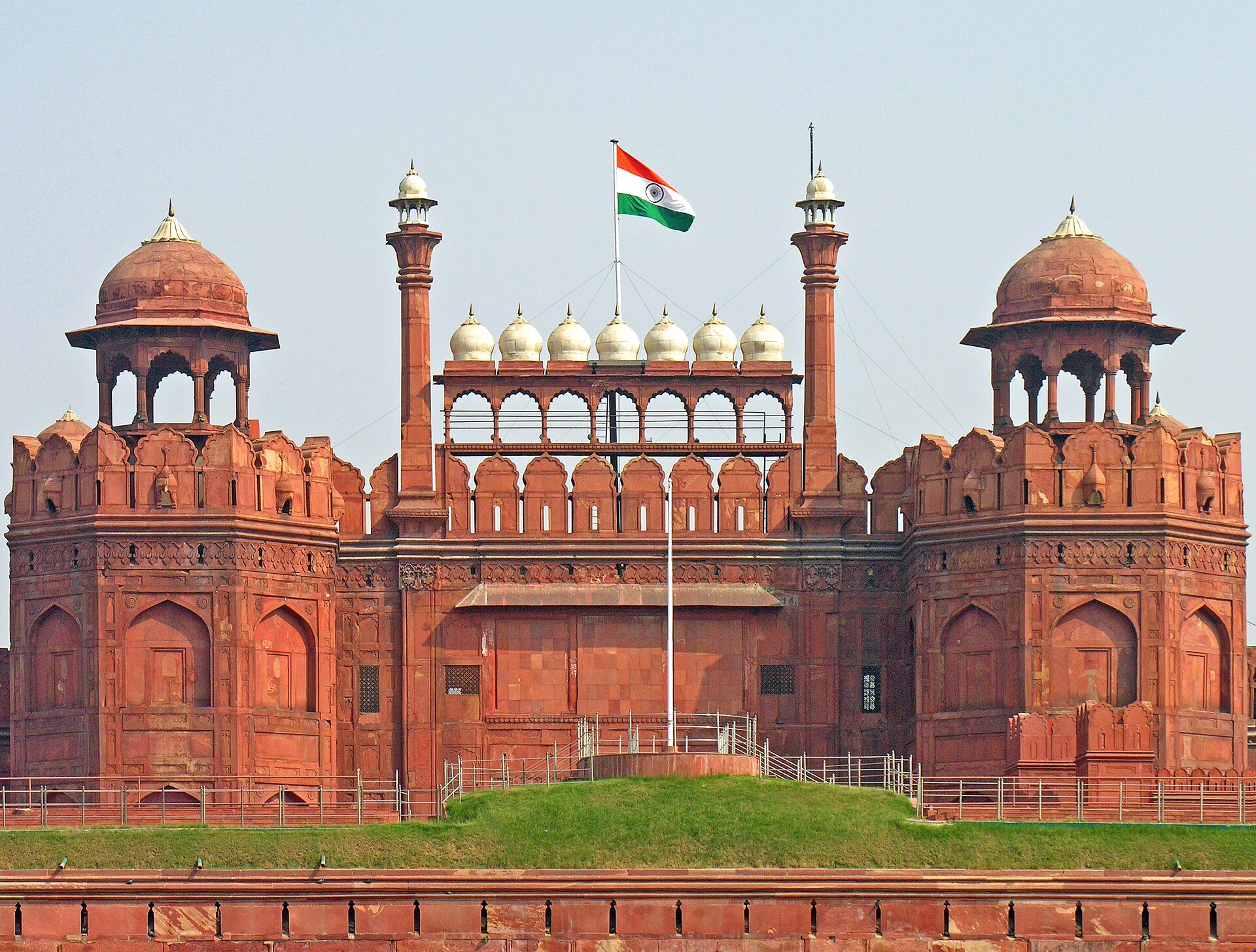
The advisory is not a blanket ban on visiting India, but it is a reminder that risk varies by region. Travelers should know where the warning is strongest before booking or adding side trips.
The U.S. government renewed a travel warning for India, a tourist destination that draws millions of international visitors, and the warning was issued because of crime and terrorism concerns. The US travel warning, posted by the State Department, warns travelers to exercise increased caution and says violent crimes, including sexual assault, can happen at tourist sites and other locations.
For Americans considering the tourist hot spot now, the renewal matters less as a blanket red light than as a planning signal: India remains open to visitors, but the government is flagging risks that can vary sharply by region, itinerary and time of travel.
India remains at Level 2
The State Department’s India advisory tells U.S. travelers to exercise increased caution because of crime and terrorism. That language corresponds to Level 2 in the department’s four-tier advisory system.

USA.gov explains the system this way: Level 1 means exercise normal precautions, Level 2 means exercise increased caution, Level 3 means reconsider travel, and Level 4 means do not travel. Crime, terrorism, civil unrest, disease outbreaks and natural disasters can all influence those levels.
That distinction matters. A Level 2 advisory is not the same as a warning to avoid the entire country. It means the U.S. government sees heightened risk and wants travelers to adjust their plans, behavior and expectations.
It also means travelers should read beyond the headline. A countrywide level can sit alongside tougher warnings for specific regions, border zones or conflict-affected areas.
Where the warning tightens
The India advisory is broad, but it is not evenly distributed. The State Department has long singled out certain parts of the country for stronger caution because of terrorism, civil unrest, armed conflict or violence.
Those areas include Jammu and Kashmir, with an exception for eastern Ladakh and Leh; areas within 10 kilometers of the India-Pakistan border; Manipur; parts of the Northeast; and parts of central and eastern India where extremist violence has been a concern.
For many visitors, those places may not be on a standard first trip built around Delhi, Agra, Jaipur, Mumbai, Goa, Kerala or major business hubs. But India itineraries often expand quickly. A spiritual retreat, trekking plan, family visit or remote work detour can move a traveler into a very different risk environment.
That is why the advisory matters even to people who do not plan to cancel. It encourages travelers to check each stop rather than treating India as one uniform destination.
Crime risks at tourist sites
The State Department specifically says violent crimes, including sexual assault, happen at tourist sites and other locations. That is a sobering line for travelers who may otherwise think of risk only in terms of remote regions or headline-making attacks.
Crime warnings do not mean every visitor is likely to be targeted. They do mean travelers should plan around predictable vulnerabilities: late-night arrivals, isolated areas, unfamiliar transportation, crowded tourist zones, alcohol-related exposure, and situations where a visitor is separated from a group or guide.
Women travelers, solo travelers and first-time visitors may want to take extra care with lodging, transport and local contacts. That can mean using hotel-arranged pickup on arrival, avoiding unverified drivers, sharing live location with a trusted contact, and being cautious about accepting food, drinks or invitations from strangers.
There is a balance here. Overstating danger can flatten a huge and complex country into a caricature. Understating it can leave travelers unprepared for the exact situations official advisories are designed to flag.
Terrorism concerns are regional and practical
The terrorism portion of the advisory is not just abstract language. U.S. travel advisories use that label when specific threats exist or when attacks may occur with little or no warning.
For travelers, the practical takeaway is to stay alert in places where crowds gather and security screening is common: markets, transportation hubs, religious sites, public events, hotels, restaurants and popular tourist areas. Those are the kinds of places where visitors may naturally spend time.
The advisory does not mean travelers should move through India in a state of panic. It does mean they should build in time, keep plans flexible, avoid demonstrations, and leave an area if police or security forces appear to be tightening access.
Travelers should also remember that terrorism risk can change quickly. A region that looks manageable during booking can look different by departure week, especially around elections, communal tensions, border incidents or major public gatherings.
Why renewals can feel confusing
Travel advisory renewals often generate anxiety because they sound like a sudden downgrade. Sometimes they are tied to a fresh security development; other times they reflect an updated government assessment, routine review or continued concern.
That leaves room for two reasonable reactions. One traveler may see the renewed warning and postpone a trip, especially if the itinerary includes higher-risk areas. Another may keep plans in place but tighten logistics, buy stronger travel insurance and avoid certain regions.
Both responses can be rational. A business traveler staying in a major hotel in Bengaluru or Mumbai faces a different set of risks than a backpacker crossing remote areas, a solo traveler arriving late at night, or a tourist adding a politically sensitive border region to the itinerary.
What remains unclear from a headline alone is whether a renewal reflects one incident, a pattern of incidents or a continuation of existing risk. That is why official advisory pages, not screenshots or social posts, should be the reference point before departure.
Steps before booking or flying
USA.gov recommends checking State Department advisories before planning international travel. It also points travelers to the Smart Traveler Enrollment Program, known as STEP, a free State Department service that sends alerts and helps a U.S. embassy contact travelers during an emergency.
For India, the smartest preparation is not complicated, but it should be deliberate:
- Check the current State Department India advisory shortly before booking and again before departure.
- Review every planned city or region, especially border areas, northeastern states and remote districts.
- Enroll in STEP so the embassy can send alerts tied to the destination.
- Use reputable transport, especially for airport transfers and late-night arrivals.
- Keep copies of passports, visas, insurance documents and emergency contacts offline.
- Build flexible routes so a side trip can be dropped if local conditions change.
Travel insurance is also worth reading carefully. Some policies exclude coverage in areas under high-level warnings or for incidents tied to terrorism, civil unrest or risky activities. The fine print matters before a problem starts.
The clear takeaway for travelers
The renewed U.S. travel warning for India is serious, but it is not a simple stay-home order. The State Department is telling Americans that crime and terrorism risks require more caution, not that all travel to India is automatically off the table.
The safest reading is practical: know the level, know the regions, avoid the areas with stronger warnings, and do not treat a dream itinerary as fixed if conditions change.
India remains one of the world’s major travel destinations. The advisory’s message is that the trip should be planned with the same seriousness as the destination’s scale: carefully, locally and with current information in hand.
Leave a Reply