
The fight over Jeffrey Epstein records is now centered on a narrow but loaded question: which blackouts protect victims and which ones block public accountability?
Todd Blanche submitted redacted Epstein files minutes before a judge’s deadline, putting the Justice Department back under pressure over what the public can see from Jeffrey Epstein’s records. The filing followed U.S. District Judge Emmet Sullivan’s court order involving the Epstein files and requiring more disclosure: release unredacted versions of specific records or explain why the blackouts must remain.
The headline-level fact — Blanche submits redacted records instead of a clean release — points to the real fight. Are the redactions protecting victims and lawful secrets, as the government says, or shielding information a federal release law was designed to expose?
The order behind the filing
Blanche’s submission did not come out of nowhere. According to CBS News, Sullivan ordered the Justice Department to either release unredacted versions of several files related to the late sex offender Jeffrey Epstein or explain why the material could not be made public.
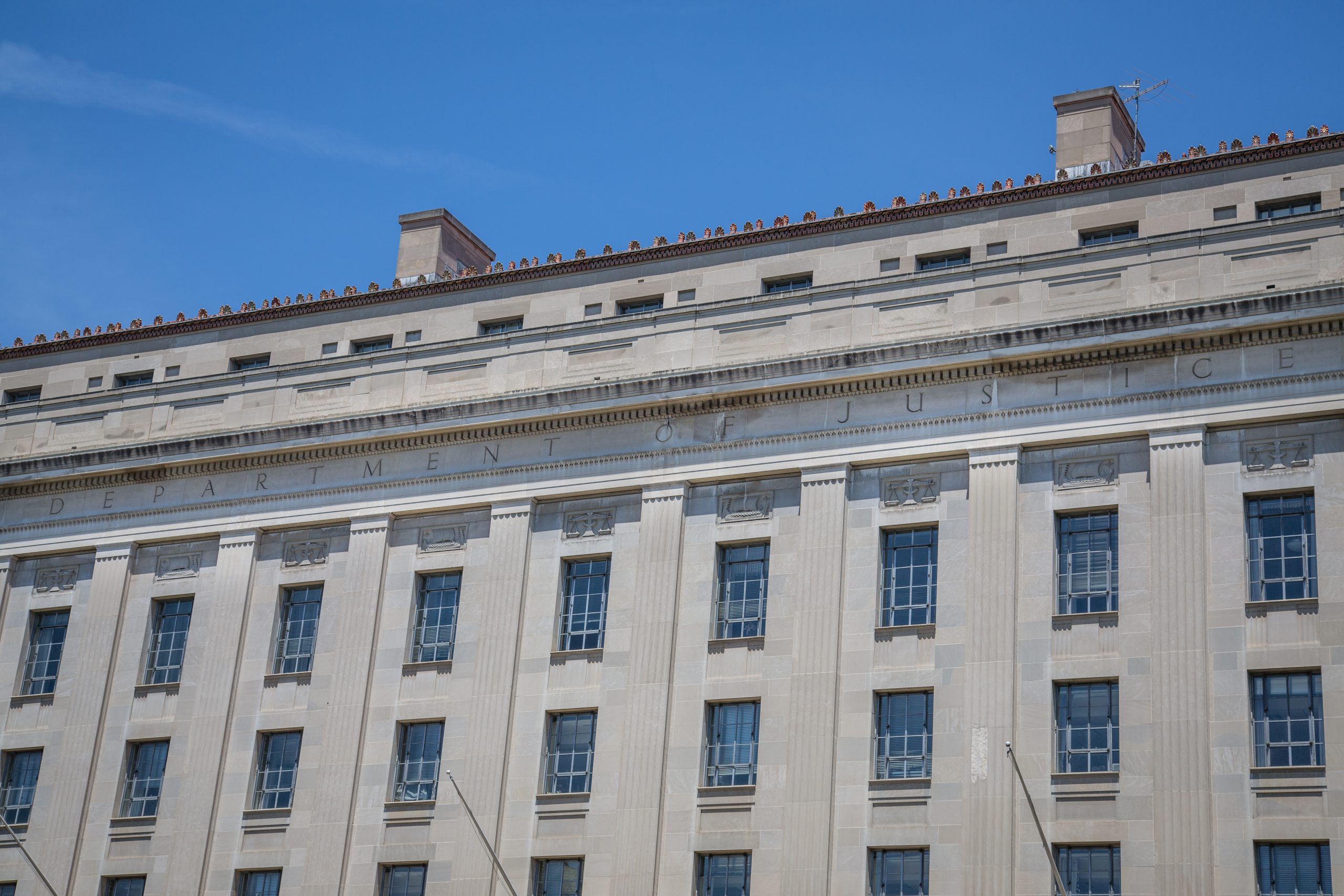
CBS reported that Sullivan gave the government until Thursday, July 2, to comply. The court’s demand followed a lawsuit accusing Acting Attorney General Todd Blanche of improperly redacting documents released under a federal law requiring publication of Epstein-related records.
That timing matters because a filing made just before a deadline can satisfy the clock without ending the dispute. A redacted production still leaves the court to decide whether the blackouts are justified, too broad or inadequately explained.
The Justice Department has said it has produced responsive documents. The challengers argue that production is not enough if key names, senders, recipients or supporting records remain hidden without a lawful basis.
Why blackouts remain at issue
Redactions are not automatically suspicious. In Epstein-related files, they can protect victims, private personal information, law enforcement sensitivities, privileged communications or material that is outside the scope of a release law.
The Justice Department has defended its approach on those grounds. CBS News reported that the department has argued many unreleased documents were duplicates, unrelated to Epstein or protected by legal privilege. It has also said redactions are needed to protect personal information and victims’ identities.
The counterargument is that those categories can become too elastic. Independent journalist and legal commentator Katie Phang sued in April, accusing the government of a continuing violation of the law mandating the Epstein files’ release. Her case asks the court to force more disclosure of specific records.
That is the practical reason readers keep seeing new Epstein-file headlines years after Epstein’s death in federal custody in 2019. The dispute is no longer just about whether records exist. It is about whether the public is getting enough of them to understand what investigators, prosecutors and powerful people knew.
Records Sullivan singled out
The court order described by CBS News did not demand a blanket release of every Epstein-related file. It focused on particular categories that have become flashpoints in the transparency fight.
According to CBS, the records at issue include:
- Eight emails in which either the sender or recipient was blacked out.
- A draft indictment of Epstein with names of potential co-conspirators obscured.
- A 2019 email mentioning several co-conspirators whose names were redacted.
- Interview notes behind several FBI documents summarizing unverified allegations against President Trump, or an explanation for why they cannot be released.
- A log listing every redaction made to the Epstein files the department has published.
The redaction log may sound bureaucratic, but it could be one of the most important pieces. A proper log forces the government to say what category of information it withheld and why, instead of leaving the public to guess at every black box.
It also gives the judge a map. Without a log, the fight becomes a shouting match over secrecy. With one, the court can test whether each category of redaction fits the law.
Pressure is coming from many sides
The Epstein files have created unusual political pressure. CBS News reported that lawmakers and Epstein survivors have raised questions about missing or heavily redacted records. Millions of pages have been made public since December, but the department has said only about half of the 6 million pages it collected on Epstein would be released.
That scale makes the dispute hard to follow and easy to exploit. A single blacked-out name can fuel speculation, while a careless release can expose victims or people whose identities are legally protected.
One email highlighted by CBS showed why redactions can become their own controversy. In that email, Epstein referred to a torture video, and lawmakers from both parties questioned why the recipient’s name was blacked out. Blanche later suggested on social media that the recipient was Sultan Ahmed bin Sulayem, former CEO of the Dubai-based logistics firm DP World, according to CBS.
The larger point is not that every redaction is improper. It is that redactions in this case carry extraordinary public weight because Epstein’s crimes, social network and treatment by the justice system remain sources of intense scrutiny.
DOJ is signaling a fight
Sullivan’s ruling was sharp. CBS News reported that the judge concluded Phang had the right to sue over unreleased files and was likely to prevail on the merits. He also wrote that Freedom of Information Act requests did not provide an adequate remedy in this context.
The Justice Department rejected the judge’s framing. A department spokesperson told CBS News that the agency plans to appeal and said, “The Acting Attorney General has not conceded anything.” The spokesperson also accused the judge of suggesting DOJ violate the law by un-redacting victim names.
That response previews the next stage. The government may argue that the court is pushing disclosure too far, too fast, or into legally protected material. Phang’s side is likely to argue that the department cannot invoke privacy and privilege in broad terms while withholding records the law requires it to release.
An appeal could slow the pace of disclosure, narrow the order or leave Sullivan’s demands in place. The late filing keeps the case alive, but it does not settle the core question.
What to watch now
The key test is specificity. If DOJ withholds names or records, the court will want reasons tied to law, not broad assurances. If challengers demand names, they will have to show why those names fall within the release mandate and are not protected.
Three developments will matter most from here:
- Whether Sullivan accepts the Justice Department’s explanations for remaining redactions.
- Whether the redaction log is detailed enough to let the court and public understand what was withheld.
- Whether an appeal pauses disclosure or changes the scope of the order.
Readers should be cautious about viral claims that treat every black box as proof of a cover-up or every demand for disclosure as a threat to victims. Both things can be true at once: the public may be entitled to far more transparency, and some information may still need to stay protected.
The last-minute nature of Blanche’s filing adds drama, but the legal stakes are more durable. The Epstein files fight is now a test of whether the Justice Department can defend secrecy line by line in a case where public trust is already thin.
Leave a Reply