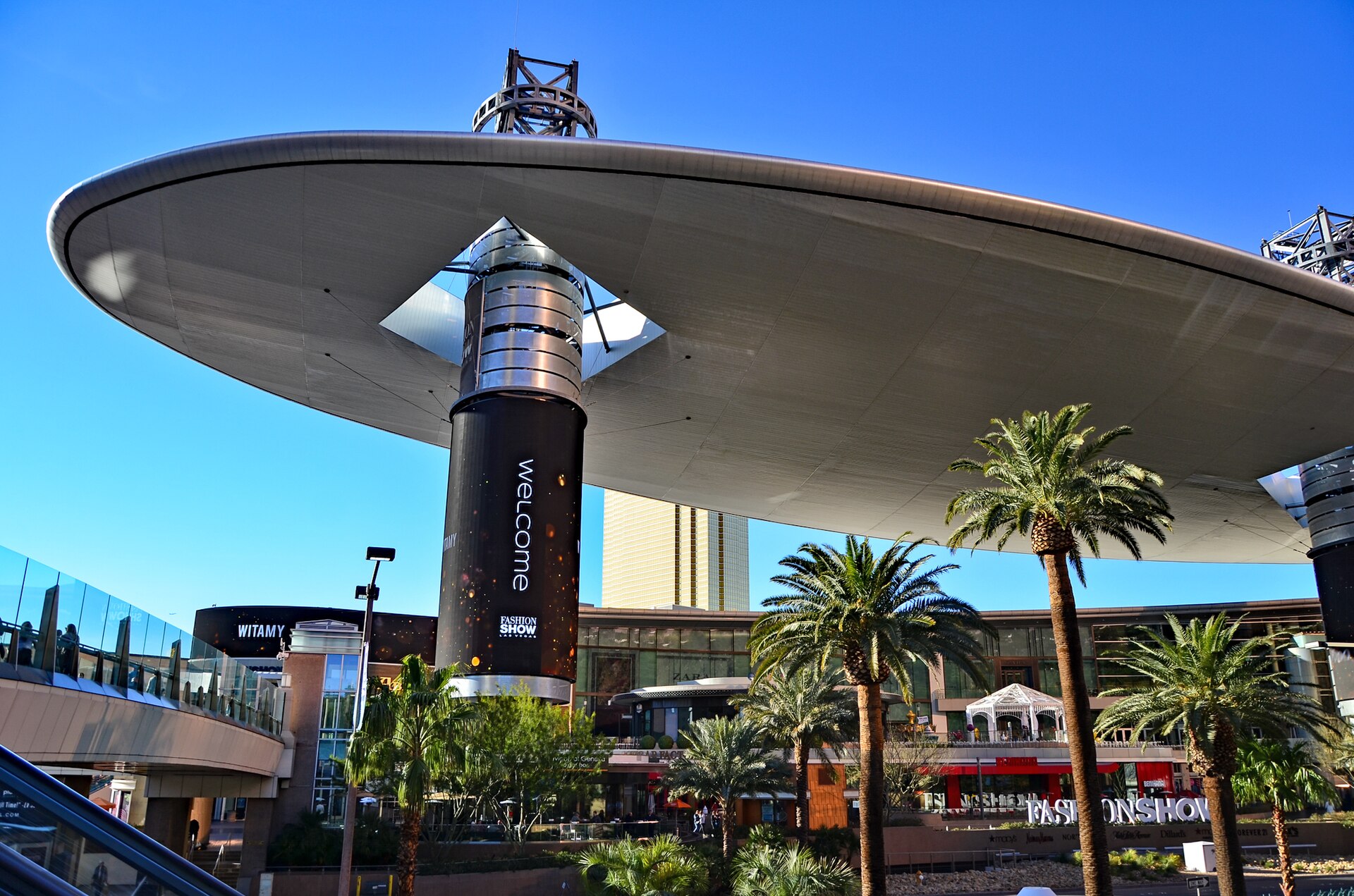
The case turns on a terrifyingly ordinary moment: a Hawaii visitor walking back to a parking garage for a face mask. Sentencing now shifts attention from the crime spree to punishment and accountability.
A woman was shot dead at a shopping mall while she was on vacation with her husband in Las Vegas, and the fatal errand was as ordinary as it gets: she was walking back to her car to get a face mask. Now, years after 66-year-old Hawaii visitor Clarice Yamaguchi was killed at the Fashion Show Mall on New Year’s Eve 2021, two men have entered guilty pleas tied to a robbery spree authorities say also left 60-year-old Hyo Sup “Richard” Um dead.
Jordan Ruby, 22, pleaded guilty to first-degree murder in Yamaguchi’s death. Jesani Carter, 24, pleaded guilty to the murders of both Yamaguchi and Um, along with several robbery counts, according to reports citing Nevada court proceedings.
A mask errand turned fatal
Yamaguchi and her husband were visiting Las Vegas from Hawaii when they went to the Fashion Show Mall, a major shopping destination on the Las Vegas Strip. According to the Las Vegas Review-Journal’s courtroom account, the couple was in a parking garage and walking back to their car to retrieve a face mask when a BMW pulled up.

Authorities said the passenger got out of the car and demanded Yamaguchi’s purse. Her husband tried to fight the man off, and a shot was fired, striking Yamaguchi.
She was pronounced dead at the scene.
The detail that has lingered in public accounts of the case is how routine the moment was. The couple was not described as confronting anyone or taking part in a dispute. They were on vacation, in a mall parking garage, heading back to the car for something many people carried daily during that period.
The pleas changed the case
The guilty pleas mark a major turn in a case that began with two killings and a string of robberies on one of Las Vegas’ busiest nights. Law & Crime, citing the Review-Journal and local NBC affiliate KSNV, reported that Ruby pleaded guilty to first-degree murder in Yamaguchi’s death.
Carter’s plea covered both killings: Yamaguchi at the Fashion Show Mall and Um at Palace Station. He also pleaded guilty to several robbery counts.
Those pleas matter because they move the case out of the uncertainty of trial and toward sentencing. They also create a court record of responsibility, though sentencing still leaves room for arguments over punishment, mitigation and the weight each defendant’s conduct should carry.
Ruby is facing between 35 years and life in prison when he is sentenced Sept. 24, according to the Review-Journal account cited by Law & Crime. Carter is scheduled to be sentenced Oct. 8. Prosecutors are expected to argue over the length of Carter’s prison term, but KSNV reported they have agreed not to seek the death penalty.
Authorities describe a robbery spree
Police and prosecutors have described the killings as part of a broader New Year’s Eve robbery spree. According to the courtroom reporting, Ruby and Carter traveled to the Las Vegas Strip on what authorities characterized as the “busiest day of the year” to “make money” by robbing people.
After Yamaguchi was shot, authorities said the men drove away from the Fashion Show Mall and continued to other locations. They allegedly went to Sahara Las Vegas, where they tried to steal a backpack from an employee and shot at him, according to the Review-Journal account.
They then went to Palace Station, where police said they robbed a woman at gunpoint in a parking garage. Um was also targeted there, authorities said. Police said the men stole his wallet and shot him dead.
The BMW later crashed into a tree, and the men were arrested. Images referenced in the Law & Crime report showed the damaged BMW connected to the case, with Ruby and Carter pictured in insets.
Two victims, two families
Yamaguchi’s killing has drawn attention partly because of the vacation context: a visitor from Hawaii killed in a shopping mall parking garage while with her husband. But the same alleged spree also ended Um’s life later that night.
Hyo Sup “Richard” Um, 60, was killed after the defendants moved from the Strip-area mall to Palace Station, according to police accounts summarized in court reporting. His death is part of Carter’s guilty plea and part of the sentencing picture still ahead.
Crime stories often get reduced to the most striking detail. In this case, the face mask errand is haunting because it captures how little warning Yamaguchi appeared to have. But the broader case involves multiple victims, several robbery counts and a night prosecutors have framed as predatory from the start.
That broader view may shape sentencing. Judges often hear not only the facts of the charges, but also the impact on surviving relatives and the wider pattern of conduct behind the convictions.
A denial before the plea
Carter’s guilty plea also contrasts with earlier statements he reportedly made after his arrest. In a jailhouse interview with the Review-Journal shortly after the case began, Carter insisted police had arrested the wrong person.
He claimed he was a high-stakes gambler who already owned expensive clothes and had no reason to rob anyone. “I’m gonna be free tomorrow,” he said, according to the archived interview cited in Law & Crime’s report.
That statement now sits awkwardly beside his plea. A guilty plea is not the same kind of public narrative as a trial verdict; it can come with negotiations, strategic calculations and limits on what is aired in court. But it is still a formal admission that changes the legal posture of the case.
For families and the public, that can be both clarifying and unsatisfying. Pleas can spare witnesses and relatives from a trial, but they can also leave unanswered questions about exact roles, motives and what each defendant may have said or done minute by minute.
What sentencing may decide
The next phase is punishment. Ruby’s sentencing range, as reported, starts at 35 years and can extend to life. Carter’s exposure will be argued at his Oct. 8 sentencing, with prosecutors no longer pursuing the death penalty.
That leaves a difficult balance for the court: the admitted killings, the robberies, the sequence of events across multiple Las Vegas properties, and any arguments defense attorneys raise about age, background, culpability or cooperation.
The case also renews attention on parking garages and tourist areas as crime scenes. Malls, casinos and hotels often market themselves as controlled spaces, but parking structures can be harder to monitor and can create isolated moments between strangers.
The clean takeaway is stark: Clarice Yamaguchi’s death was not just a mall shooting headline. It was one part of a New Year’s Eve Las Vegas case that now has guilty pleas, two homicide victims and sentencing dates that will determine how the justice system closes the file.
Leave a Reply