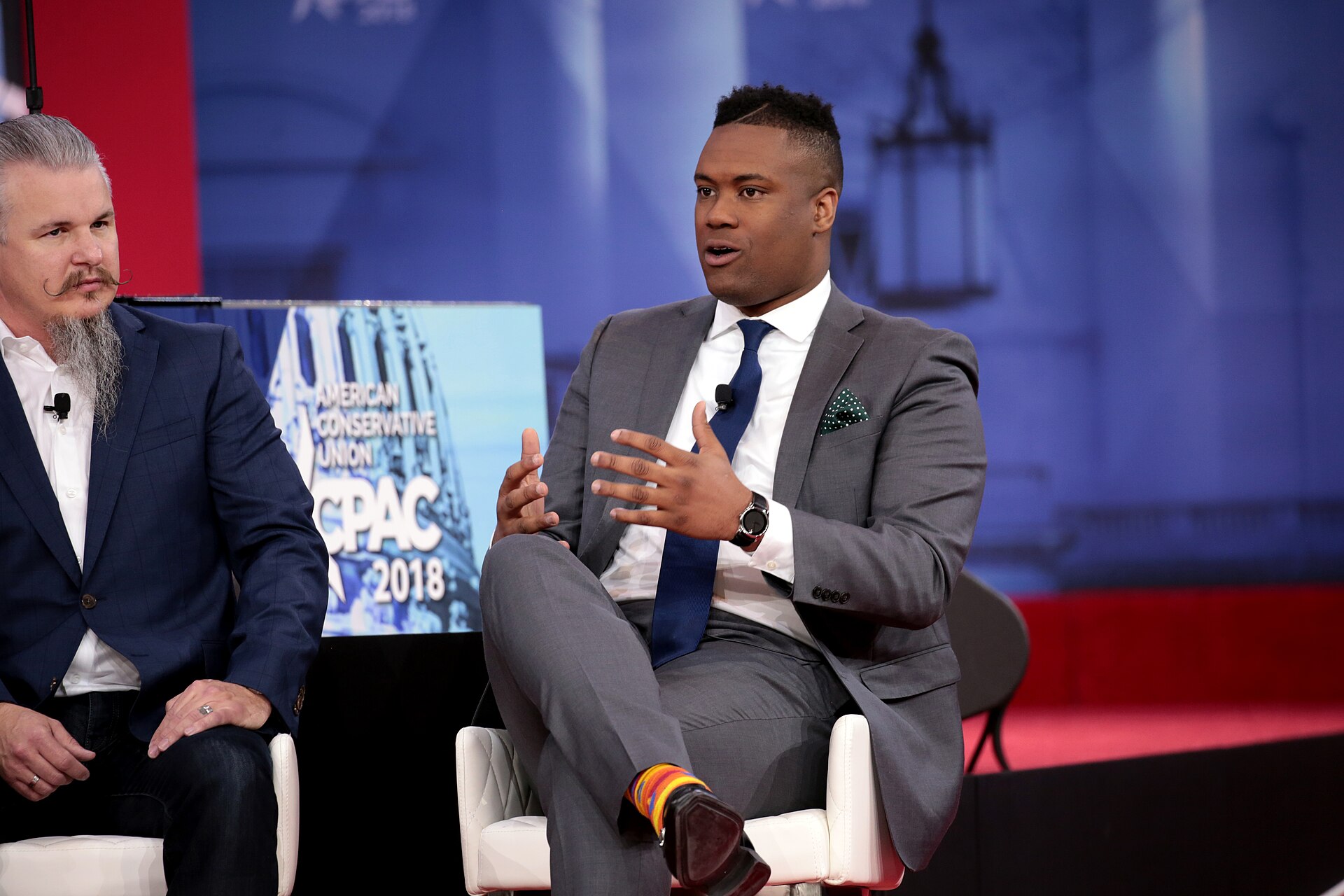
The Fox & Friends segment turned a dispute involving Sophie Cunningham and Cheryl Reeve into a broader argument about the WNBA’s players, platform and public image. The league’s next challenge is separating actual policy from cable-news heat.
A Fox News host criticized the WNBA on Fox & Friends, and the host sent a clear message to the WNBA: in Lawrence Jones’ view, the league and its players are leaving Indiana Fever guard Sophie Cunningham isolated in a fight over transgender inclusion in women’s sports.
Jones’ comments, reported by Mediaite and amplified through sports-media coverage, matter now because they landed after Minnesota Lynx coach Cheryl Reeve wore a “Trans Kids Belong” shirt while facing Cunningham’s Fever. The exchange has turned a culture-war issue into another pressure point for a league enjoying heightened attention.
Jones aimed at the league
Jones used Monday morning’s Fox & Friends discussion to criticize the WNBA’s handling of Cunningham, who has publicly taken a stance against transgender women competing in women’s sports. His argument was blunt: Cunningham, he said, is “alone” inside the league while taking heat for a position he framed as protecting competitive fairness.
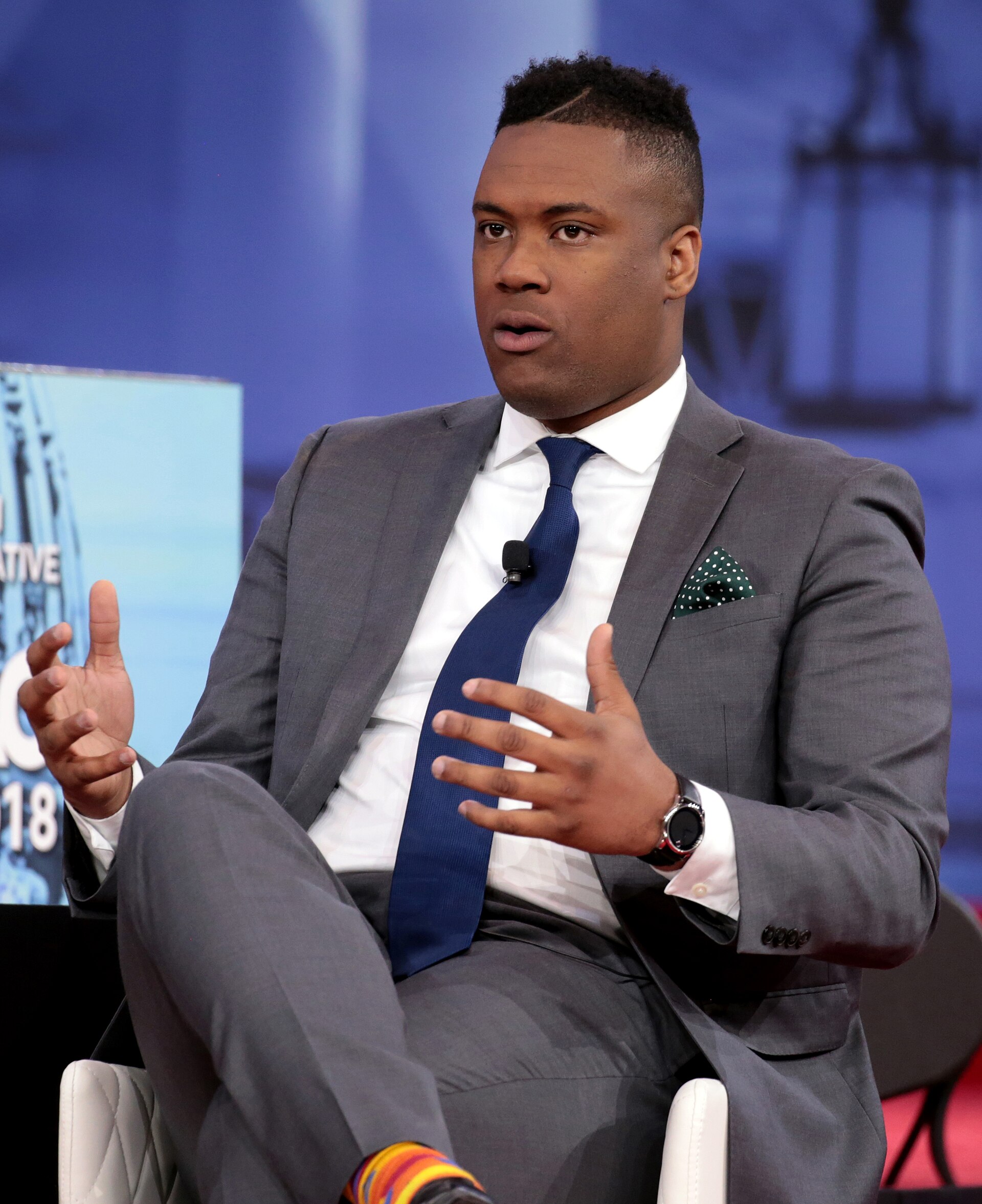
According to Mediaite’s account of the segment, Jones objected to Reeve’s postgame framing of the issue. Reeve had worn a “Trans Kids Belong” shirt during a Sunday game between the Lynx and Fever, then told reporters that she and Cunningham both understand they have platforms and want to educate.
That did not soften Jones’ reaction. He called Reeve’s response “idiotic” and accused Cunningham’s critics of using concern for children to sidestep the sports-eligibility debate. He argued that people can support the safety and dignity of children while still believing women’s sports should have sex-based categories.
The core of his message was directed at WNBA players and leadership, not just Reeve. Jones said the league was failing to stand behind a player he believes is defending the structure that gives women’s professional basketball its purpose.
Cunningham became the flashpoint
Cunningham, a guard for the Indiana Fever, has become part of a much larger argument that reaches well beyond basketball. The issue is not her box score or her role on the Fever roster. It is what her comments now represent to different audiences.
To Jones and like-minded viewers, Cunningham is being treated as controversial for expressing a position they see as basic fairness: that women’s leagues should be reserved for female athletes. He said on Fox & Friends that other players may agree with her privately but are not saying so publicly.
That possibility was raised on the program by co-host Ainsley Earhardt, according to Mediaite. Jones responded that silence would make the situation worse, arguing that players who agree with Cunningham but stay quiet are allowing her to absorb the backlash alone.
His most pointed line came when he asked, “Are you guys crazy?!” The question was aimed at the WNBA community as much as at any single person. Jones suggested the league risks alienating fans if it appears unwilling to defend the separation of women’s sports.
Reeve’s shirt changed the frame
Reeve’s “Trans Kids Belong” shirt gave the story its sharper public edge. The Lynx coach did not merely answer a question in a press conference. She used game-day visibility to send a message of her own.
That matters because the phrase on the shirt does not exactly mirror Cunningham’s argument. Reeve’s message was about belonging and support for transgender children. Cunningham’s position, as discussed on Fox & Friends, is about who should be eligible to compete in women’s sports. Those are related political and cultural debates, but they are not identical.
Jones rejected the pairing. He argued that critics of transgender participation in women’s sports are not saying children should be unsupported or unsafe. In his view, Reeve’s shirt turned a rules debate into a moral accusation.
Reeve’s reported postgame remarks were more measured than the shirt war suggests. She said both she and Cunningham understand they have platforms and talked about wanting to educate. Still, once the message moved from a locker-room or policy debate to national cable news, nuance had little room to breathe.
The WNBA is under a brighter light
The timing is part of why the segment traveled. The WNBA is not operating in obscurity. The league has been drawing broader attention, bigger conversation and a more intense media ecosystem around its stars, teams and controversies.
Jones referenced that visibility by bringing up Caitlin Clark, the Indiana Fever guard whose arrival has helped bring new viewers and attention to the league. He argued that the WNBA is already fighting to grow and should be careful about controversies that could push away fans.
His warning was dramatic. Jones said that if “guys” begin trying out for WNBA teams, the sport would be “done” and people would stop watching. That is his prediction, not an established outcome, and the available reporting does not show the WNBA facing such a scenario.
Still, the reaction shows how the WNBA’s growth has changed the stakes. A coach’s shirt, a player’s comment and a cable-news segment can now become part of the same national story within hours. More attention brings more sponsorship opportunity, but it also brings more scrutiny from audiences who may not have followed the league closely before.
Policy got less attention than politics
One striking feature of the controversy is how little of the public argument, at least in the reported Fox & Friends exchange, appears to center on the WNBA’s actual eligibility rules or any current case involving a transgender player seeking a roster spot.
Jones spoke in warning terms, describing what he believes could happen if the league embraces a more inclusive approach. Reeve’s shirt spoke in affirmation terms, emphasizing belonging for transgender children. Cunningham’s stance, as discussed in the segment, sits in the middle of a sports-policy question that is often argued through slogans rather than specifics.
That gap matters for readers trying to understand the story. There is a difference between debating youth sports, college athletics and a professional league with its own labor, medical and eligibility systems. The Mediaite report does not include a WNBA statement responding to Jones, Reeve or Cunningham, nor does it lay out a live league eligibility dispute.
Without those details, the story is best read as a media and culture-war flare-up around the WNBA, not as evidence of an imminent roster decision. Jones’ comments are significant because of his platform and the league’s visibility, but the practical policy consequences remain unclear.
What remains unsettled
The unanswered question is whether the WNBA will address the issue directly or allow teams, coaches and players to keep speaking individually. Silence can lower the temperature, but it can also create room for outside voices to define the league’s position for it.
There is also the question of how players navigate disagreement inside a league that has long encouraged social and political expression. If Reeve’s shirt is seen as acceptable platform use, Cunningham’s supporters will argue her position deserves the same room. If Cunningham’s stance is treated as harmful by others, the league faces a harder internal conversation about speech, inclusion and workplace culture.
Jones’ “clear message” to the WNBA was that the league should back Cunningham and defend women’s sports as he defines them. Reeve’s message was that transgender kids belong. Those statements are now colliding in a league that is bigger, louder and more watched than it used to be.
The clean takeaway is this: the WNBA is no longer just fighting for attention. It is managing the consequences of having it.
Leave a Reply