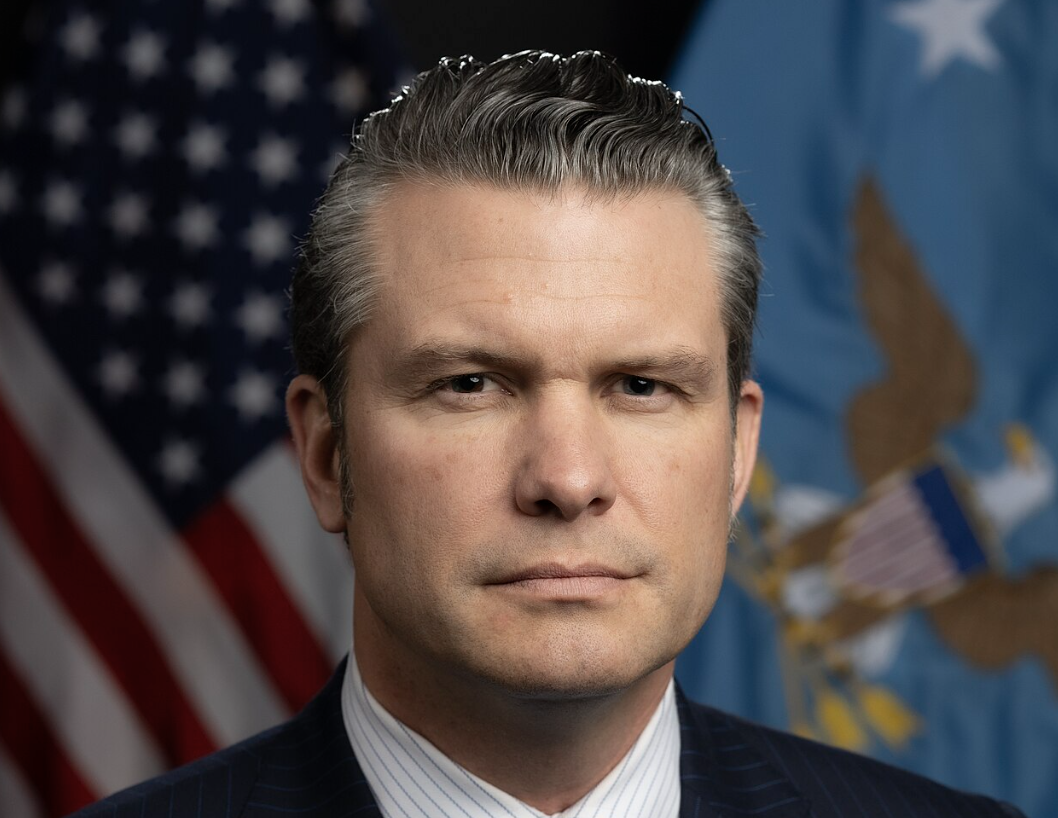
Pete Hegseth’s position at the Pentagon has faced pressure from reported security concerns and internal turmoil. But the most consequential question is whether President Donald Trump’s public support can outweigh those problems.
Pete Hegseth’s job security as defense secretary is under threat after reports that the White House considered replacing him at the Pentagon. The pressure stems from controversy over Signal chats involving U.S. military operations and from turmoil inside the Defense Department, while President Donald Trump has publicly supported Hegseth.
That divide matters because Trump’s confidence is the strongest protection available to a Cabinet official. Yet reports of a possible replacement, disputed by the White House, have left unresolved whether Hegseth can restore trust in the Pentagon’s handling of sensitive information and its internal decision-making.
Trump holds the crucial lever
For all the attention on reported White House planning, Hegseth’s immediate prospects depend most heavily on the president. Trump said the controversy was a “waste of time,” praised Hegseth’s performance and was described by press secretary Karoline Leavitt as standing “strongly” behind him.
That public defense is significant, but it is not necessarily a final answer to the concerns surrounding the defense secretary. A president can defend an official in public while aides privately evaluate political liabilities, management troubles or possible alternatives.
The competing signals have produced two plausible readings. One is that the controversies created a real threat to Hegseth’s tenure; the other is that Trump’s intervention demonstrated that the threat has limits unless new evidence or a more serious breakdown changes the president’s view.
Subsequent Washington Post reporting that Hegseth had become more confident in his standing suggests he believed he had weathered the initial crisis. It does not resolve the separate questions about the handling of military information or conditions inside the department.
What the replacement report said
NPR reported on April 21, 2025, that the White House had begun looking for a new Pentagon leader to replace Hegseth. The report cited a U.S. official who was not authorized to speak publicly.
The White House disputed the account. That distinction is essential: reported consideration of possible successors is not the same as a presidential decision to remove a Cabinet secretary.
Still, even an alleged search that is later denied can reveal internal concern. In this case, the report arrived as Hegseth was already facing scrutiny over his use of Signal, an encrypted messaging app, to discuss military operations.
Hegseth rejected allegations of wrongdoing. He argued that hostile media coverage and anonymous accounts from former staff had been used to harm his reputation, and he has maintained that the claims do not accurately describe his actions or his department.
Signal chats drove the scrutiny
The core issue involves reports that Hegseth shared information related to planned U.S. strikes against Houthi targets in Yemen in private Signal group chats. NPR reported that one chat included his wife, brother and personal lawyer.
A separate chat involving senior White House officials accidentally included a journalist, according to the reporting. The information at issue reportedly included operational timing and details about airstrikes.
Critics said sharing such details before an operation could put U.S. personnel at risk if hostile actors intercepted them. A later CNN report said a watchdog found that Hegseth had risked compromising sensitive military information and potentially endangering U.S. troops.
The available reporting does not establish that the information was intercepted or that a specific operation was compromised. The political and institutional concern, however, has centered on the alleged risk, the participants in the chats and whether officials followed standards intended to protect missions and service members.
Pentagon disputes added another test
The communications controversy unfolded during a turbulent period within the Defense Department. NPR reported that senior Hegseth advisers Dan Caldwell, Colin Carroll and Darin Selnick were escorted from the Pentagon amid accusations that they leaked information to the press.
The three former advisers denied wrongdoing and said they had not been told what they were accused of leaking. Former Pentagon spokesperson John Ullyot, who resigned, later described the department’s infighting as a “full-blown meltdown,” according to NPR.
Separate Washington Post reporting from May 2026 described friction over Hegseth’s attempt to centralize control over important Pentagon decisions. The Post reported that then-Navy Secretary John Phelan had raised concerns with lawmakers about what he viewed as unusually rigid control by Hegseth and Deputy Defense Secretary Steve Feinberg over submarine and shipbuilding decisions.
Those disputes broaden the stakes beyond the Signal allegations. The defense secretary oversees a vast civilian workforce, the military chain of command, major procurement programs, congressional relationships and national-security decisions.
Congress may press for answers
Democratic lawmakers have portrayed the episode as a question of whether Hegseth is prepared to lead the federal government’s largest department. Sen. Jeanne Shaheen, a member of the Senate Armed Services Committee, said Hegseth should accept responsibility and criticized Trump’s selection of him for a role involving life-and-death military decisions.
Hegseth’s supporters and the White House have taken a sharply different view. They have said the reports rely on anonymous sources and grievances from former employees, shifting the focus to the credibility and motives of those raising concerns.
Congressional oversight could clarify more of the record. Lawmakers can seek testimony, request documents and press the Defense Department about policies governing communications, classification and operational planning.
Important points remain unsettled in the public reporting: exactly what information was shared, who authorized the communications practices and whether departmental rules were violated. Trump’s support may keep Hegseth in place in the short term, but institutional trust will depend on whether the administration can offer a clear, documented account of the Signal disclosures and show that internal disputes are not disrupting the Pentagon’s mission.
Leave a Reply