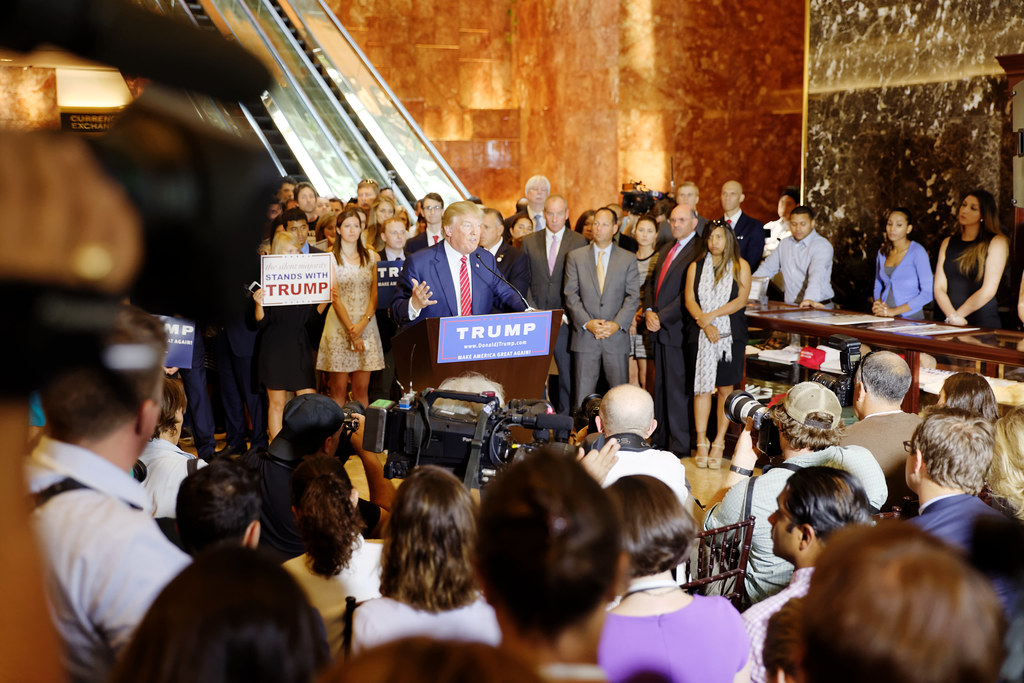
The fight is less about one policy dispute than a loyalty test: whether Trump’s base follows him if he edges closer to a foreign conflict many supporters thought he vowed to avoid.
As MAGA exiles declare political war on Donald Trump, the backlash from MAGA figures against Donald Trump is no longer just outside criticism. Some former Trump allies accuse him of betraying their movement, while a split inside the MAGA coalition over Trump’s current actions or policies has sharpened around his posture toward Iran, Israel and the possibility of U.S. military involvement.
The fight matters because Trump has long sold America First as a promise to avoid new foreign entanglements. Now, some of his loudest supporters are testing how conditional their loyalty really is.
The Iran flashpoint
The immediate rupture centers on whether the United States should become more directly involved in the conflict between Israel and Iran. The Associated Press reported on June 18, 2025, that Trump downplayed the idea that his supporters were cooling on him while he weighed possible action.
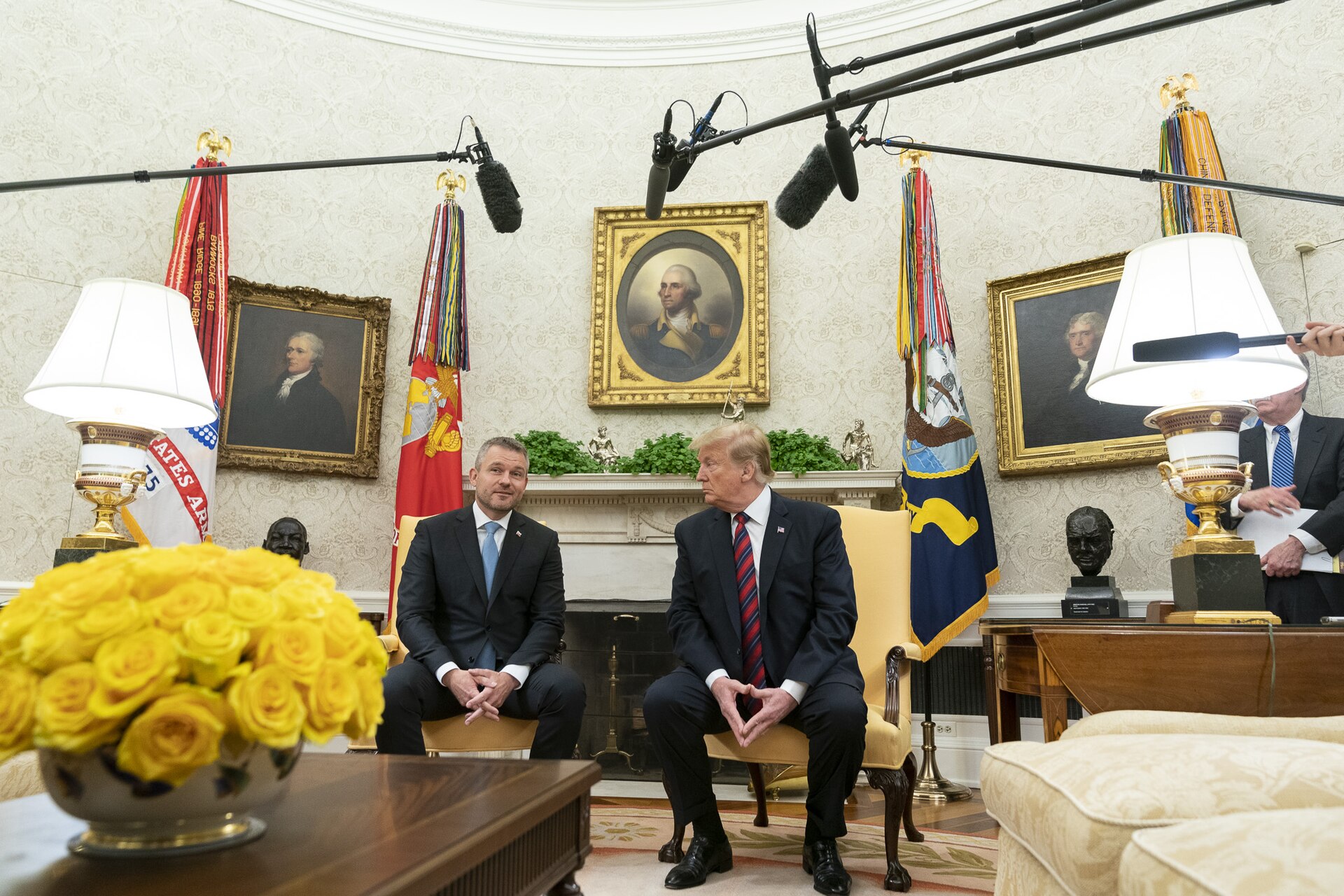
At the White House, Trump told reporters his supporters were “more in love with me today,” while acknowledging that “some people” might be unhappy. He also kept his options open, saying, “I may do it, I may not do it,” when asked about potential U.S. moves.
That uncertainty is exactly what alarms some America First voices. For years, Trump and many of his allies attacked the Iraq War and criticized the foreign-policy establishment for dragging the country into long, costly conflicts. For those supporters, even the suggestion of a new Middle East military role feels like a break with the brand.
Trump says loyalty remains intact
Trump’s answer has been to reject the premise of a serious rebellion. According to AP, he said he had “some people that are a little bit unhappy” but also “some people that are very happy,” including people outside his base.
That is classic Trump coalition management: minimize dissent, emphasize enthusiasm, and frame disagreement as temporary noise. It has worked before. Many Republican critics who once challenged him eventually returned to his orbit or softened their attacks.
But foreign policy is a more volatile issue inside MAGA than many domestic fights. Trump’s base includes national security hawks, staunch defenders of Israel, anti-intervention populists, Christian conservatives, libertarian-leaning voters and online influencers who built audiences by attacking both parties’ foreign-policy consensus.
Those groups can all support Trump in an election and still disagree sharply over Iran. The question is whether the disagreement stays tactical or becomes a larger argument over what MAGA is supposed to mean.
America First meets Israel policy
The core tension is simple: Trump has promised strength abroad, but many supporters heard that as strength without new wars. When Israel and Iran are involved, those instincts collide.
National security conservatives argue that Iran is a major threat, that Israel is a key U.S. ally, and that Trump cannot afford to look passive if Tehran escalates. In that view, deterrence may require leaving military options on the table.
Anti-intervention MAGA figures see the same posture differently. To them, talk of possible U.S. involvement sounds like the opening chapter of another conflict sold as urgent, limited and unavoidable. That is why betrayal language hits so hard: they believe Trump’s rise was powered partly by voters who were tired of being told to support wars planned by Washington insiders.
This is not a clean left-right divide. It is a fight inside the right over whether America First is a flexible slogan under Trump’s control or a binding policy promise that even Trump can violate.
Influencers expose the fault line
Several high-profile Trump-aligned or MAGA-adjacent voices have signaled discomfort. AP named Rep. Marjorie Taylor Greene, commentator Tucker Carlson and Charlie Kirk among those reminding their audiences of Trump’s promise to resist overseas military involvement.
Steve Bannon, one of Trump’s top 2016 campaign advisers, told a Washington audience that opposition to “forever wars” was a core part of Trump’s first campaign and the MAGA movement. AP reported that Bannon also suggested the movement would likely back Trump in the end, even if many disliked the decision.
Alex Jones posted a comparison that invoked former President George W. Bush, whose Iraq-era foreign policy remains a symbol of what many populist conservatives reject. Carlson, meanwhile, publicly sparred with Sen. Ted Cruz over Iran, accusing him of not knowing enough about the country while supporting aggressive policy toward it.
- For anti-intervention voices: the fear is another open-ended U.S. commitment in the Middle East.
- For hawkish Republicans: the fear is that restraint could embolden Iran and weaken Israel’s security.
- For Trump: the challenge is keeping both sides inside a coalition built around his personal authority.
Why this split is hard to measure
Online fury can look bigger than it is. A handful of influential figures can dominate social media for days without representing most Republican voters. Trump knows this, which is why he can publicly brush off dissent while still paying attention to it.
At the same time, influencers matter in Trump’s political universe. They shape the language of the base, pressure lawmakers, and provide early warnings when an issue is becoming emotionally charged. A criticism that starts on podcasts and social platforms can quickly become a test of loyalty for elected Republicans.
The word “betrayed” is especially powerful because it is not just a policy objection. It suggests a broken relationship. Trump’s appeal has always rested on the idea that he fights for supporters who feel abandoned by both parties. If those supporters begin to see him as part of the same foreign-policy establishment he once condemned, the damage could be deeper than a single news cycle.
Still, there is a competing possibility: Trump could make a decision, his critics could vent, and most of the movement could fall back in line. Bannon’s own comments, as reported by AP, captured that tension — deep discomfort, paired with an expectation that MAGA would ultimately back Trump.
What could happen next
The next stage depends on what Trump actually does. Keeping military options open is politically different from ordering a strike or expanding U.S. involvement. Rhetoric can be absorbed; action is harder to explain away.
If Trump chooses a more aggressive path, he would likely need to make a direct case to the public and to his own supporters. That case would have to reconcile two messages that are now pulling against each other: no new forever wars, but no tolerance for threats from Iran.
If he steps back, anti-intervention allies may claim they helped hold the line, while hawks may argue that pressure and ambiguity worked. Either outcome leaves the underlying MAGA divide unresolved.
The revolt against Trump is not yet proof of a mass break. It is proof that the movement’s loyalty has stress points. Iran has exposed one of the biggest: whether America First follows Trump wherever he goes, or whether Trump is expected to follow America First.
Leave a Reply