The dispute has turned a highly visible National Mall repair into a test of federal contracting, political ties and public accountability. House Oversight Democrats say the contracts were non-competitive, while key responses remain absent from the cited materials.
Robert Garcia is demanding answers over a $14 million renovation of the Lincoln Memorial Reflecting Pool. The repaired reflecting pool now shows algae and chipping paint, and Garcia is linking the work to Trump-connected contractors and questions about non-competitive contracts. The dispute centers on Green Water Solutions, Atlantic Industrial Coatings and the National Park Service, with Donald Trump’s renovation effort at the National Mall in Washington, D.C., now under House Oversight Democratic scrutiny.
The core issue is simple enough for anyone who has seen the landmark: a costly public fix appears to have visible problems. The harder question is whether those problems point to routine maintenance challenges, contractor performance failures or weaknesses in federal oversight.
A landmark repair becomes evidence
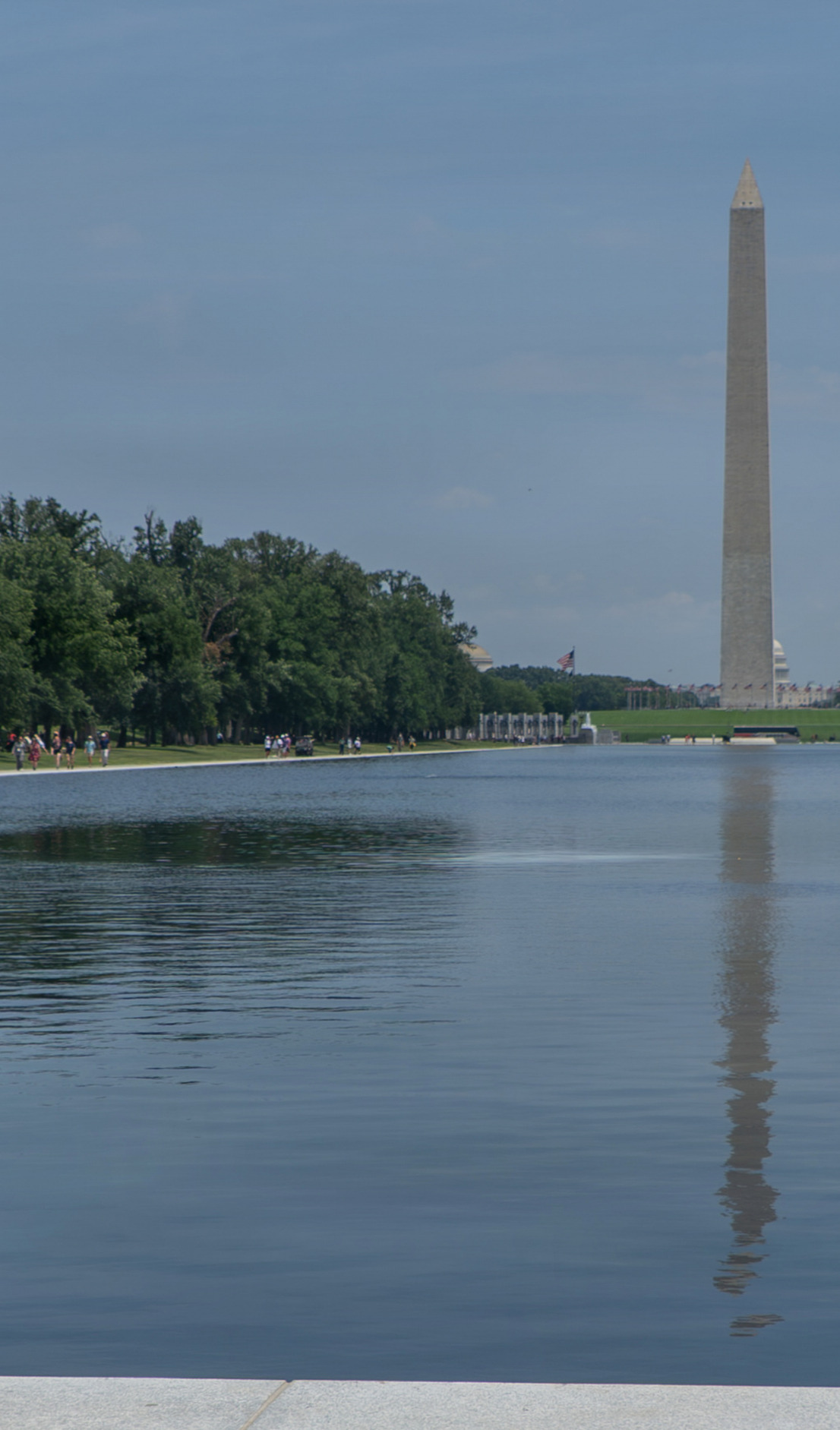
The Lincoln Memorial Reflecting Pool is not a remote infrastructure project. It is one of the most photographed civic spaces in Washington, sitting between the Lincoln Memorial and the Washington Monument.

That visibility is part of why Garcia, the top Democrat on the House Oversight Committee, is treating the condition of the pool as more than an aesthetic embarrassment. House Oversight Democrats say the taxpayer-funded work cost $14 million and is now marked by algae and peeling paint.
Garcia’s criticism is aimed at the project’s public value. In the Democrats’ release, he called the renovation a “failed vanity project” and said his side is seeking answers “straight from the contractors.”
Those are political words from a political opponent of Trump. But the documents Garcia is seeking would go to concrete issues: who was hired, how the work was evaluated, what the federal government paid for and whether the finished result met expectations.
The two firms in focus
According to House Oversight Democrats, Garcia sent letters to Green Water Solutions and Atlantic Industrial Coatings seeking information and documents related to the Reflecting Pool project.
The committee Democrats say Green Water Solutions handled the algae problem. Atlantic Industrial Coatings, they say, was hired to paint the pool.
Garcia’s office has described the work as part of President Donald Trump’s effort to improve the Reflecting Pool. The criticism from House Oversight Democrats is that the pool is now filled with algae and that paint is chipping despite the scale of the public expense.
The allegations are not yet a complete account of responsibility. The materials cited by Garcia do not include a public response from Green Water Solutions, Atlantic Industrial Coatings, the National Park Service or Trump’s representatives. Any explanation from those parties could change how the work, maintenance and contracting decisions are understood.
Why the contracts matter
The strongest oversight issue is not only whether the pool looks bad. House Oversight Democrats say the National Park Service awarded non-competitive contracts for the work, rather than using the standard competitive-bidding process typically used to compare price, qualifications and performance.
Non-competitive contracts are not automatically improper. Federal agencies can use them in certain circumstances, including urgent needs or situations where only one responsible source is available.
Still, they tend to draw scrutiny because they reduce the ordinary side-by-side comparison of vendors. When a project is expensive, public and visible, any apparent failure can make the procurement process look like part of the problem.
That is the opening Garcia is trying to press. If the contracts were justified and the defects are being addressed appropriately, the dispute may remain a partisan fight over a Trump-associated project. If records show weak vetting, loose standards or ignored warnings, the controversy could become a broader contracting case.
Political ties under scrutiny
Garcia’s letters also highlight alleged connections between the contractors and Trump’s political orbit. House Oversight Democrats say the owner of Green Water Solutions donated extensively to Trump’s campaign and Trump-linked groups, including $250,000 to the Trump Victory fundraising committee in 2020.
The Democrats also say Green Water Solutions had experience with only one other federal contract, which they described as another non-competitive award granted by the Trump administration the previous year.
Atlantic Industrial Coatings is facing a separate line of criticism. House Oversight Democrats say the company had never previously won a federal contract and had done work on pools at a Trump golf course.
Those claims do not, by themselves, establish wrongdoing. Political donations are legal, and companies with limited federal experience can still be qualified for public work. The question Garcia is raising is whether political proximity, non-competitive awards and visible defects appeared in the same project because of poor oversight or defensible procurement decisions.
The pool problems may need parsing
The most striking descriptions from Garcia’s side are physical, not procedural. His office says the new paint “flakes off in chunks” and that the water is “consumed by algae,” language used in the letters released by House Oversight Democrats.
But a serious inquiry would have to separate several possibilities. Open-air reflecting basins face heat, sunlight, rain, leaves, water chemistry issues and heavy public exposure. Those conditions can complicate both algae control and surface coatings.
If algae developed because of maintenance after completion, responsibility may differ from a case where the contractor’s system failed quickly. If paint failed because of surface preparation, materials or application, the government may have warranty, repair or payment issues to examine.
That distinction matters for taxpayers. A bad-looking pool does not automatically prove a bad contract, but it does justify asking whether the government bought a durable fix or a short-lived cosmetic repair.
The records Garcia wants
Garcia is seeking records that could clarify how the project moved from award to visible deterioration. The most important documents would likely include contract terms, scopes of work, inspection reports, payment records, warranty provisions, internal communications and emails explaining why a competitive process was not used.
Those records could help establish basic facts: who decided the firms were qualified, what alternatives were considered, when the algae and paint issues were first noticed, and whether the contracts require the companies to repair defects.
They could also answer whether taxpayers have paid the full $14 million or whether any money is being withheld while problems are addressed.
For now, the public record described by Garcia’s side is incomplete. His allegations are specific enough to demand answers, but the contractors, the National Park Service and Trump’s representatives have not been quoted in the cited materials offering their side.
A visible test of trust
The Reflecting Pool’s condition carries symbolic weight because of where it sits and what it represents. A flawed repair at a national landmark is easy to grasp in a way that procurement language often is not.
That is why Garcia’s oversight push has political force. He is tying an expensive, taxpayer-funded project associated with Trump to contractors Democrats describe as politically connected, non-competitive awards and visible signs of failure.
The fairest read is that the case is not settled. The next meaningful development would be records or responses explaining the contract choices, the workmanship, the maintenance responsibilities and any planned fixes.
Until then, the controversy leaves one central accountability question hanging over the National Mall: when a public landmark project is expensive, politically charged and visibly flawed, the government has to explain not just what went wrong, but why the process deserved public trust in the first place.
Leave a Reply