The dispute turns on a taped interview, a Senate Finance Committee report and a still-unanswered question: will CBS ever air the Epstein banking investigation?
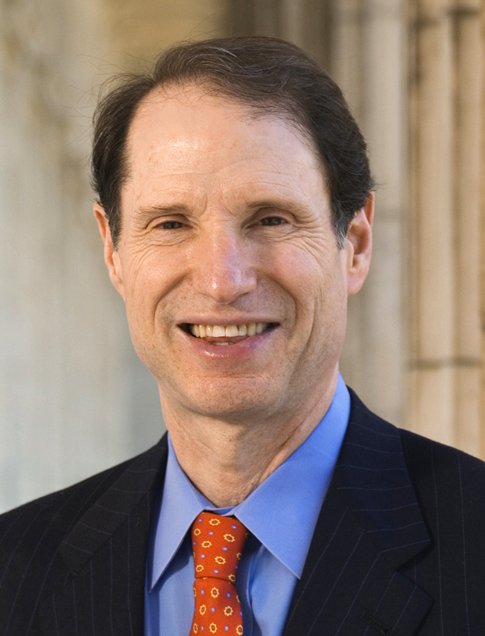
CBS News is not airing a planned 60 Minutes story about Jeffrey Epstein, and the story is under scrutiny after Sen. Ron Wyden questioned why it never aired. In an August 4 Senate Finance Committee report, Wyden said he taped an interview with former correspondent Sharyn Alfonsi for a segment on Epstein’s banking practices; the report also alleged Deutsche Bank failed to promptly disclose more than $250 million in suspicious Epstein-related transactions.
CBS News rejects the idea that the Epstein story was buried. The network says the piece was not ready before the 60 Minutes season ended, while Wyden’s report raises a sharper question: when a major news organization has reported on Epstein, Wall Street banks and suspicious financial activity, what does it owe the public about a story that remains unseen?
Wyden puts CBS on the spot
Wyden, the Oregon Democrat who is the ranking member on the Senate Finance Committee, raised the unaired interview inside a broader report on banks and Epstein-related financial activity. According to Newsweek’s account of the report, Wyden’s office pointed to page 61, where the interview with Alfonsi is described as part of a wider 60 Minutes segment.
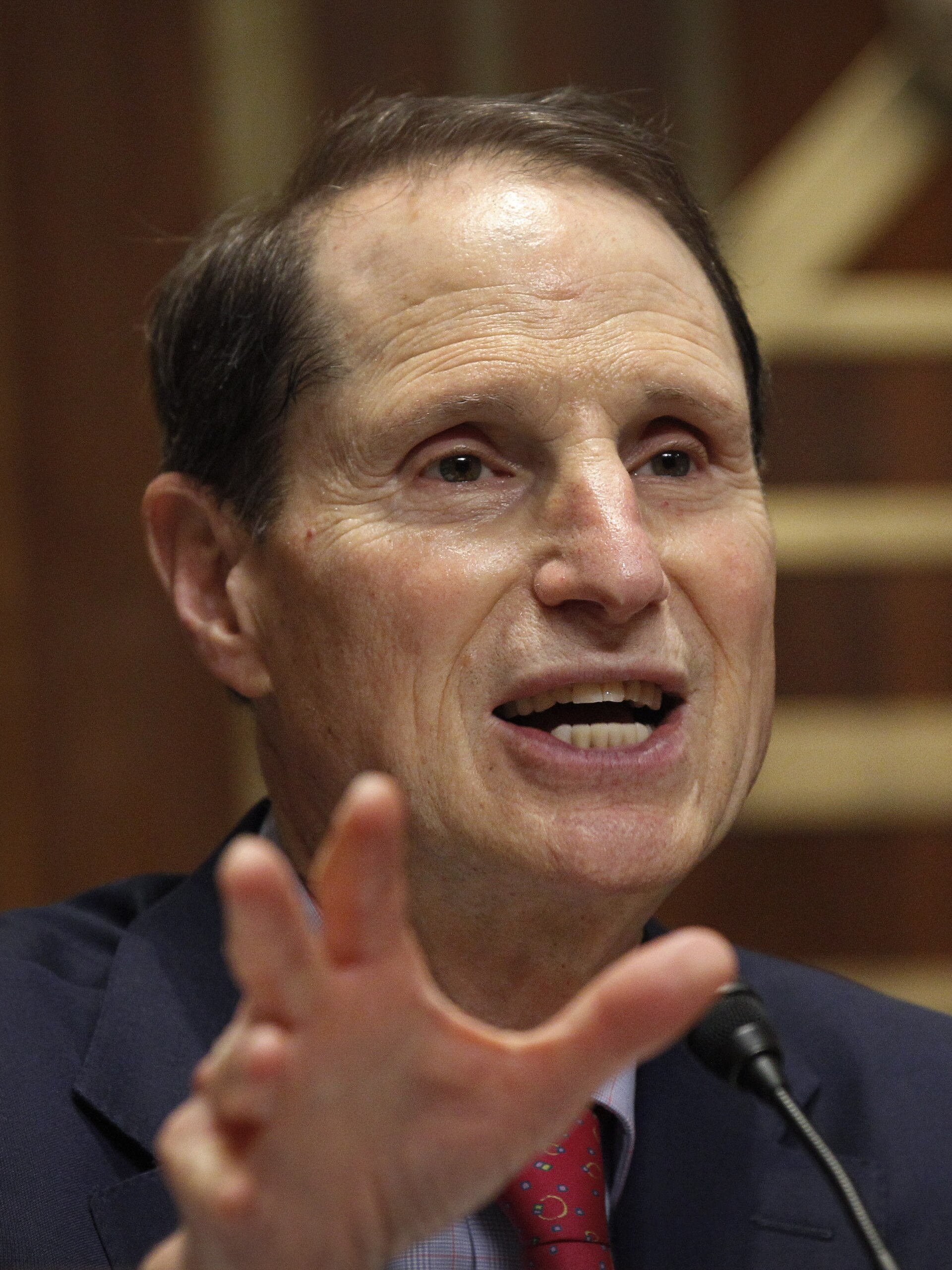
The report says the segment was expected to examine Wall Street banks, the U.S. Virgin Islands government and Epstein’s associates. Wyden’s taped interview, according to the report, was meant to feed into that broader piece.
What made the claim combustible is the word Wyden used: the interview, he alleged, had been “suppressed.” That is a serious charge in any newsroom, and especially at 60 Minutes, a program whose brand is built on aggressive investigations and institutional accountability.
CBS is not accepting that framing. A network spokesperson told Newsweek: “We air pieces when they are ready, and suggesting that an interview is being ‘suppressed’ for any reason is categorically false.”
CBS says the story was unfinished
The network’s explanation is straightforward: the segment did not air because it was not finished before the season ended in May. CBS confirmed to Newsweek that Wyden’s interview with Alfonsi happened, but said the story had not been completed.
CBS also pointed to its broader Epstein coverage, telling Newsweek it is “proud” of its “aggressive and extensive reporting on the Epstein scandal” and that its reporting continues. The network has covered Epstein’s banking network, his death, Drug Enforcement Administration scrutiny and the Epstein files, according to Newsweek.
That response matters because it separates two issues that can easily blur. One is whether CBS has covered Epstein aggressively in the past. The other is whether this particular banking segment, with this particular Senate interview, will ever be broadcast.
So far, according to Newsweek, CBS has not publicly committed to airing the Epstein banking segment in a future season. That leaves the controversy suspended between two possibilities: an ordinary editorial delay, or a story whose disappearance requires a fuller explanation.
The banking allegations driving interest
The Senate Finance Committee report is not just about television. Its larger subject is how major banks handled financial activity linked to Epstein.
According to Newsweek, Wyden’s report said the committee investigation reviewed suspicious activity reports, lawsuit materials, court filings and information requests sent to banks and the Treasury Department. The committee described the work as the result of a four-year investigation into how Wall Street banks handled Epstein-related financial activity.
The report alleged “significant evidence” that JPMorgan Chase, Deutsche Bank and Bank of America violated federal anti-money laundering laws by failing to screen and report suspicious Epstein-related transactions in a timely manner. Newsweek said it could not independently verify the claims in the report.
One of the report’s most striking allegations involves Deutsche Bank. Wyden’s report alleged the bank failed to promptly report more than $250 million in suspicious Epstein-related transactions. Bank of America was also cited in connection with roughly $170 million in alleged transactions linked to another billionaire, while JPMorgan Chase was also discussed in the report.
Banks push back on report
The financial institutions named in the report are not conceding Wyden’s conclusions. JPMorgan Chase told Newsweek it “strongly” disagreed with the report and said it was based on “many false claims contradicted by easily-found public information.”
The bank said it began flagging suspicious transactions for the government as early as 2002 and continued doing so during its relationship with Epstein. JPMorgan Chase also said it flagged transactions for law enforcement that could be related to human trafficking even after closing Epstein’s accounts.
“Every one of these reports went to the government,” the bank told Newsweek, adding that no law enforcement agency contacted the bank, requested further records or provided information that would have supported additional action by the bank.
Bank of America also pushed back. A spokesperson told Newsweek: “We take our legal and regulatory obligations seriously and, as we have previously said, the bank did not facilitate wrongdoing.” Newsweek said it also reached out to Alfonsi through her talent agency and to Deutsche Bank by email.
Alfonsi’s exit adds tension
The timing of Alfonsi’s departure from CBS News is another reason the unaired Epstein segment is drawing scrutiny. Alfonsi left the network in May after what she described in a written statement as an “intense editorial dispute” over a separate 60 Minutes story on El Salvador’s CECOT prison.
That dispute was not about Epstein, based on the available account. Still, her exit complicates the public’s understanding of the Epstein segment because she was the correspondent who interviewed Wyden for it.
For CBS, the cleanest explanation is process: investigative pieces often miss deadlines, require additional reporting, or fail to meet editorial standards before air. For Wyden and critics of the non-airing, the issue is transparency: if the piece was close enough to include a taped Senate interview, why has the network not said whether it will return?
Both positions can be true in part. Newsrooms should not air unfinished reporting merely because a source expects it. But when the subject involves Epstein, major banks and alleged failures to report suspicious transactions, silence about the fate of a high-profile segment invites suspicion.
What remains unanswered
The central unresolved question is narrow but important: will the 60 Minutes Epstein banking investigation ever air?
CBS has denied suppression and said the story was not ready. Wyden has used his Senate report to suggest the public deserves more clarity. The banks named in the report have disputed or rejected key claims. Newsweek said it could not independently verify the committee report’s allegations.
For viewers, the lesson is not to assume every unaired segment is a scandal. Television investigations routinely die for reasons that are boring, legal, logistical or editorial. But the credibility of a newsroom depends partly on how it explains decisions when the stakes are unusually high.
Until CBS makes a clearer commitment, the Epstein segment will remain a story about a story: a planned 60 Minutes investigation that did not air, a senator pressing for accountability, and a set of banking allegations still being fought in public view.
Leave a Reply