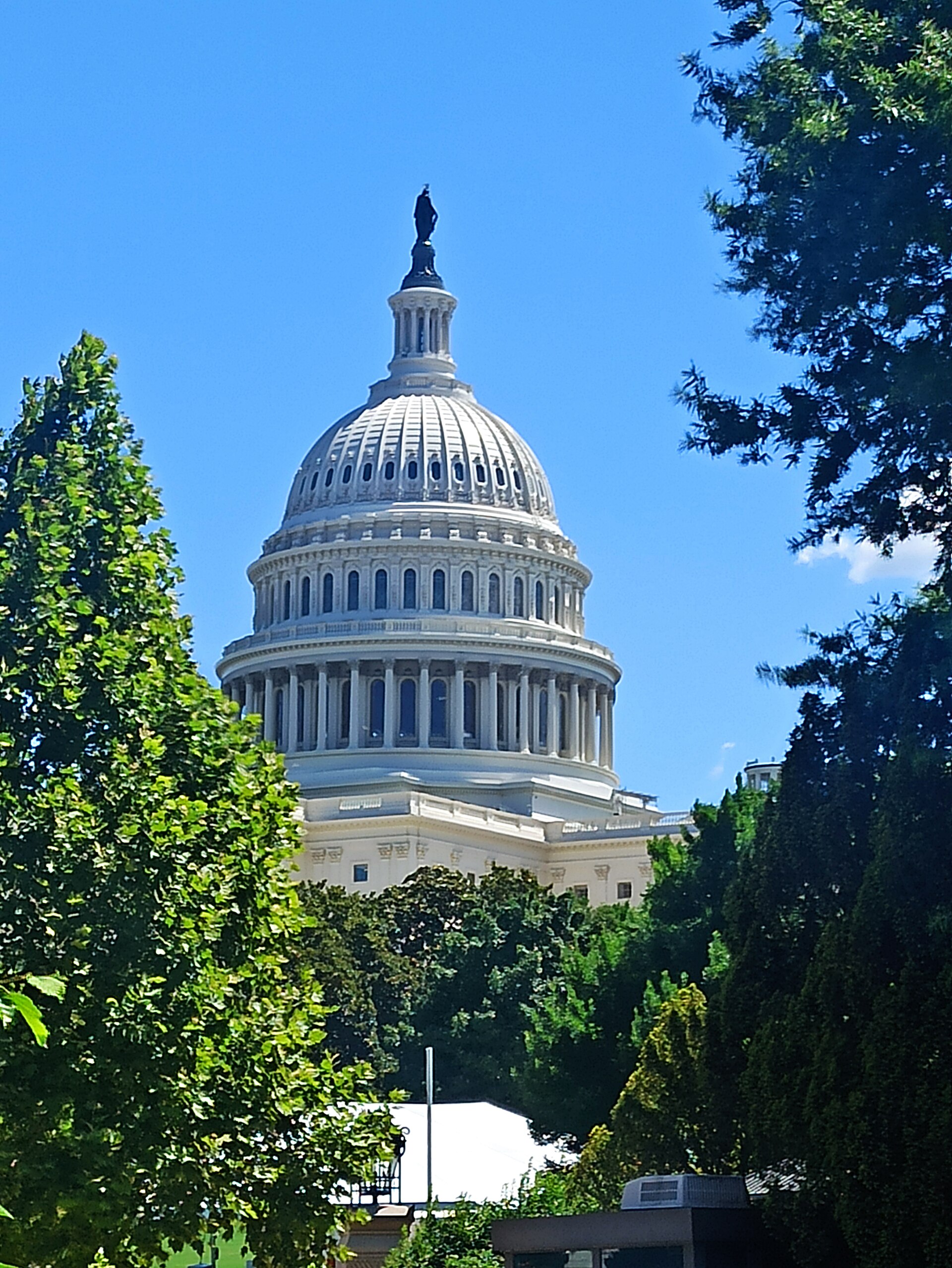
The fight is about more than one immigration order. It tests how far lawmakers are willing to go when federal judges block or limit executive action on deportation policy.
Articles of impeachment will be introduced against an Obama-appointed federal judge in U.S. Congress, according to a Just the News report surfaced on MSN, and the move follows a Temporary Protected Status decision. The article explains why the TPS ruling prompted impeachment proceedings: the judge’s order has become a flashpoint over immigration authority, judicial review and how lawmakers respond when courts slow executive policy.
Temporary Protected Status matters because it can shield eligible migrants from removal and allow work authorization when their home countries are unsafe. A court ruling affecting TPS can immediately touch deportation plans, families, employers and a White House’s immigration agenda.
The ruling became the trigger
The impeachment push is aimed at an Obama-appointed federal judge after a decision involving Temporary Protected Status, a humanitarian immigration program created by Congress and administered by the executive branch. The reported plan to introduce articles of impeachment moves the dispute out of the courtroom and into Congress, where judicial conduct, political pressure and immigration enforcement collide.

That distinction matters. A losing party in court normally appeals. Lawmakers can criticize a ruling, hold hearings, write new legislation or seek oversight of the agency involved. Impeachment is different: it accuses a federal officer of misconduct serious enough to justify removal from office.
The available report does not make the impeachment effort a completed removal process. Introducing articles is only the opening move. It can generate headlines and political momentum, but it does not itself remove a judge or overturn a ruling.
What TPS actually protects
Temporary Protected Status, usually shortened to TPS, is not the same as asylum, a green card or citizenship. The Congressional Research Service describes TPS as a statutory form of temporary relief from removal for certain foreign nationals already in the United States when conditions in their home countries make return unsafe.
Congress created TPS in 1990 and placed it in Section 244 of the Immigration and Nationality Act. The program can apply when a country faces armed conflict, a natural disaster or other extraordinary and temporary conditions that prevent safe return. TPS can also bring work authorization for eligible beneficiaries.
One of the program’s most politically charged features is that eligibility does not depend on a person having entered the United States lawfully. CRS notes that TPS may protect qualifying foreign nationals “regardless of their immigration status,” so long as they meet the program’s requirements for the relevant designation.
That is why TPS cases draw intense reactions. Supporters see the program as a limited safe-haven tool for people who cannot safely go home. Critics see repeated extensions or broad designations as a way for temporary protection to become semi-permanent without a direct vote on legal status.
Why impeachment is a high bar
Federal judges do not serve at the pleasure of Congress or the president. Article III judges hold office during “good Behaviour,” a constitutional structure designed to protect judicial independence even when their rulings anger powerful officials.
Congress still has the impeachment power. The House can impeach a federal judge by approving articles of impeachment, and the Senate then conducts a trial. Removal requires conviction in the Senate, not just outrage in the House.
The constitutional standard is “Treason, Bribery, or other high Crimes and Misdemeanors.” In practice, judicial impeachments have historically centered on alleged corruption, criminal conduct, abuse of office or serious ethical breaches, not merely unpopular legal reasoning.
That is the core tension in this case. If lawmakers argue the judge exceeded lawful authority, critics of the impeachment move will likely say that the appeals process exists for exactly that kind of dispute. If lawmakers allege something beyond a bad ruling, the details of the articles will matter more than the politics around the TPS decision.
Two powers are colliding
The fight sits at the intersection of three constitutional roles. Congress wrote the TPS statute. The executive branch decides how to designate, extend, terminate or administer TPS within the law. Federal courts review whether those actions follow statutes, regulations and constitutional limits.
Immigration law gives the executive branch broad power, but not unlimited power. Courts routinely review whether agencies followed required procedures, explained their decisions and stayed within the authority Congress granted. That is not unique to immigration; it is a basic feature of administrative law.
At the same time, immigration is one of the areas where presidents tend to claim strong authority, especially during enforcement crackdowns or humanitarian crises. When a judge blocks or limits an administration’s immigration move, supporters of the administration often describe it as judicial overreach. Opponents often call it accountability.
The planned impeachment articles turn that argument into a sharper institutional confrontation. Instead of simply saying the judge got TPS law wrong, the move suggests that the ruling itself may be treated as grounds for removal. That is a much more aggressive claim.
The politics are hard to miss
The phrase “Obama-appointed judge” is doing political work here. It ties the judge to a former Democratic president and signals to readers that the ruling is being framed through a partisan lens. That does not prove the judge ruled for partisan reasons, but it helps explain why the case is being amplified politically.
Judicial appointments have become central to immigration fights. Presidents appoint judges with lifetime tenure, and those judges later hear cases that can shape the reach of policies adopted by different administrations. That makes every major injunction or agency-law ruling a potential campaign argument.
For lawmakers pushing impeachment, the message is likely aimed at voters who believe courts have interfered too often with immigration enforcement. For defenders of judicial independence, the move may look like an attempt to intimidate judges for issuing rulings that displease Congress or the White House.
Both reactions can exist at once. It is possible to think a TPS ruling should be appealed and reversed while also rejecting impeachment as the remedy. It is also possible for lawmakers to argue that a judge’s conduct crossed a line, but that claim has to be shown in the articles, not assumed from the outcome of one case.
What happens next
The next meaningful step is the text of the impeachment articles. Specific allegations will determine whether this is mainly a symbolic protest against a TPS decision or a serious attempt to accuse the judge of misconduct beyond legal error.
After introduction, articles can be referred to committee, debated, revised, stalled or brought to the House floor. Many impeachment resolutions never become Senate trials. The political value of filing them can be separate from the likelihood of removal.
The TPS ruling itself may also continue through the normal legal track, including motions, appeals or requests for emergency relief, depending on the posture of the case. Impeachment does not automatically erase a court order or replace appellate review.
The clean takeaway is this: the TPS decision may have triggered the confrontation, but the larger question is whether Congress treats judicial impeachment as a remedy for alleged misconduct or as a weapon against immigration rulings lawmakers dislike. That line is where the real fight now sits.
Leave a Reply