The market reaction shows how quickly geopolitical risk can move energy prices. A pause in U.S.-Iran escalation took some fear out of crude, but the relief trade may not last if tensions return.
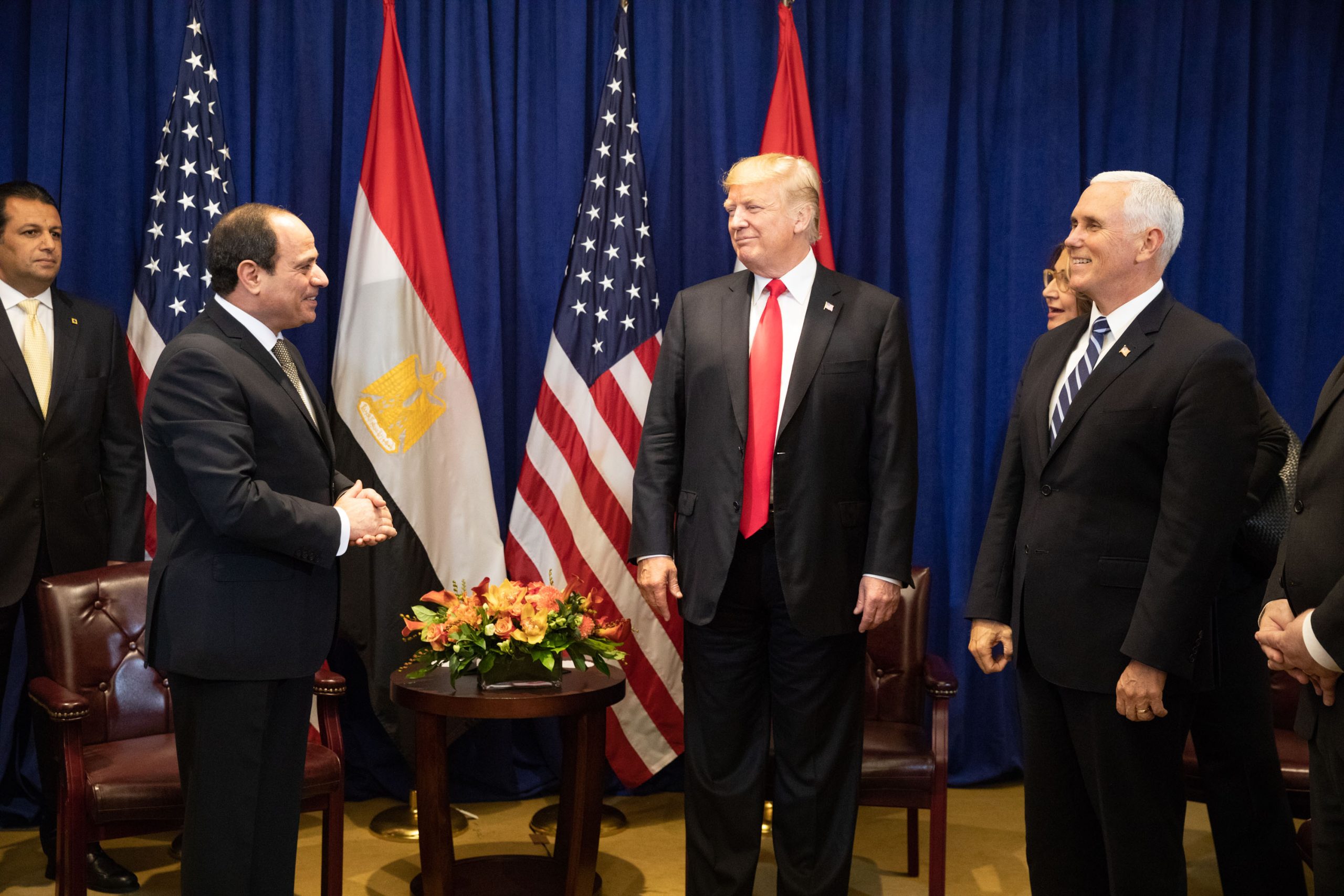
Trump delayed a planned operation involving Iran, and oil prices fell below $90 a barrel as energy markets quickly repriced the risk of a wider U.S.-Iran conflict. The move mattered because crude had been carrying a geopolitical premium: traders feared strikes, retaliation or supply disruptions in a region central to global oil flows.
Reuters reported that Brent futures settled at $87.33 a barrel, down $3.05, or 3.37%, after Trump called off threatened air strikes against Iran. The Wall Street Journal reported earlier that Brent and West Texas Intermediate both dropped sharply, with Brent at $86.69 and WTI at $84.15 in midmorning European trade.
The risk premium came out fast
Oil markets often move before anything physical happens to supply. When traders believe tankers, refineries, export terminals or shipping lanes could be threatened, crude prices can rise on the possibility of disruption alone.
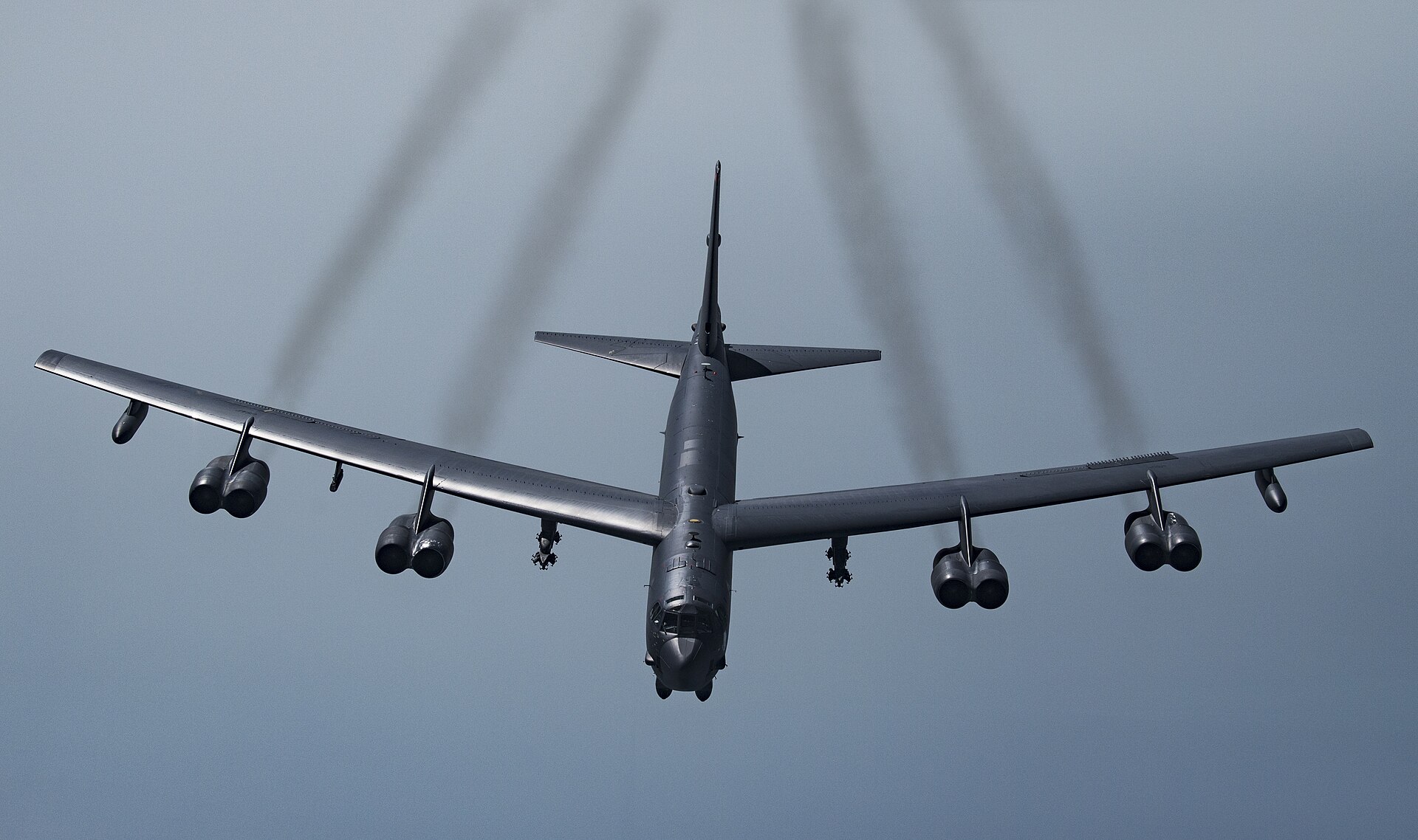
That is what made Trump’s decision so market-sensitive. A planned U.S. operation involving Iran raised the chance of escalation. A delay, cancellation or pause lowered that perceived chance, at least for the moment.
The drop below $90 did not mean traders suddenly saw the Middle East as stable. It meant the immediate fear trade weakened. When the probability of near-term military action falls, some buyers who were paying up for protection step back, and some speculators betting on higher prices unwind positions.
That can make the price move look abrupt. Crude is not just a commodity tied to barrels produced and consumed today; it is also a live measure of perceived political risk.
Why Iran moves crude markets
Iran matters to oil prices for several reasons. It is an energy producer, it sits in a region packed with major exporters, and any confrontation involving Iran can raise concern about shipping through the Persian Gulf and nearby chokepoints.
The market’s biggest worry in a U.S.-Iran crisis is rarely one isolated strike. It is the chain reaction: retaliation, attacks on infrastructure, sanctions complications, shipping disruptions, or a broader regional conflict that affects supply from multiple countries.
That is why a political signal from Washington can ripple through futures markets within minutes. Even if no barrels are lost, traders may price in the chance that barrels could become harder, slower or more expensive to move.
In this case, the signal cut the other way. Reports that Trump called off or delayed strikes reduced the odds of a near-term shock, sending crude lower.
What the numbers showed
The price action was not minor. Reuters reported Brent settled at $87.33, down 3.37%. The Journal reported Brent had dropped 4% to $86.69 in midmorning European trade, while West Texas Intermediate was down 4.1% to $84.15.
Those levels put oil under the psychologically important $90-a-barrel line. That threshold matters because it is easy for markets, consumers and policymakers to understand. Above $90, inflation and fuel-cost concerns tend to get louder. Below it, the immediate pressure looks less severe.
Still, one trading session does not settle the bigger question. Oil can fall on reduced war risk and rise again if negotiations falter, military planning resumes, or Iran signals retaliation through other means.
The Journal also reported that both major benchmarks were headed for weekly losses of around 9%, underscoring how quickly a volatile geopolitical week can reverse.
Peace hopes met caution
Part of the selloff appeared tied to Trump’s suggestion that a peace deal could be reached within days, according to the Journal. For oil traders, even the possibility of diplomacy can lower the odds of disruption and reduce the premium embedded in prices.
But markets do not treat diplomatic optimism as a guarantee. A leader’s statement can change sentiment, yet the details matter: who is negotiating, what Iran is prepared to accept, what the U.S. is willing to pause, and whether regional allies view the path as credible.
There are competing interpretations of the price drop. One view is that traders were rationally removing war risk after the immediate operation was called off. Another is that the market may be underestimating how unstable the situation remains if the underlying dispute is unresolved.
That tension is why oil’s reaction is important beyond Wall Street. It reflects a live debate over whether the latest development is a genuine off-ramp or merely a delay in a crisis that could return.
Consumers may not feel it yet
A drop in crude prices can eventually help drivers, airlines, freight companies and businesses with heavy fuel costs. But the pass-through is not instant.
Gasoline and diesel prices depend on refining margins, taxes, inventories, seasonal demand and local supply conditions. A one-day or even one-week crude decline may not show up immediately at the pump, especially if refiners are dealing with maintenance, weather disruptions or strong summer travel demand.
For consumers, the key is whether oil stays lower. If Brent remains below $90 and the geopolitical premium keeps shrinking, fuel prices have more room to ease. If the U.S.-Iran standoff heats up again, the relief could disappear quickly.
That is why energy prices are both an economic story and a foreign-policy story. Decisions made in Washington and Tehran can affect household budgets through a chain that runs from military planning to futures markets to refineries to gas stations.
The unresolved question
The most important unknown is whether Trump’s delay represents a strategic pause, a diplomatic opening, or a temporary tactical decision. Those are very different outcomes for energy markets.
If it is a diplomatic opening, crude could remain under pressure as traders price in lower disruption risk. If it is only a pause before another operation, prices could snap back above $90 on renewed fears of escalation.
The market has already delivered its first verdict: less immediate war risk means cheaper crude. But that verdict is provisional. Oil traders will be watching for confirmation from U.S. officials, Iranian responses, military movements, and any signs that a deal is becoming more than rhetoric.
For now, Trump’s Iran decision has taken some heat out of oil. It has not removed the source of volatility.
Leave a Reply