A hawkish Fed message can clash with a rising stock market, and that tension is now back in focus. Investors are weighing inflation, rate-cut hopes and the risk that history repeats in uncomfortable ways.
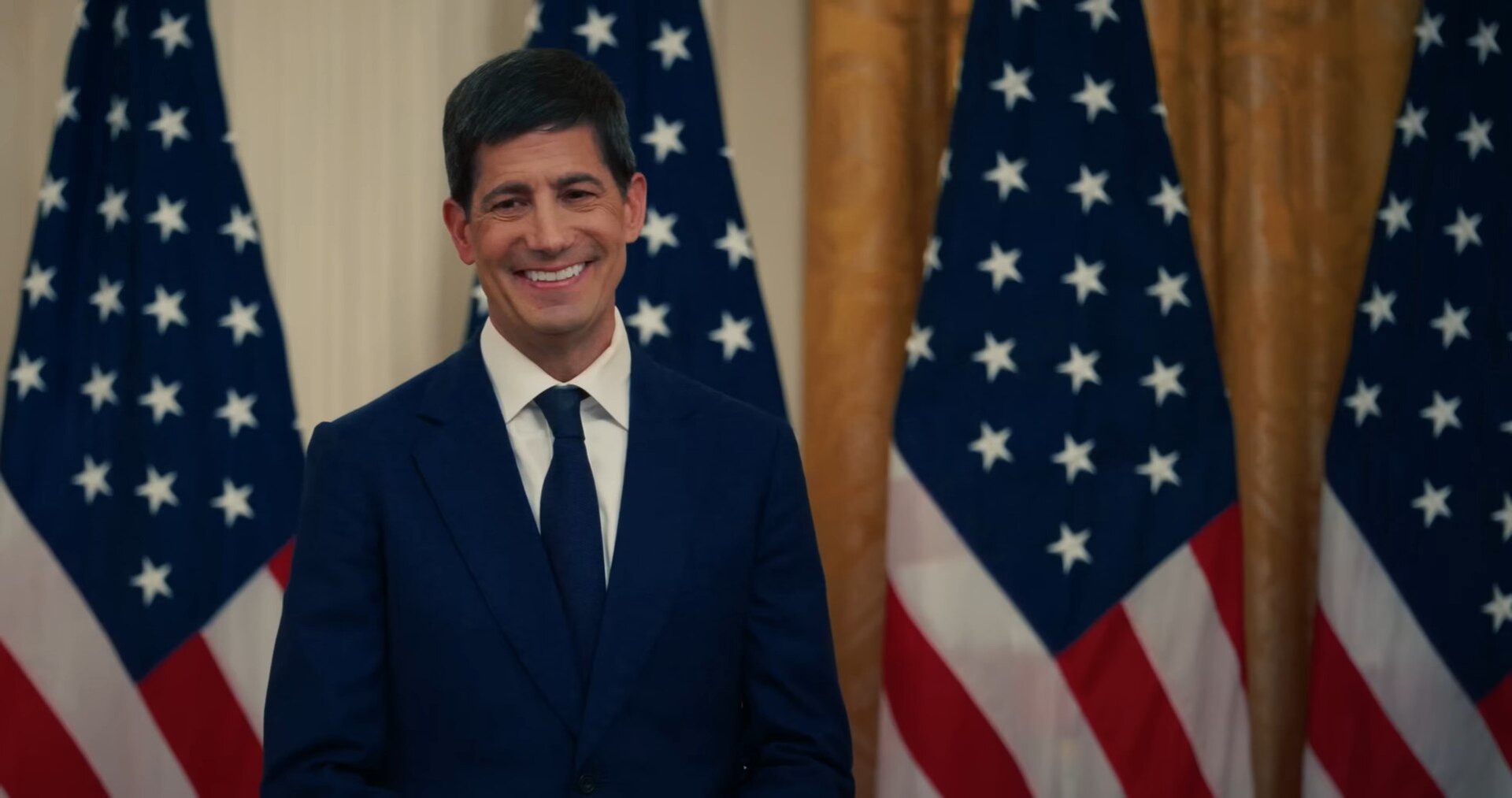
Kevin Warsh issued a warning to Wall Street as Federal Reserve chair, and the 11-word message was plain: inflation still comes first. This article explains what the warning means for interest rates and markets, then looks at history to show what may come next after a Fed leader signals that policy may stay tight.
According to The Motley Fool’s report on Warsh’s recent congressional testimony, the Federal Reserve chair stressed the central bank’s intolerance for persistently elevated inflation and its commitment to restoring price stability. For investors, the takeaway is not subtle: the Fed may not be ready to deliver the lower-rate environment Wall Street has been pricing in.
The warning inside the testimony
The line getting attention was Warsh’s statement that members of the Federal Reserve’s policy committee have “no tolerance for persistently elevated inflation.” He also said officials share a “resolute commitment to restoring price stability,” according to the report.
That is central-bank language, but it carries real market weight. When a Fed chair emphasizes inflation tolerance rather than growth worries, investors typically hear a message about policy staying restrictive for longer.
The context matters. The report says Warsh recently made his first semiannual congressional testimony appearance since becoming Federal Reserve chair two months ago. Those hearings are closely watched because lawmakers ask about jobs, prices, credit conditions and political pressure, while markets search for clues about the next policy move.
Warsh also reiterated the Fed’s independence from political influence. That point lands at a sensitive moment because the report notes speculation that President Trump nominated Warsh with an expectation that he would move toward lower rates sooner rather than later.
Why inflation still dominates
The Fed’s inflation target is 2%, and the report says the Consumer Price Index rose 3.5% year over year in June. That gap is the heart of the issue. Inflation has cooled from its worst period, but it has not returned to where the Fed wants it.
Shelter and food costs remain especially important because they are visible to households and politically difficult to ignore. A stock trader may focus on monthly inflation momentum, but families tend to judge inflation by rent, groceries and everyday bills that rarely feel like they are moving backward.
For the Fed, the fear is not only that prices are high. It is that inflation expectations could become harder to manage if officials appear too eager to cut rates before the job is finished.
That is why Warsh’s wording matters. A chair who says the committee has no tolerance for persistent inflation is not promising rate hikes. But he is also not inviting markets to assume easy money is just around the corner.
Wall Street is not panicking
The surprising part is that markets have not treated the message as a major threat. The Motley Fool report says the S&P 500 had climbed 10% in 2026 as of July 22, even as the Fed signaled that interest rates may not fall soon.
That disconnect is familiar. Equity investors can look past hawkish Fed language when earnings are strong, enthusiasm around technology is high, or traders believe the central bank will eventually soften its stance if the economy slows.
There is also a practical reason stocks can rise during a higher-rate period: markets move on expectations, not just current policy. If investors believe inflation will keep easing, they may buy stocks before the Fed actually cuts.
Still, that optimism has limits. Higher-for-longer rates can pressure corporate borrowing costs, weigh on housing, make bonds and cash more attractive, and reduce the present value investors assign to future profits. Those pressures do not always hit all at once, but they can build beneath the surface.
What history suggests next
History does not offer a mechanical answer, but it does offer a pattern: the Fed usually needs sustained evidence before it pivots away from an inflation-first stance. One soft inflation report is rarely enough. A clear trend is what changes policy.
The 1970s remain the warning case for central bankers. When the Fed eased too soon during inflationary periods, price pressures returned and forced tougher action later. That experience still shapes how officials talk when inflation is above target.
There are more favorable examples. In the mid-1990s, the Fed managed a tightening cycle without causing a deep recession, and stocks ultimately performed well. That history supports the bullish argument that a strong economy can absorb restrictive policy if inflation cools in an orderly way.
But investors also remember that rate cuts are not automatically bullish. In 2001 and 2007, the Fed cut rates because economic and financial stress was worsening. The first cut in a cycle can be a relief signal, or it can be a sign that something has already broken.
The rate-cut debate
The report points to CME Group’s FedWatch tool showing a 90% probability that the federal funds rate will be higher at the end of the year. That is a notable market signal because FedWatch reflects how traders are pricing probabilities in rate futures.
If those expectations hold, the near-term path is not a dramatic easing cycle. It is a Fed that either keeps rates elevated or moves more cautiously than rate-cut bulls would prefer.
The case for patience is straightforward: inflation remains above target, the stock market is strong, and cutting too early could undermine the Fed’s credibility. From that perspective, Warsh’s message is a necessary reminder that price stability is still the mandate driving policy.
The case for flexibility is also real. Monetary policy works with delays, and keeping rates high for too long can eventually slow hiring, pressure small businesses and tighten credit. If inflation drops faster than expected, the Fed would have room to change course.
What could change the Fed’s mind
Several forces could alter the outlook. The report mentions conflict in the Middle East as a source of uncertainty because energy prices can feed into inflation. A jump in oil prices would make the Fed’s job harder, even if other categories cooled.
Productivity is the more optimistic variable. If advances in artificial intelligence raise output and efficiency, some companies could lower costs or expand margins without raising prices as aggressively. That could help inflation cool without a severe economic slowdown.
But those benefits are difficult to measure in real time. The Fed typically acts on data it can verify, not on hoped-for productivity gains. That is another reason rate cuts may take longer than investors want.
The clean takeaway for Wall Street is that Warsh’s Federal Reserve is not treating inflation as yesterday’s problem. Stocks can keep rising despite that, but history says markets are most vulnerable when they assume the Fed will rescue them before the data gives it permission.
Leave a Reply