
Authorities say a dayslong Kappa Alpha Psi hazing ritual near Miami involved repeated beatings with canes and paddles. The Secret Service says the agent has been placed on administrative leave while the investigation continues.
A Secret Service agent was charged in a hazing case in South Florida after prosecutors said the hazing involved canes and paddles and a victim suffered kidney failure and nearly died. Marquez Christopher Pinder, 29, a Secret Service agent in Florida, and two other people charged in the case — Jared Lamar James, 26, and Elijah Delano Dyous, 29 — were arrested in connection with an alleged dayslong Kappa Alpha Psi fraternity ritual near Miami.
The Secret Service placed Pinder on administrative leave and said it is fully cooperating with investigators, according to NBC News and local prosecutors. The case matters beyond one fraternity chapter because prosecutors describe conduct that moved from initiation ritual to alleged violent crime, with injuries severe enough to require extensive medical treatment.
Arrests follow dayslong ritual
Pinder, James and Dyous were booked on suspicion of attempted manslaughter with a deadly weapon, aggravated battery with a deadly weapon and hazing with a deadly weapon, according to the Miami-Dade State Attorney’s Office.
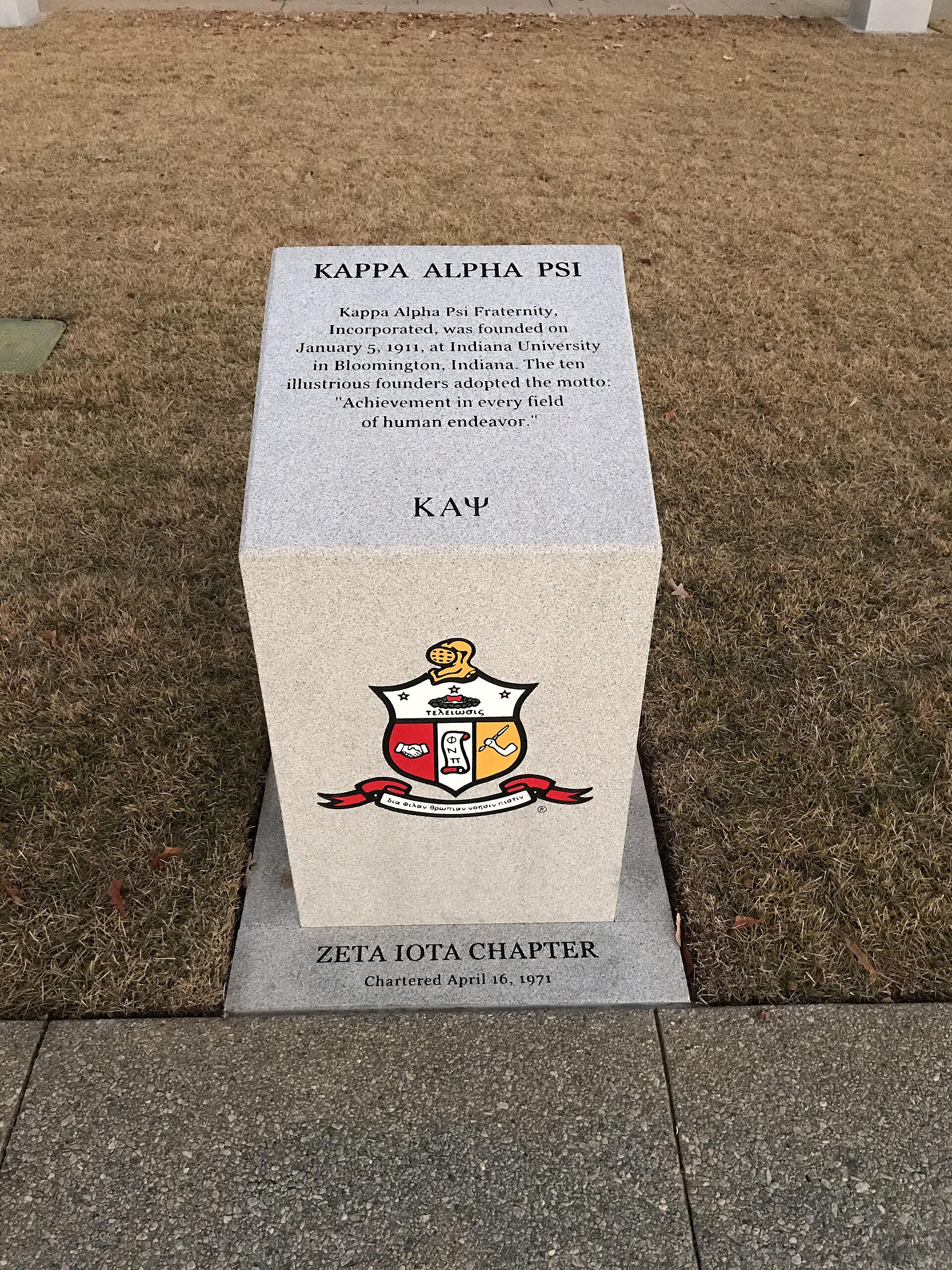
The alleged hazing began April 1 inside an apartment in Sweetwater, Florida, prosecutors said. Authorities allege it continued there on April 2 and April 3, then moved on April 4 to a residence in unincorporated Miami-Dade County.
The victims were identified in an arrest warrant only as Victim 1 and Victim 2. Investigators said the pledges were subjected to severe beatings during the alleged ritual, which authorities linked to Kappa Alpha Psi activity connected to the University of Miami area in Coral Gables.
Pinder held the title “dean of pledges” for the fraternity, according to the warrant cited by NBC News. Officials have not publicly explained how Pinder, who is not described as a current student, came to hold that role.
Beatings tied to wrong answers
Prosecutors said the alleged hazing involved prolonged and repeated beatings with canes and paddles. The stated trigger, according to the prosecution account, was failing to correctly answer questions about the fraternity.
That detail is central to why the case is being treated as more than a campus-discipline matter. Authorities allege the punishment was organized, repeated and physically extreme, rather than a single confrontation or spontaneous assault.
The arrest warrant was written by Sweetwater police Detective Kevin Espinosa and Miami-Dade County Sheriff’s Detective Alejandro Venturin, according to NBC News. The document describes a pattern of injuries that investigators say matched the account provided by one victim.
As with any criminal case, the allegations remain unproven unless established in court. It was not immediately clear from the available reporting whether Pinder, James or Dyous had hired or been assigned attorneys to speak for them.
Injuries went beyond bruises
The most serious injuries described by authorities involved Victim 1. The warrant said the victim needed extensive skin grafts to his backside after tissue was blackened by necrotic skin or tissue, according to NBC News.
Prosecutors said that victim suffered kidney failure that could have been fatal. The warrant also said the victim continues to suffer extreme pain and discomfort, and that mobility and quality of life have been significantly affected.
Victim 2 told investigators he was not a hazing victim, according to officials cited by NBC News. But the warrant says he acknowledged seeking medical care in April for injuries to his backside.
Investigators said Victim 2’s external and internal injuries mirrored those suffered by Victim 1 and were consistent with Victim 1’s statement that Victim 2 also had been subjected to severe beatings. That conflict — a denial from one alleged victim alongside medical evidence investigators say points the other way — may become a major issue as the case moves forward.
Secret Service distances agent
The Secret Service response was swift but limited. Special Agent in Charge Michael Townsend, who runs the agency’s Miami field office, said Pinder was placed on administrative leave and that the agency is fully cooperating with the investigation.
Administrative leave is not the same as a finding of guilt. It does signal that the agency views the allegations as serious enough to remove the employee from regular duty while authorities investigate.
The case also puts the Secret Service in an uncomfortable public position. The agency is best known for protecting presidents, vice presidents and other high-level officials, and its employees carry the credibility of federal law enforcement even when they are off duty.
That is why the employment detail matters. Prosecutors are not alleging an on-duty Secret Service operation; they are alleging private conduct tied to a fraternity setting. But the public-trust question is unavoidable when a federal agent is accused of participating in violence serious enough to prompt attempted manslaughter and aggravated battery allegations.
Fraternity says suspects lacked authority
Kappa Alpha Psi’s national leadership rejected any suggestion that the accused men were acting with official authorization. National president Jimmy McMikle told NBC News that the suspects are not current students and have no authority to act in fraternity affairs.
McMikle said Kappa Alpha Psi is a non-hazing fraternity and does not condone or tolerate hazing behavior within the organization or from its membership. He also said the men do not have an official affiliation with any chapter or any official role with the organization.
The fraternity said it has cooperated and will continue cooperating with law enforcement. That position sets up a familiar tension in hazing cases: national organizations often say violent initiation practices violate their rules, while prosecutors examine who had influence over pledges and whether a local culture allowed the conduct to continue.
For students and families, that distinction may feel unsatisfying. A national ban on hazing only matters if local actors cannot operate under the fraternity’s name or traditions while claiming informal authority over new members.
What prosecutors still must prove
Miami-Dade State Attorney Katherine Fernandez Rundle framed the case as part of a broader problem with hazing. She said conduct sometimes defended as tradition or brotherhood can leave victims in graves and hospital beds.
That argument is likely to shape the prosecution’s public case: the alleged ritual was not harmless bonding, prosecutors say, but a criminal sequence of beatings that nearly killed one person. Defense attorneys, once identified, may challenge intent, participation, causation, the credibility of witness accounts or how each suspect is tied to specific injuries.
All three suspects were in custody Monday, NBC News reported. The next key developments will be court appearances, attorney filings and any additional details prosecutors release about the evidence behind the charges.
For now, the confirmed facts are stark: a 29-year-old Secret Service agent is on administrative leave, two other men are charged alongside him, and authorities say a fraternity hazing ritual near Miami escalated into repeated beatings with canes and paddles that left a victim with kidney failure and lasting injuries.
Leave a Reply