
The missing-and-restored image became a flashpoint because the Justice Department has not explained why at least 16 Epstein-related files temporarily disappeared. The episode adds to frustration over a disclosure process critics say is still incomplete.
A photo of Donald Trump was removed from Epstein files and later reappeared after the Justice Department took down Epstein-related files from a public DOJ webpage, according to Reuters and the Associated Press. At least 16 files tied to Jeffrey Epstein disappeared from the site, in New York-centered reporting, as questions about transparency and file handling grew.
The image’s return did not settle the larger issue. The Justice Department has not publicly explained why the files vanished, and that silence has turned a single Trump photo into a broader test of whether the Epstein records release is being managed with enough public accountability.
The image that disappeared
The file at the center of the dispute included a photograph of Trump seen inside a drawer among other photos, according to the AP report published by PBS NewsHour. The image also showed Jeffrey Epstein, Melania Trump and Ghislaine Maxwell.
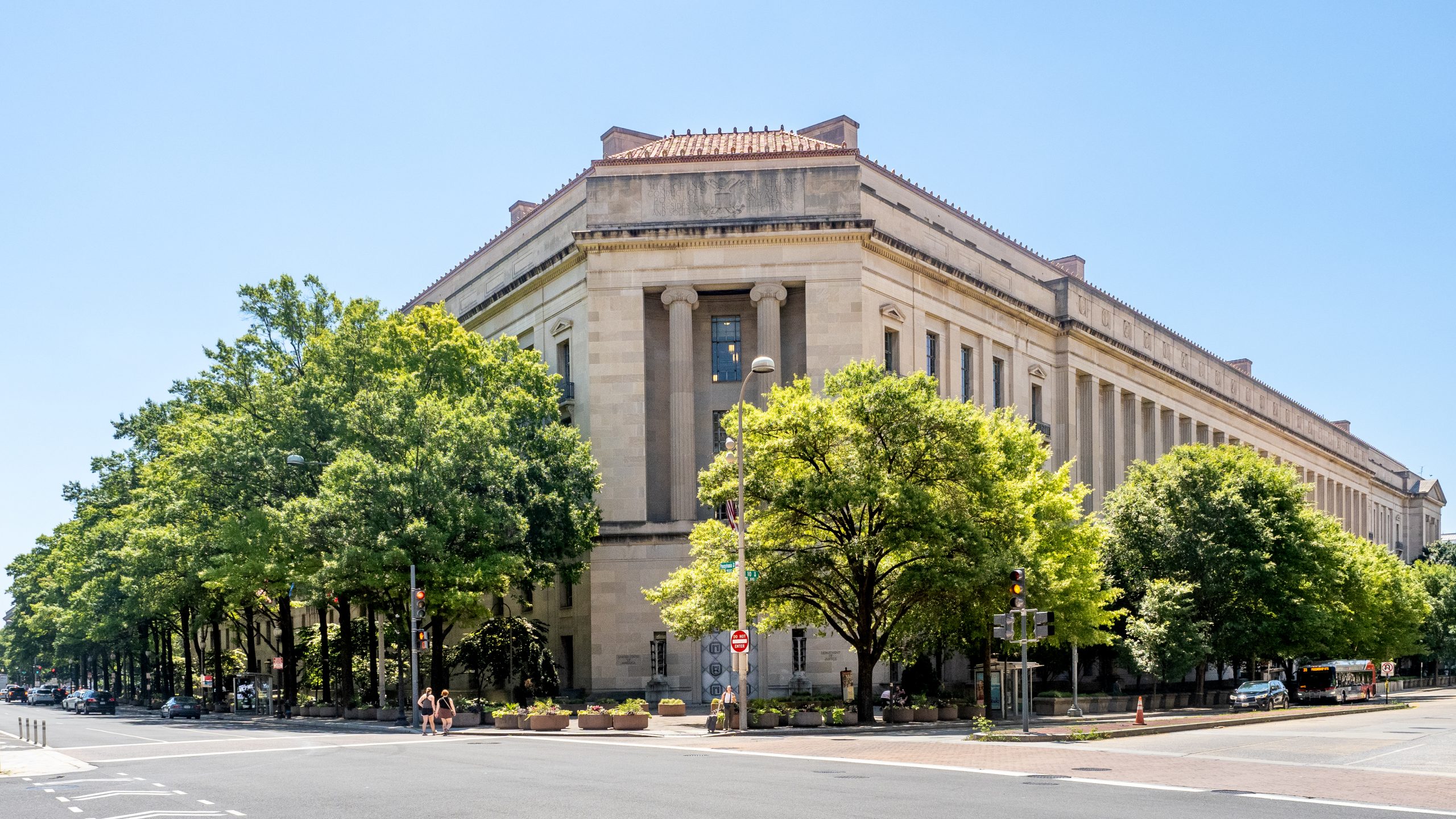
The file was among records that were available on a Justice Department webpage on Friday and no longer accessible by Saturday, the AP reported. Reuters later reported that the Justice Department restored the Trump photo to the public database of Epstein files.
That sequence — posted, removed, restored — is why the story has moved beyond the contents of one image. The question now is not only what the files show, but how the government is controlling public access to them.
The photograph itself is not evidence of criminal conduct. Both Trump and other prominent figures have long been scrutinized over past associations with Epstein, but the AP noted that neither Trump nor Bill Clinton has been accused of wrongdoing in connection with Epstein and that there was no indication the photos played a role in the criminal cases against him.
Why the files were taken down
The short answer is that the Justice Department has not said why at least 16 files disappeared from the public page. The AP reported that the department did not say whether the removal was intentional, and that a spokesperson did not immediately respond to a request for comment.
That absence of explanation is the core transparency problem. Government document releases often involve redactions, corrections and technical fixes, especially when victim information or sensitive investigative material may be involved. But when files are removed without notice, the public is left to guess whether the change was routine, accidental or substantive.
The Justice Department has offered a separate explanation for why the broader Epstein release is unfolding slowly. According to the AP, the department said it planned to release records on a rolling basis and blamed delays on the time-consuming work of obscuring survivors’ names and other identifying information.
That may explain the pace of future releases. It does not, at least so far, explain why files that had already been posted disappeared from public view and then, in the case of the Trump image, reappeared.
A release that disappointed critics
The files were part of a long-awaited disclosure connected to Epstein, whose crimes and connections to wealthy and powerful people have fueled years of public scrutiny. Congress had set a Friday deadline for making records public, according to the AP, but the Justice Department said the release would continue in stages.
The first batch included tens of thousands of pages, but critics said it offered limited new insight into the most consequential questions. The AP reported that some closely watched materials were missing, including FBI interviews with survivors and internal Justice Department memos on charging decisions.
Those records matter because they could help explain how investigators and prosecutors handled Epstein’s case before he was charged federally in 2019. Epstein had previously reached a 2008 deal in Florida that allowed him to plead guilty to a state-level prostitution charge, an outcome that has been widely criticized as too lenient.
The newly released materials did include images from Epstein’s properties in New York City and the U.S. Virgin Islands, along with photos of celebrities and politicians. But for people seeking a fuller account of institutional decisions, the release so far appears incomplete.
Politics filled the silence
Once the files vanished without explanation, political reaction moved quickly. Democrats on the House Oversight Committee pointed to the missing image featuring Trump in a post on X and asked, “What else is being covered up?” according to the AP.
That framing reflects a broader fight over the Epstein files: one side sees every omission or delay as a possible sign of selective disclosure, while officials can point to privacy obligations and redaction rules as reasons for caution.
Both concerns can be true at once. Survivors’ identities and sensitive personal details should not be exposed through a rushed document dump. But the government also owes the public a clear audit trail when files appear, disappear and return.
The problem for the Justice Department is that silence creates its own narrative. When there is no notice, no changelog and no explanation, even ordinary document-management decisions can look suspicious.
What the photo does not prove
The restored Trump image should be understood carefully. A photograph showing Trump in proximity to Epstein-related materials is not proof that Trump participated in Epstein’s crimes or had knowledge of them.
Epstein was known to socialize with public figures, business leaders, politicians and celebrities. Many people photographed with him have denied wrongdoing, and the presence of a person in a social image does not establish involvement in criminal conduct.
That distinction matters because the Epstein case sits at the intersection of real crimes, institutional failures and online speculation. Survivors have described abuse and failures by authorities; at the same time, unsupported claims can distort the record and make it harder to focus on documented facts.
The more serious issue raised by the missing files is procedural. If the Justice Department is releasing records under congressional pressure and public demand, it needs to make clear what has been posted, what has been withheld, what has been removed and why.
What remains unclear now
The restored photo answers only one narrow question: the image is back in the public database, according to Reuters. It does not answer whether all of the other missing files have returned, why they disappeared, or whether similar removals may happen again.
Several larger questions remain unresolved:
- Why did at least 16 Epstein-related files disappear from the DOJ webpage after being posted?
- Were the removals intentional, technical or related to redactions?
- Will the Justice Department provide a public log of changes to the database?
- When will records such as survivor interviews and internal charging memos, if releasable, be made public?
For Epstein survivors and lawmakers who pushed for disclosure, the concern is that a release advertised as transparency could become another drawn-out process with gaps the public cannot evaluate.
The Justice Department may still provide an explanation that resolves the file-handling questions. Until it does, the disappearance and return of the Trump photo will remain less a story about one image than about trust in the release itself.
Leave a Reply