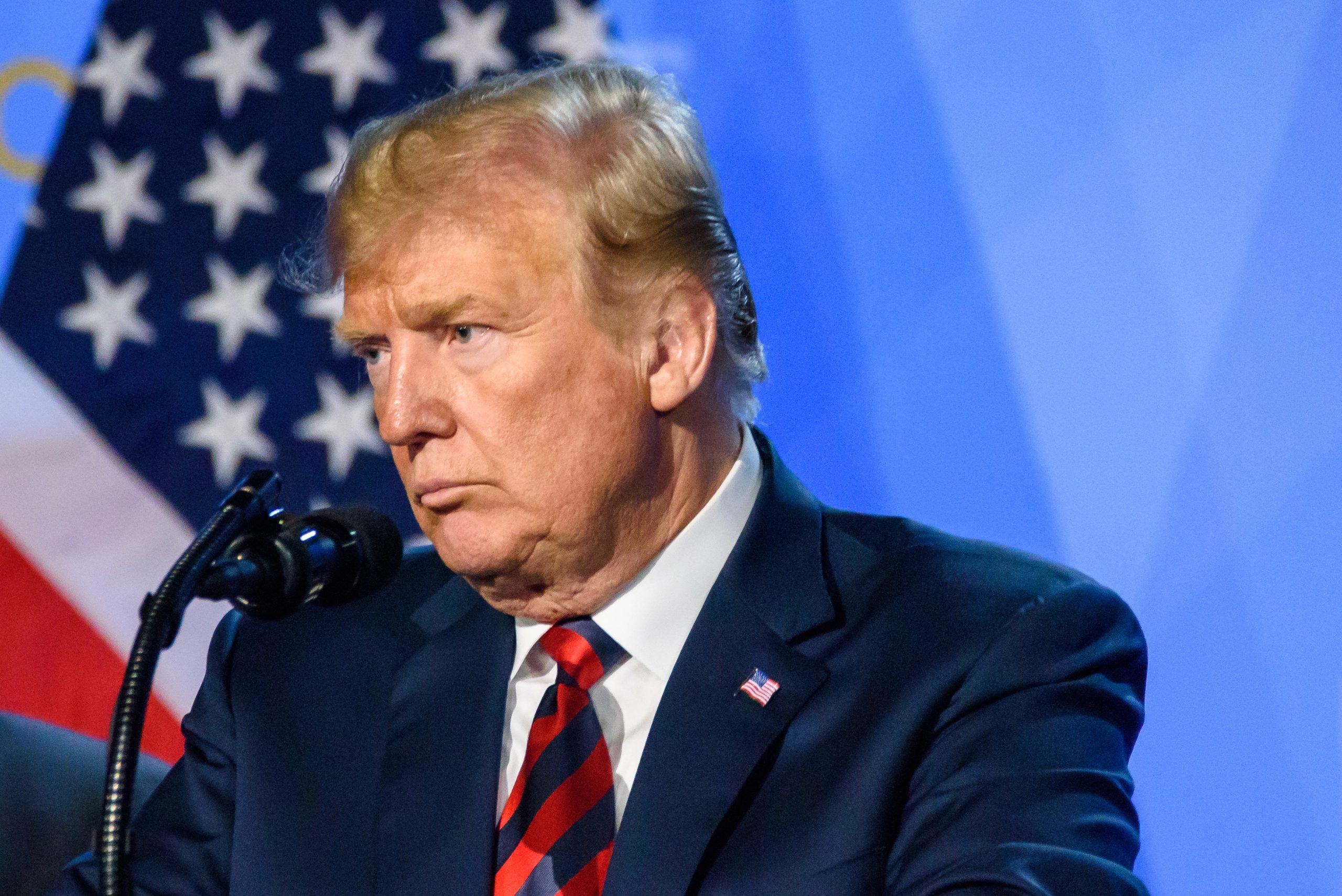
The 218-214 vote shows how Republicans are trying to turn Trump’s domestic agenda into law while navigating fights over health coverage, food aid and federal debt.
House Republicans passed H.R. 1 in Washington early Thursday, approving a 218-214 U.S. House of Representatives vote that pushed Donald Trump’s tax-and-spending package through Congress; the vote came before a July 4 deadline Trump set. The bill pairs Trump tax cuts with safety-net reductions, including roughly $4.5T in tax cuts alongside changes affecting Medicaid, food stamps, border security and other programs.
The narrow margin tells the story: Republicans used their slim majority to move a signature governing package while Democrats and some GOP skeptics warned that the price tag and program cuts will land far from Capitol Hill.
A deadline became leverage
Trump’s July Fourth target was not just a scheduling preference. It became a pressure device for Republican leaders trying to keep a fragile coalition together through late votes, procedural fights and public dissent from within their own party.
The package, branded by Republicans as the One Big Beautiful Bill Act, moved after a late Senate fight and then cleared the House by only four votes. That is not the margin of a party casually passing routine legislation. It is the margin of leaders counting noses, leaning on holdouts and betting that speed would beat hesitation.
According to reporting cited in the source material, Senate Republicans first cleared a key procedural hurdle 51-49 after stalled voting and private negotiations. Vice President JD Vance was at the Capitol in case he was needed to break a tie, a sign of how little room GOP leaders had for defections.
That pressure carried into the House. For supporters, the fast timeline showed discipline around the agenda voters endorsed. For critics, it reinforced the complaint that a sprawling bill was being rushed before the public could fully absorb its consequences.
The tradeoff inside H.R. 1
At the center of H.R. 1 is a Republican promise to prevent expiring Trump-era tax provisions from turning into tax increases for households and businesses. GOP leaders framed the bill as a way to preserve growth, keep taxes down and deliver campaign pledges.
The same package also shifts money and authority toward immigration enforcement and border-related priorities. That includes funding tied to deportation capacity and national security goals central to Trump’s second-term agenda.
The other side of the ledger is where the fight sharpens. The bill uses reductions or tighter rules in domestic programs to help pay for the tax and enforcement priorities.
- Tax policy: preserving Trump-era cuts and adding politically popular ideas such as no taxes on tips.
- Border security: expanding funding for enforcement and deportation efforts.
- Safety-net programs: reducing or reshaping Medicaid, food stamps and related assistance.
- Energy policy: rolling back parts of clean-energy support opposed by many Republicans.
- Federal debt: pairing the package with a $5 trillion debt-limit increase that angered some fiscal conservatives.
Medicaid drove the backlash
The most explosive policy fight involved Medicaid. The nonpartisan Congressional Budget Office warned that the Senate version would increase the number of people without health insurance by 11.8 million in 2034, a figure Democrats seized on as evidence that the bill’s tax benefits came at too high a social cost.
Medicaid is not a distant budget line in many states. It pays for care for low-income families, people with disabilities, older Americans in long-term care and patients in rural areas where hospitals already operate on thin margins.
That is why Sen. Thom Tillis of North Carolina became such a visible Republican dissenter. He opposed moving the bill forward after warning about Medicaid cuts and their potential effect on people in his state.
His objection exposed a problem for Republicans from swing states or places heavily dependent on federal health dollars. Cutting spending can sound clean in Washington. The local version can mean hospitals under strain, families losing coverage or state budgets forced to fill gaps.
Debt worries split conservatives
Not every Republican critic thought H.R. 1 cut too much. Sen. Rand Paul of Kentucky opposed the package from the opposite direction, objecting to the $5 trillion debt-limit increase and arguing that the bill did not do enough to restrain borrowing.
That split matters because it shows the squeeze GOP leaders faced. Moderates and state-focused Republicans worried about real-world cuts to Medicaid and food assistance. Fiscal hawks worried the legislation still left Washington spending and borrowing too much.
Those factions were temporarily pulled together by Trump’s deadline and the promise of tax-cut preservation. Whether that unity holds when agencies implement the changes is a separate question.
Deficit concerns are likely to linger. Supporters argue that tax stability and growth can soften the fiscal hit, while critics point to the debt-limit increase and warn that the bill shifts costs to future taxpayers.
Democrats targeted process and priorities
Democrats attacked H.R. 1 on two fronts: what it does and how quickly Republicans pushed it. Senate Democratic leader Chuck Schumer accused Republicans of unveiling the bill late and rushing before voters could understand the full package.
He also forced a reading of the legislation, a delaying move that doubled as a political message about the bill’s size and complexity. The criticism was simple: Republicans were extending tax cuts while reducing programs that help lower-income Americans buy food and get medical care.
Sen. Ron Wyden of Oregon added another line of attack, warning that clean-energy rollbacks would hurt wind and solar industries. That argument speaks to states and districts where energy investment is no longer just a climate issue but a jobs issue.
Republicans reject the Democratic framing. Senate Majority Leader John Thune said it was time to get the bill across the finish line, and the White House strongly supported passage. To GOP leaders, H.R. 1 is not a giveaway; it is the agenda they promised.
The vote leaves hard questions
Passing H.R. 1 gives Trump and congressional Republicans a major legislative victory, but it does not end the argument. It moves the fight from vote-counting to implementation, lawsuits, agency rules, state responses and campaign ads.
The unanswered questions are practical. How many people will lose coverage or food assistance once the changes take effect? How much of the tax relief will be felt by middle-income workers versus higher earners and businesses? Will expanded border funding produce the enforcement results Republicans promised?
There is also the political question. Republicans are betting voters will reward them for preventing tax hikes and funding border security. Democrats are betting voters will focus on Medicaid, food stamps and the deficit.
For now, the clearest takeaway is that H.R. 1 puts the GOP’s priorities in one bill: lower taxes, tougher immigration enforcement, less spending on parts of the safety net and a willingness to accept more debt to make the package move. The 218-214 vote shows how narrowly that bargain passed — and how sharply it will be contested next.
Leave a Reply