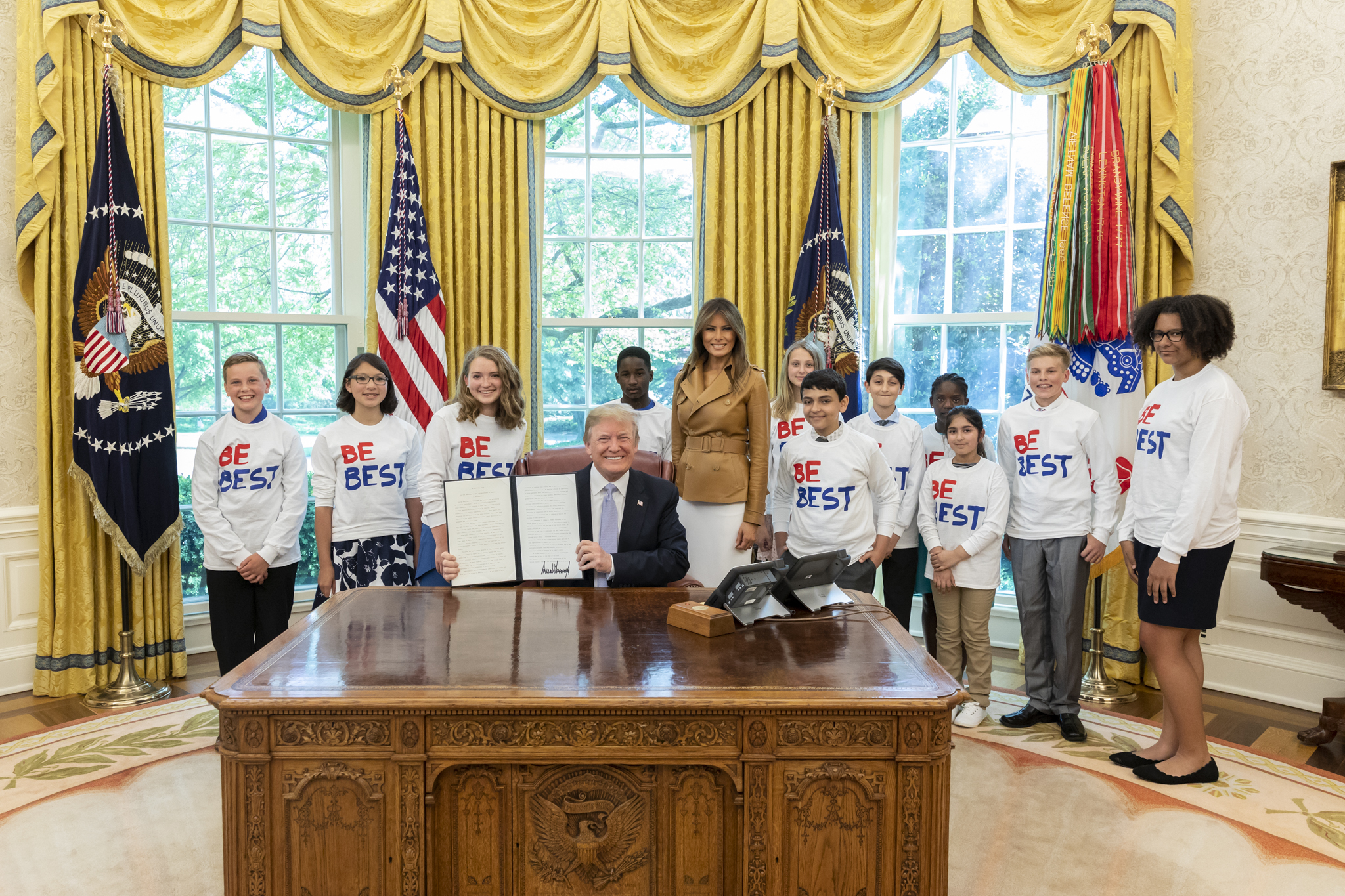
The reactions are not election data. They are a reminder that Trump’s rally-stage image can change quickly when the room is not built around his supporters.
Donald Trump’s Wednesday night appearance at the Kennedy Center in Washington, DC, brought renewed attention to a recurring contrast in his public life: the difference between rally crowds and audiences gathered for something else.
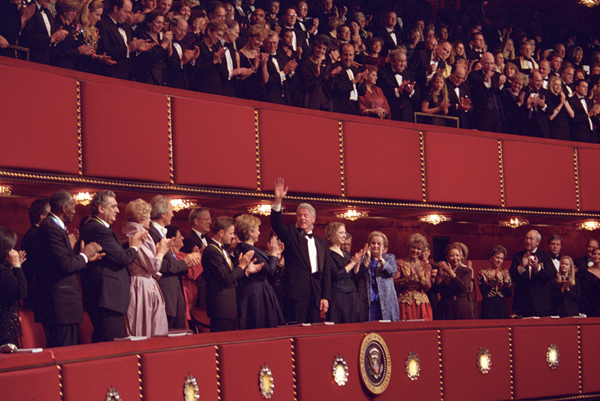
According to a BBC video report, Trump and Melania Trump received a mixed reception as they took their seats in the presidential box, with both boos and cheers audible and some people breaking into a “USA” chant. Coverage dated June 12, 2025, placed that moment alongside other public appearances where Trump has heard boos outside his most favorable political settings.
Start with the limit of the evidence
A booing crowd is not a national poll. It does not measure the electorate, forecast an election or prove how a country feels. The makeup of a room depends on the event, the city, the ticket holders and the politics of the venue.
That caveat matters because Trump remains a powerful figure inside the Republican Party and continues to draw strong applause from supporters at his own events. His campaign-style appearances are built around friendly energy: chants, music, slogans and a crowd that arrived expecting to cheer.
The more revealing question is narrower. What happens when Trump enters a room that was not assembled for him?
Madison Square Garden showed a divided sound
One recent sports example came at Madison Square Garden in New York. The Associated Press reported that Trump was booed loudly by fans when he was shown on video screens during the national anthem before an NBA Finals game.
The AP account described a noisy, mixed atmosphere inside the arena. Chants of “U-S-A! U-S-A!” were heard, then gave way to boos as Trump appeared on the screens giving a military salute. Trump later told reporters, “It was, I think, mostly cheers,” according to the AP.
The New York setting adds context without turning the episode into a broader verdict. Trump built much of his celebrity in the city, but New York has also been politically difficult terrain for him. A sports crowd there was never guaranteed to sound like a campaign rally.
Libertarian delegates resisted the pitch
The sharpest political example came at the Libertarian Party National Convention in Washington, DC. The BBC reported that Trump was booed repeatedly during a Saturday appearance as he asked delegates to support him in the 2024 presidential race.
Trump urged the party’s delegates to work with him against Joe Biden, saying, “We must work together.” The BBC reported that the request was met with vigorous jeers from Libertarian members gathered to choose their own White House nominee.
AP coverage said many in the crowd objected to parts of Trump’s record, including his Covid-19 policies, federal deficits and claims about his political record. The same report said some Trump supporters in the room cheered and chanted “USA! USA!”
Trump tried to make light of the setting by referring to his criminal indictments and joking, “If I wasn’t a Libertarian before, I sure as hell am a Libertarian now.” As the heckling continued, AP reported that he told some in the room they did not want to win and referred to the party’s vote share in previous presidential elections.
The Kennedy Center put culture in the frame
The Kennedy Center reaction was different because it unfolded in a cultural venue, not a campaign hall or sports arena. According to the BBC, it was Trump’s first time attending a production there since becoming president, after he overhauled the venue’s leadership and named himself chairman in February.
That context made the reception more than routine audience noise. To supporters, Trump’s presence could be seen as a challenge to institutions they view as hostile to him. To critics, the boos could register as opposition to his influence over a national cultural venue.
The room did not settle that dispute. It made the divide audible: boos, cheers and patriotic chants competing in the same space.
The signal is real but narrow
The pattern is not that every public crowd rejects Trump. It is that his reception can change sharply when the audience is not selected, curated or politically aligned.
That is why these moments keep becoming stories. They interrupt the familiar image of Trump before cheering rally crowds and replace it with something less controlled: a convention audience with its own ideological agenda, a New York sports crowd, or a theater audience responding to a politically charged cultural appearance.
The boos are not ballots. But they do show the limits of political stagecraft when a figure built for rally rooms steps into public spaces where the crowd came for something else.
Leave a Reply