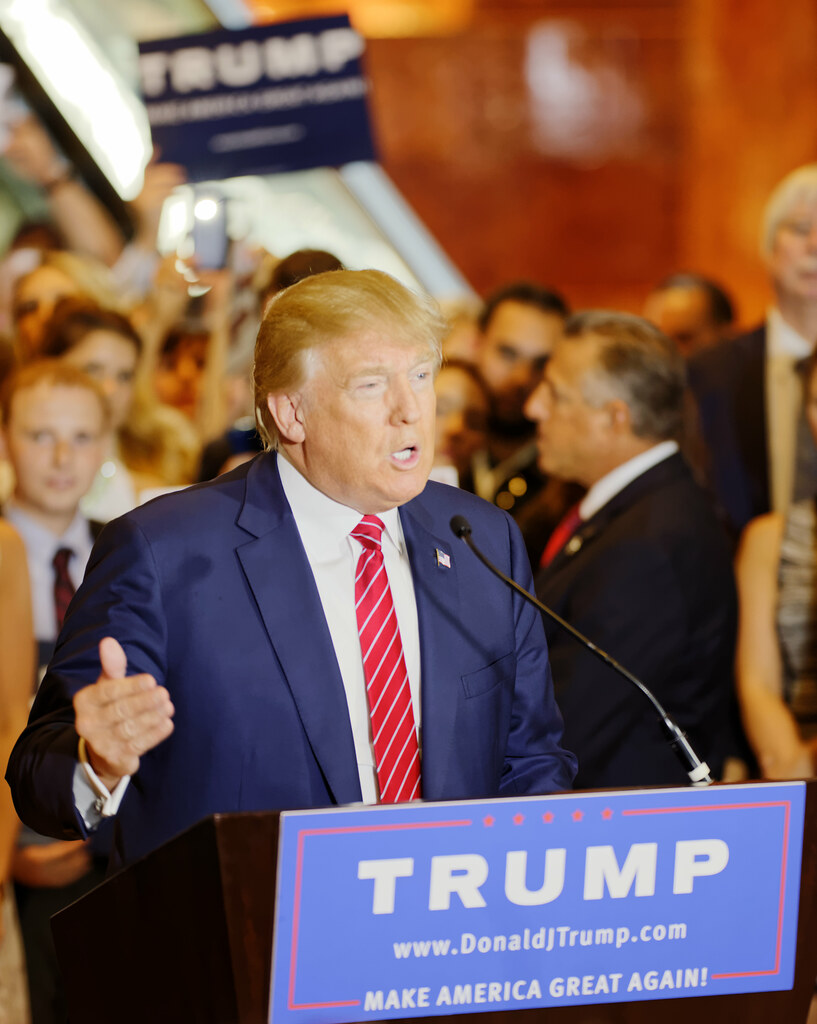
The meeting mattered because it showed how quickly a Republican governing agenda can be disrupted when Trump and Senate GOP lawmakers are not aligned. The sharp exchange with Sen. Bill Cassidy became the clearest sign of deeper frustration inside the party.
Donald Trump attended a closed-door lunch with Senate Republicans at the Capitol in Washington, D.C., on Wednesday, and the lunch turned tense and left Senate Republicans unsettled. Trump clashed with Senate Republicans during the meeting, most sharply with Sen. Bill Cassidy, while Sen. Rick Scott’s role in arranging the gathering added another layer of intrigue.
Trump’s Capitol lunch left GOP senators facing a problem bigger than one blow-up: how to advance a Republican agenda when the party’s most powerful figure can also scramble its plans without warning.
A lunch meant to reset
The private Senate GOP lunch was supposed to help clear the air. Instead, according to AP News and Politico, it became a vivid example of the tension between Trump’s political instincts and Senate Republicans’ need for discipline.
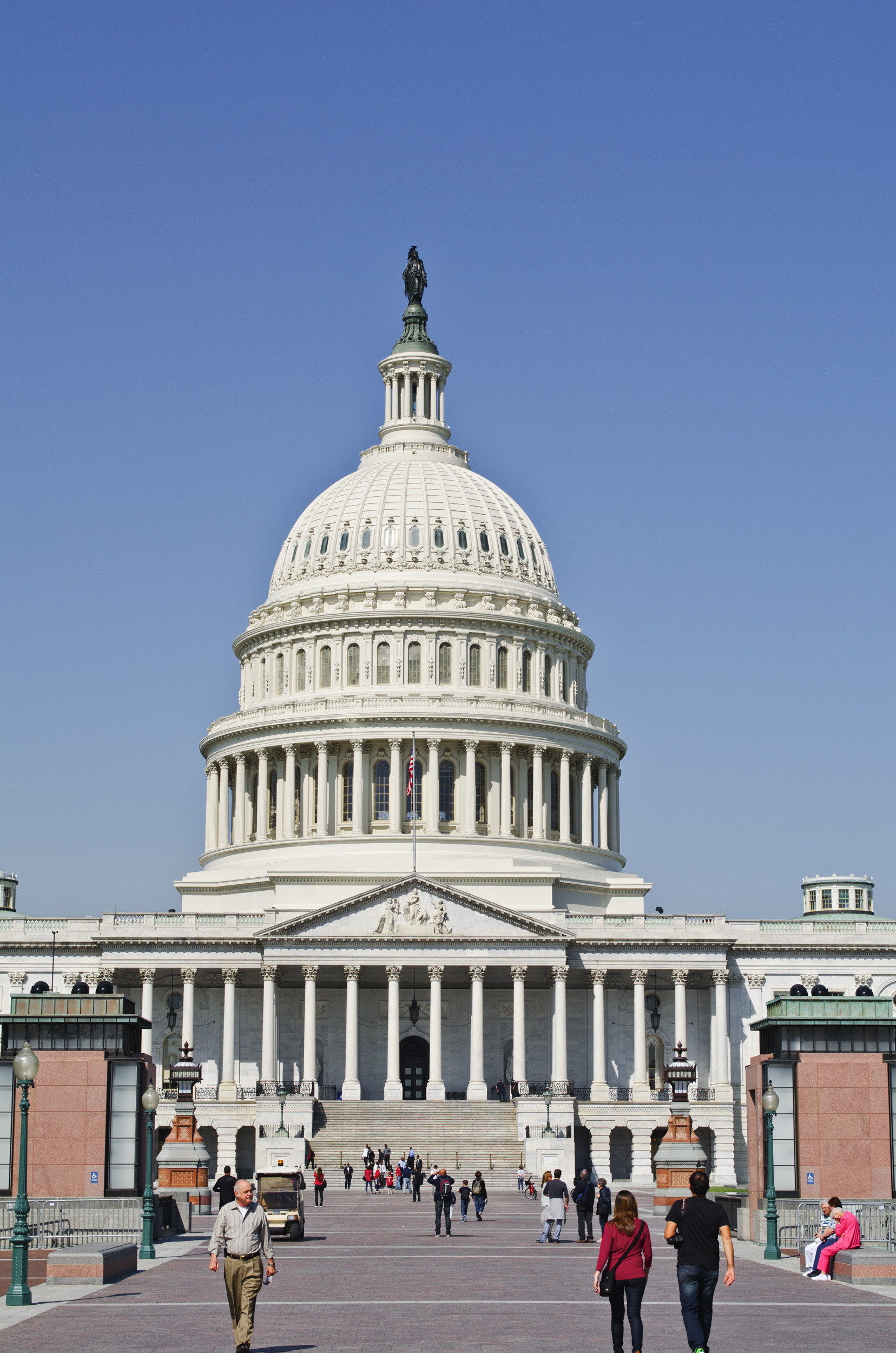
Politico reported that some Republicans hoped the meeting could function like a peace summit after a string of surprises from Trump and the White House had complicated the Senate’s agenda. The lunch had been arranged by Sen. Rick Scott of Florida, a close Trump ally, without Senate Majority Leader John Thune’s foreknowledge, according to Politico.
The timing was already fraught. AP reported that the meeting came just hours after Trump refused to sign a bipartisan housing bill that Republicans had hoped would give them a tangible affordability message heading into the midterms.
That decision mattered because housing costs are one of the issues Republicans want to show they can address. Instead of a unified message, senators walked into lunch already managing another presidential curveball.
Cassidy challenged Trump on Iran
The sharpest exchange centered on Sen. Bill Cassidy of Louisiana and a war powers resolution related to Iran. AP reported that Trump wondered aloud how any Republican could have voted for a measure seeking to block further U.S. military action against Iran.
Cassidy was one of four Republicans who backed the resolution. After the meeting, he told reporters he stood up and told Trump: “You have not told the American people what’s going on.”
Cassidy said he wanted a congressional briefing on developments in Iran and would continue supporting war powers resolutions until lawmakers received one. He also said Trump “did not particularly care for my comments” and “raised his voice,” according to AP.
AP also cited a person familiar with the private meeting who said Trump repeatedly told Cassidy to sit down and, at one point, called him a “lunatic.” Cassidy acknowledged that he lost his temper and said that was “not appropriate,” while saying he matched Trump’s tone and volume before eventually sitting down.
Housing fight sharpened the mood
The Cassidy confrontation was dramatic, but it was not the only reason senators were agitated. The housing bill fight had already put Republicans on edge before Trump arrived.
Politico reported that Republicans viewed the housing legislation as a possible win on affordability, an issue voters feel directly. If the party could pass a housing bill and present it as evidence of action, senators would have a concrete answer to attacks that Washington is detached from everyday costs.
Trump’s refusal to sign the bipartisan measure undercut that plan, at least for the moment. Politico described it as the latest in a series of unexpected moves that have thrown Senate Republicans off balance.
That is why the lunch mattered beyond the room. A single decision from Trump can instantly change the legislative terrain for senators who must defend votes, explain delays and campaign on accomplishments.
Senate Republicans fear mixed signals
Several Republicans have been open about their frustration with conflicting messages. Politico quoted Sen. Thom Tillis of North Carolina saying, “There is a huge group of people who really appreciate what the president is doing right now and it’s the Democrat party.”
Tillis added: “We’ve got to get our act together and stop surprising people and stop having conflicting messages.” That line captured the central fear inside the Senate GOP: the party can hold power and still look divided if its own leaders keep stepping on each other’s plans.
Politico also reported that Sen. John Kennedy of Louisiana joked before the meeting, “I would advise them to only use plastic utensils today.” The joke landed because senators already knew the lunch could be volatile.
Trump’s supporters would argue that his pressure keeps Republicans focused on the priorities their voters expect. Many GOP senators, though, are trying to balance loyalty to Trump with the realities of the Senate, where votes, timing and procedure can make or break an agenda.
The filibuster fight lingers
One continuing flashpoint is Trump’s push for Senate Republicans to pass the SAVE America Act, including by eliminating the filibuster. Politico reported that Trump has remained focused on that demand even though Thune and other GOP senators have said repeatedly that the votes are not there.
That disagreement goes to the heart of the Trump-Senate relationship. Trump often frames legislative action as a question of will. Senators live inside a chamber where rules, vote counts and member objections can stop even a party-line priority.
The clash over Iran raises a separate institutional issue. Cassidy’s position was not just a policy disagreement; it was about Congress receiving information before military action continues. That is a classic Senate concern, even when the president is from the same party.
Those tensions are especially hard for Republicans because Trump remains the dominant figure in the party. Senators who challenge him risk angering his base, but senators who absorb every surprise without protest risk losing control of their own agenda.
What remains unsettled
The immediate question is whether the lunch produces any lasting damage between Trump and Senate Republicans, or whether it becomes another episode in a familiar pattern: conflict, public minimization, then a return to uneasy cooperation.
Several practical issues remain unresolved. It is not clear whether Cassidy and other senators will get the Iran briefing they want. The path forward for the housing bill is also uncertain after Trump’s refusal to sign it.
There is also the leadership question. Scott’s role in arranging the lunch without Thune’s foreknowledge, as Politico reported, underscored how Trump-aligned senators can create their own channels to the president. That can be useful for party management, but it can also complicate the job of Senate leadership.
The clean takeaway is that Trump’s Capitol lunch did not simply leave Senate Republicans reeling because voices were raised. It exposed the core challenge of the GOP’s governing majority: Trump can energize the party, but Senate Republicans still have to turn that energy into votes, bills and a message that survives the next surprise.
Leave a Reply