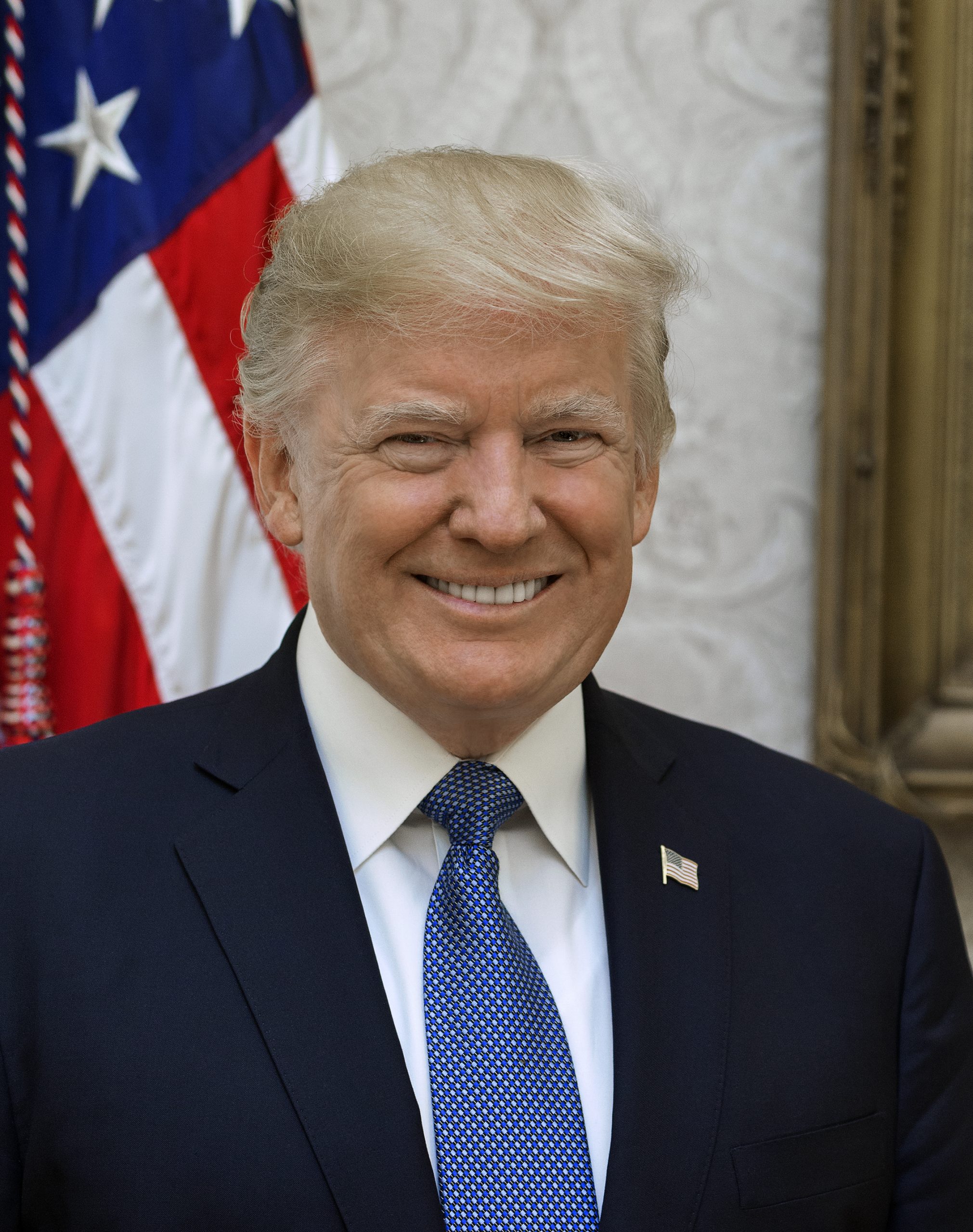
The White House says Trump will present election-related findings. Critics say the speech risks using presidential power to relitigate 2020 and cast doubt on future votes.
Donald Trump is expected to address the nation Thursday night from Washington, and he may repeat long-debunked election claims as the speech could focus on elections and voting machines. The 2020 election and Joe Biden’s victory are again hovering over a presidential address, making the stakes bigger than one speech.
The White House has previewed the remarks as an election integrity address, while critics warn Trump is using primetime to revive conspiracy claims that courts, reviews and federal officials have already rejected.
A rare platform for old claims
Presidential addresses to the nation are usually reserved for wars, crises, national security moments or major policy turns. That is why Thursday night’s expected focus on elections is drawing so much attention.
According to NPR, Trump is scheduled to give a primetime address on election integrity, with live coverage beginning at 9 p.m. ET. The Associated Press also flagged the possibility that long-debunked election claims could be part of the remarks.
That combination matters. Trump has made false claims about the 2020 election for years, but a formal national address gives those claims a different kind of weight. It places them inside the official frame of the presidency, not just a rally speech, social media post or campaign interview.
The timing is also politically charged. NPR reported that the address comes as Trump’s war in Iran nears the five-month mark, as some Republican lawmakers want him to focus more sharply on the economy, and as his approval rating remains near second-term lows.
What the White House previewed
The White House has not released a detailed script for the address. Press secretary Karoline Leavitt told reporters Thursday that Trump would present what she called “findings” about election integrity.
Leavitt said the remarks would “shock” listeners who approach them with “an honest eye,” adding that the president’s statements would be backed by facts and evidence provided during the evening. That framing sets up the speech as more than a general policy argument.
She also said Trump would discuss the SAVE America Act, a voting bill that would require proof of citizenship when registering to vote and a form of ID when voting. Supporters argue such measures are needed to strengthen confidence in elections.
Opponents argue the bill responds to a problem that evidence shows is rare, while potentially making it harder for some eligible citizens to vote if they do not have easy access to required documents.
The 2020 claims remain debunked
The central risk is that Trump may again claim, without evidence, that he won the 2020 election. That claim has been repeatedly rejected by courts, election officials, audits and reviews across multiple states.
NPR noted that Trump’s assertion that he defeated Joe Biden in 2020 still appears often in his speeches and social media posts. The claim is false. Biden won the Electoral College and the popular vote, and no evidence has emerged showing fraud significant enough to change the outcome.
A federal intelligence report released in March 2021 also undercut a major category of election conspiracy claims. The report concluded: “We have no indications that any foreign actor attempted to alter any technical aspect of the voting process in the 2020 US elections, including voter registration, casting ballots, vote tabulation, or reporting results.”
That finding is especially relevant if Trump’s speech turns toward voting machines, vote tabulation or technical claims about how ballots were counted. Those claims have been among the most persistent parts of the post-2020 misinformation ecosystem, despite repeated debunking.
Why voting rules are central
Trump’s election message is not only about the past. It also overlaps with an active effort to reshape voting policy during his second term.
NPR reported that Trump has spent much of the term attempting to influence elections and voting rules in unusual ways. The SAVE America Act fits into that broader push, giving the speech a policy hook beyond relitigating 2020.
Proof-of-citizenship voting requirements are politically powerful because they sound straightforward to many voters. The complication is practical: eligible voters may not have passports, birth certificates or other documents readily available, and the burden can fall unevenly on older voters, low-income voters, students, married women who changed names, and naturalized citizens.
Election administrators and voting-rights advocates have long warned that sweeping document requirements can create new barriers even when the stated goal is election security. Supporters counter that public trust is damaged when voters believe rules are too loose, regardless of whether proven fraud is widespread.
Democrats see a midterm warning
Democrats are already treating the address as a warning shot for the next election cycle. Senate Minority Leader Chuck Schumer said Thursday that he believes Trump is trying to undermine the 2026 election before any ballots are cast.
Schumer argued on the Senate floor that the speech is not simply about rehashing Trump’s 2020 loss. In his view, it is about creating suspicion around upcoming elections in advance.
That is the key political dispute. Trump and his allies frame election integrity as a legitimate governing issue. Democrats and many election experts see his version of the issue as inseparable from false claims that fueled distrust after 2020.
There is also an unanswered question hanging over the address: whether Trump will say he accepts the legitimacy of future election results. NPR reported that when Leavitt was asked whether Trump would accept this November’s results, she did not answer directly and instead told reporters to watch the speech.
The real test comes after
The immediate test Thursday night is factual: whether Trump presents verifiable evidence, policy arguments and specific proposals, or whether he leans on claims about 2020 that have already been discredited.
The longer test is institutional. A president’s national address can shape what his supporters expect from Congress, state officials and election agencies. If the address casts election systems as suspect without proof, it could deepen distrust well before voters go to the polls.
At the same time, election policy is a valid subject for national debate. Americans can argue over voter ID, registration rules, mail ballots and federal standards without accepting false claims about a stolen 2020 election.
That distinction is what makes the speech consequential. Trump may try to merge a live policy fight with an old grievance. Whether he separates evidence from assertion will determine whether Thursday night becomes a serious election policy address or another primetime stage for debunked claims.
Leave a Reply