
The online reaction is sharper than the available medical record. Here is what officials have said, what reporters have documented and what photos alone cannot prove.
Donald Trump’s hands have sparked viral claims about bruising, swelling or looking rotting, and the White House in Washington has offered a medical explanation for the hand appearance. The latest debate, circulating around Monday and Thursday references in the trend signal, examines what the photos do and do not show about Trump’s health.
White House press secretary Karoline Leavitt has addressed public speculation by pointing to frequent handshaking, while other reporting has cited a diagnosis of chronic venous insufficiency. The key question is where observable images end and medical claims begin.
The claim moved faster than proof
The phrase around Trump’s hands has been especially graphic: online posts and coverage have described them as “rotting,” swollen or like “stuffed sausages.” That language is attention-grabbing, but it goes beyond what has been established in the extracted reporting.
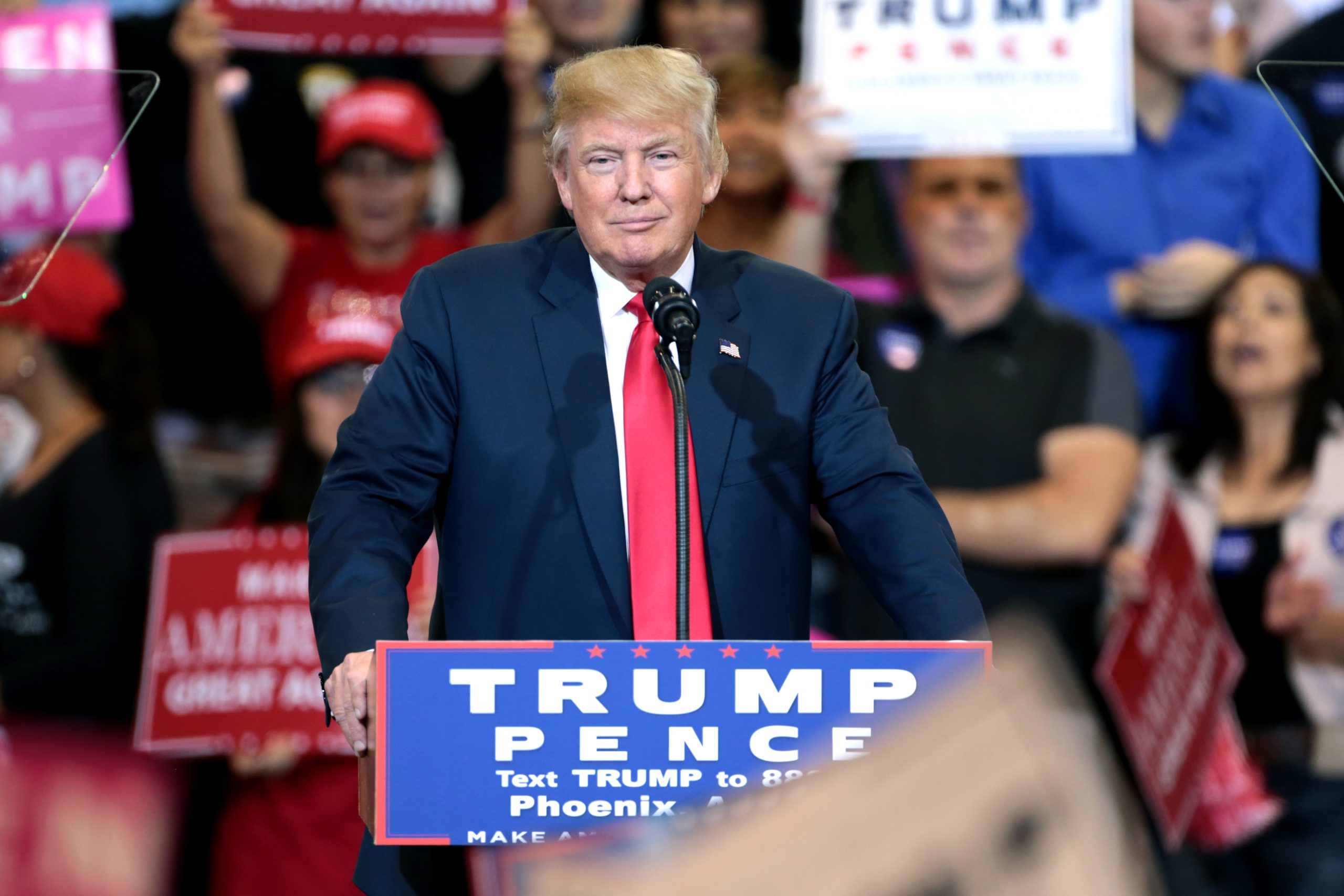
There is a difference between noting that a hand appears bruised, red or swollen in a photograph and claiming it reflects a specific or severe medical condition. The first is a visual observation. The second requires medical evidence that has not been provided in the available record.
That distinction matters because presidential health is not a private curiosity in the ordinary sense. Voters and the public have a legitimate interest in a president’s physical condition, stamina and transparency. But public interest does not make social-media diagnosis reliable.
What officials have said
NBC News reported that the White House attributed a large bruise on the back of Trump’s right hand to shaking hands. Leavitt said Trump had bruises because he was “constantly working and shaking hands all day every day.”
NBC also noted that visible bruising or redness on Trump’s right hand had appeared on at least two other occasions, based on NBC observations and wire service photos. Trump himself was quoted by Time magazine in December 2024 saying, “It’s from shaking hands with thousands of people,” when asked about bruises on his hand.
The BBC later reported that the White House said Trump had been diagnosed with chronic venous insufficiency after questions about bruising and swelling. According to that report, Trump underwent a comprehensive exam that included vascular testing after recently experiencing swelling in his legs.
The White House physician, Sean Barbabella, said in a note released to reporters that the condition was “benign and common,” especially in people over 70, the BBC reported. The note said there was no evidence of deep vein thrombosis or arterial disease, and no signs of heart failure, renal impairment or systemic illness. Barbabella wrote that Trump was in “excellent health.”
Two explanations, one debate
The official account involves two related but not identical issues: hand bruising and leg swelling. The hand explanation, as reported by NBC and the BBC, centered on frequent handshaking and aspirin. The leg-swelling explanation involved chronic venous insufficiency.
That matters because chronic venous insufficiency is a vein condition involving blood flow in the legs. It does not automatically explain every online claim about how Trump’s fingers look in a particular image.
The BBC quoted Dr. Meryl Logan, an assistant professor of vascular surgery at the University of Texas at Austin, explaining that chronic venous insufficiency occurs when veins and valves do not properly move blood from the legs back toward the heart. Blood can then pool in the lower limbs, causing swelling.
That medical context helps explain why photos of legs and hands have been discussed together. It should not be stretched into a broader conclusion that the available reporting does not support.
Why the photos keep resurfacing
Images of a president’s body can become political evidence almost instantly, especially when they appear to show bruising, swelling or discoloration. Supporters may see an ordinary consequence of a public-facing job. Critics may see a reason to demand fuller disclosure.
Trump has also made health part of his public persona. The BBC noted that he has regularly touted his good health and once described himself as “the healthiest president that’s ever lived.” That kind of claim invites scrutiny when visible images appear inconsistent with an image of perfect vigor.
NBC reported that Trump said in a December interview on Meet the Press that he would release his full medical report, but had not yet done so at the time of NBC’s report. That unresolved promise is part of why photo-based speculation continues to gain traction.
A physician’s note and a press secretary’s explanation are official statements. They are not the same thing as a full medical report. That gap gives both critics and defenders room to argue over what the public has actually been shown.
What photos cannot establish
Photographs can raise questions, but they cannot diagnose a president. Lighting, camera angle, image compression, makeup, age-related skin changes and ordinary bruising can all affect how a hand appears in a close-up image.
That is especially true online, where cropped photos often travel without the fuller frame from the same event. A hand that appears alarming in one tight image may look different in another angle or under different lighting.
The strongest available reporting does not support the literal claim that Trump’s hands are “rotting.” It supports a narrower set of facts: visible bruising and redness have been observed; questions about swelling led to official medical explanation; and Trump was said by his physician to have chronic venous insufficiency, with several more serious conditions ruled out in the note described by the BBC.
That narrower record is less sensational. It is also more useful for readers trying to separate documented information from political theater.
The transparency issue remains
The unresolved issue is not whether strangers online can determine Trump’s health from hand photos. They cannot. The unresolved issue is how much medical information the public should expect about a sitting president, especially when visible signs prompt repeated questions.
The extracted record includes prior reports of bruising, including a visible bruise during Trump’s visit with French President Emmanuel Macron at the White House and earlier documented instances of hand discoloration. It is also unclear how much of the current viral attention is tied to new imagery versus renewed circulation of older photos.
For now, the public record points to bruising, swelling questions, a White House explanation involving handshaking and aspirin, and an official diagnosis of chronic venous insufficiency described as common and benign. The “rotting” and “stuffed sausages” language reflects the viral reaction, not a confirmed medical conclusion.
There is still room for scrutiny of presidential health disclosures. That scrutiny is strongest when it stays anchored to what has been reported, what officials have said and what medical evidence has actually been released.
Leave a Reply