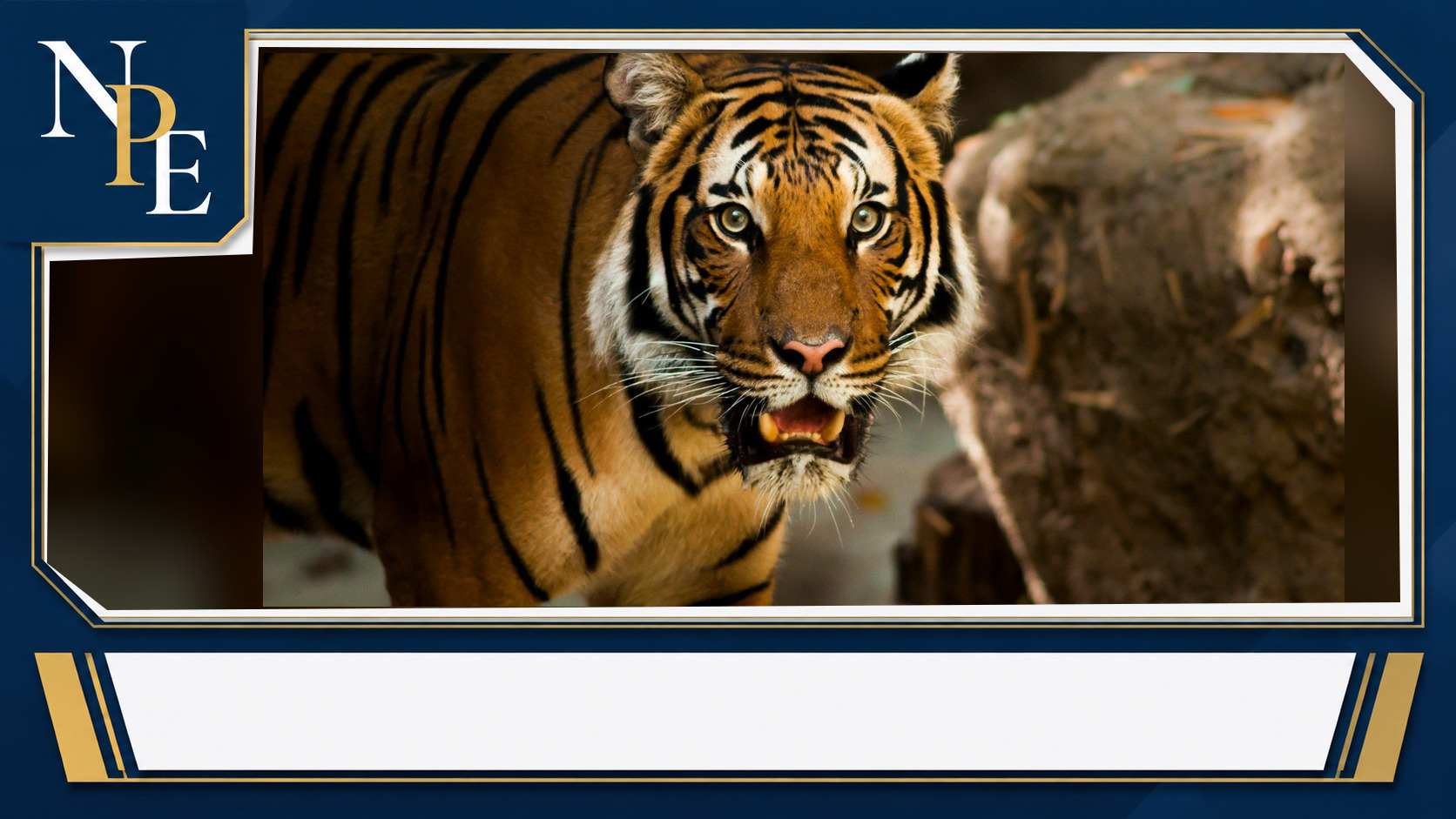
The fatal attack at Growler Pines Tiger Preserve has renewed attention on the risks of close-contact big cat shows. Authorities have described the immediate events, but key details about the animal and the facility’s procedures remain unclear.
Ryan Easley, a 37-year-old Oklahoma animal handler, was fatally mauled by a tiger during a big cat show at Growler Pines Tiger Preserve near Hugo, Oklahoma. The attack happened Saturday; officials described the case publicly on September 22, 2025, and Easley’s wife and young daughter were present when he was killed.
The Oklahoma zookeeper mauled by a tiger had worked closely with the animal for some time, according to Choctaw County Sheriff Terry Park. The death has closed the preserve to tours for now and revived a difficult question for private animal attractions: can public demonstrations involving powerful wild animals ever be made reliably safe?
What authorities say happened
Deputies were called to Growler Pines Tiger Preserve shortly after the attack and found Easley dead, Park told The Associated Press. The private preserve is near Hugo in southeastern Oklahoma, close to the Texas border.
Park said the tiger and Easley were inside a large cage near the end of a big cat show when the animal began biting him and then shaking him. The sheriff characterized the attack as unexpected.
Officials have not publicly identified the tiger or released a fuller account of what occurred immediately before the animal attacked. It is also not clear what safety steps were in place for the demonstration, how close spectators were, or whether any formal investigation by federal regulators is underway.
The distinction matters. Fatal attacks involving captive big cats are rare, but when they occur, the central issue is often not simply the animal’s behavior. It is the system that put a handler and a large predator in direct contact during a public event.
Family was present at preserve
Park said Easley’s wife and young daughter were present when the tiger attacked. Authorities have not publicly described where they were standing or what they were able to see, and it would be wrong to assume details beyond that account.
That limited but painful fact underscores the human impact beyond the handler’s death. Animal presentations are designed to be controlled encounters, often marketed as a chance to see exotic wildlife up close. In this case, a family gathering became the setting for a fatal emergency.
The preserve said in a Facebook statement that the death was a tragedy and described Easley as someone who cared deeply for the animals in his charge. It said tours were canceled until further notice.
Messages left with the facility were not immediately returned, according to AP. No public statement in the available reporting explained whether the tiger will remain at the preserve, be moved, or face any change in handling conditions.
A private preserve with visitors
Growler Pines Tiger Preserve offered bookable tours where visitors could view tigers and watch demonstrations about the animals’ training and care, according to its website. That places it in a different category from a typical municipal zoo, even though both may involve public access to dangerous wildlife.
Oklahoma Department of Wildlife Conservation spokesperson Kelly Adams told AP that a facility keeping animals not native to Oklahoma would be permitted through federal agencies rather than the state wildlife department. Those agencies are the U.S. Department of Agriculture and the U.S. Fish and Wildlife Service.
Federal oversight can involve different responsibilities. The USDA’s Animal and Plant Health Inspection Service oversees standards connected to animal welfare and exhibitor licensing, while the Fish and Wildlife Service has a role in wildlife-related permits and rules. The available reporting did not establish the preserve’s current permit status or whether either agency had taken action after Easley’s death.
That gap is likely to be a focus as more information emerges. A federal license or permit does not eliminate risk; it establishes a regulatory framework for facilities that keep and exhibit animals that cannot be treated like domesticated pets.
Why handlers face inherent risk
Tigers are predators with immense strength, speed and instinctive behavior. Long familiarity with a particular animal may help a handler recognize routines, but it does not turn the relationship into a predictable one.
Animal-rights groups seized on that point after Easley’s death. People for the Ethical Treatment of Animals and Humane World for Animals said the case illustrated the danger of using wild animals in performances. PETA Foundation senior director Debbie Metzler told AP that aggressive behavior can be a natural response to stress.
Supporters of private preserves and animal demonstrations often argue that close encounters can build public interest in wildlife and that experienced caretakers understand the risks. The preserve’s statement emphasized Easley’s connection with the animals and said he accepted those risks out of love, not recklessness.
Those views can coexist with an uncomfortable reality: even a skilled, committed handler cannot fully control a tiger. For critics, that makes direct-contact shows an unacceptable model. For operators, the question becomes whether stricter barriers and altered demonstrations can reduce exposure without ending the work altogether.
Tiger history adds another layer
Humane World for Animals provided AP with a 2012 veterinary inspection certificate showing that two 11-month-old tigers acquired by Easley came from G.W. Exotic Animal Park in Wynnewood, Oklahoma. That facility was once operated by Joseph Maldonado-Passage, better known as Joe Exotic from the Netflix series Tiger King.
An Oklahoma Department of Agriculture spokesperson told AP the document appeared authentic. The reporting did not say that the tiger involved in Easley’s death was one of those animals, so the record should not be read as identifying the animal that attacked him.
Still, the connection highlights the overlapping world of private exotic-animal ownership, breeding, exhibition and entertainment in Oklahoma. That world drew broad public attention through Tiger King, but Easley’s death is a reminder that its consequences are not limited to television spectacle.
Maldonado-Passage posted a message of condolence on Instagram, saying Easley had previously built a winter compound for tigers at his zoo. The statement added another personal connection, not an explanation for the fatal attack.
Questions after the canceled tours
For now, the clearest confirmed facts are narrow: a tiger killed Easley during a big cat show, deputies responded within minutes of the emergency call, and his wife and daughter were present. The preserve has suspended tours.
Important questions remain unanswered. Authorities have not publicly detailed the sequence that led to the attack, the animal’s condition and history, the facility’s emergency protocol, or whether regulators will inspect the preserve or review its practices.
The incident also arrives with a long history of severe tiger attacks in performance settings. A Bengal tiger killed a trainer in front of a crowd at a Pennsylvania circus in 1997, and Roy Horn was critically injured by a white tiger during a 2003 Siegfried & Roy performance in Las Vegas.
Those cases differ in circumstance, but they point to the same hard boundary: captive does not mean tame. The investigation into Ryan Easley’s death may determine whether this tragedy involved preventable failures, but the broader danger of close human contact with tigers is already plain.
Leave a Reply