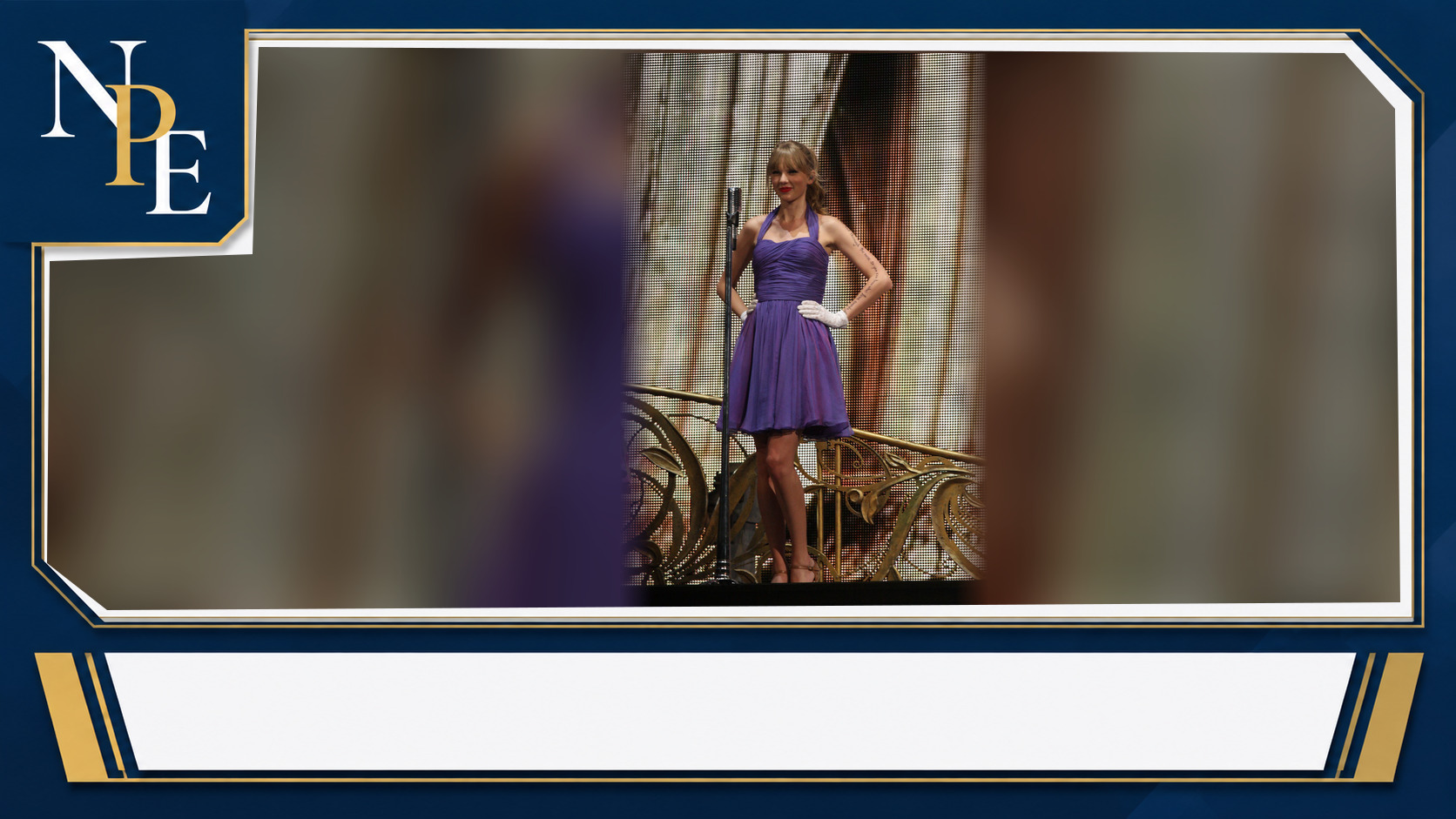
Videos that paired Taylor Swift tracks with pro-Trump messaging no longer have audible music. The removals arrive after an account post openly joked about using Swift’s work despite her opposition to Donald Trump.
Taylor Swift’s songs have been removed or muted from several Trump campaign and White House-related videos after Trump’s team used Taylor Swift’s songs despite her political stance. As of Aug. 8, 2026, Team Trump TikTok posts featuring Swift tracks—including “August”—had no available audio, underscoring the gap between a viral political jab and the permissions required to keep music online.
The removals do not establish who requested them or why. But they follow a Team Trump post that appeared to needle Swift directly, and they put renewed attention on the White House and Trump-aligned accounts’ use of pop music from artists who have publicly objected to the administration’s messaging.
Swift tracks are now silent
USA Today reported that multiple videos on President Donald Trump’s Team Trump TikTok page that previously used Swift music no longer play audio.
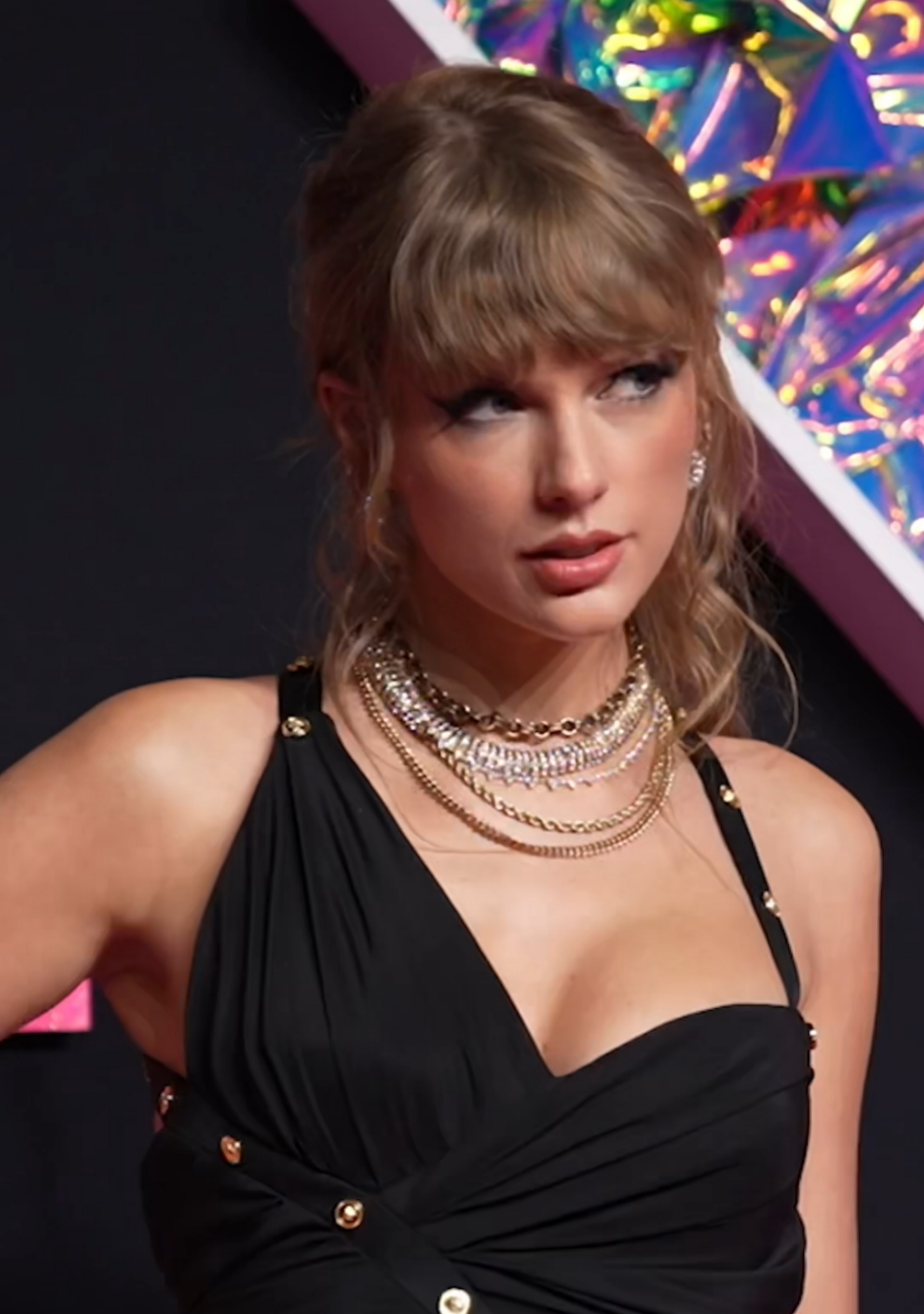
One Aug. 3 edited fireworks video showed Trump and first lady Melania Trump. Its on-screen text referenced the month of August and Trump’s presidency; its caption said, “I’m sure @Taylor Swift is going to be super excited we used her song!” The post originally used Swift’s 2020 song “August,” from Folklore.
That video is now silent, according to the report. So is a post from November that used “Father Figure,” a track from Swift’s Life of a Showgirl, in a montage honoring Trump.
A third video, posted Aug. 6, played on the title of Swift’s album Red. It suggested the singer wrote the record about Republicans and used altered album-style imagery featuring Trump in a red MAGA hat. That post also no longer has audio.
The missing audio has no stated cause
There is an important limit to what can be concluded from muted TikToks: neither the White House nor Swift’s representatives had publicly explained the removals when USA Today reported them.
USA Today said it sought comment from both. Without a response, it remains unclear whether the audio was removed by TikTok’s rights-management systems, by the account administrators, by a copyright holder, or through another platform process.
That distinction matters. A takedown initiated by a rights holder would say something different from an account choosing to change a post after criticism. Silence on a post can look like a simple technical detail, but it can also obscure a dispute over authorization, licensing or strategy.
There is also no public indication in the reporting that Swift personally ordered any removal. Online reactions credited her for the silence, but that is not evidence of her involvement.
A political jab aimed at Swift
The posts came with a well-established political backdrop. Swift endorsed former Vice President Kamala Harris, the Democratic nominee, before the 2024 election against Trump.
Trump responded days later with a Truth Social post saying, “I hate Taylor Swift.” In May 2025, he again criticized her, saying she was “no longer HOT” since he had expressed that view.
His tone changed after Swift’s August 2025 engagement to Travis Kelce, whom she later married. Asked about the couple in a Cabinet meeting, Trump said he wished them luck, called Kelce “a great player” and “a great guy,” and described Swift as “a terrific person.”
Even so, the Aug. 3 TikTok caption made the political contrast explicit. It did not present “August” as a neutral soundtrack choice; it framed using Swift’s work as a taunt toward a celebrity who had sided with Trump’s opponent.
Music has become a messaging battleground
The Swift posts fit into a larger pattern in which pop songs have become ammunition in political social-media campaigns. A familiar song can help a short video travel, summon a built-in fan base and attach a mood to a political message in seconds.
For artists, that use can create an uncomfortable association—especially when a song is paired with immigration enforcement, military action or political figures they oppose. Access to music on a platform does not necessarily mean an artist supports every context in which a user places it.
Several musicians have publicly protested White House social posts using their songs. Katy Perry criticized a July 23 White House TikTok video using “Firework” alongside footage of U.S. military strikes in Iran, saying she had not approved the use and did not condone it.
Ariana Grande similarly objected after a White House TikTok video about federal agents arresting and handcuffing people used her song “Bye,” according to reporting cited by USA Today. The audio and Grande’s comment were later removed.
Other artists have pushed back
Kesha, Olivia Rodrigo, Noah Kahan and Sabrina Carpenter have also objected to White House use of their music in different social-media posts, USA Today reported.
The responses have not all followed the same script. After Kahan criticized the use of his music, the White House account posted a July 31 video declaring, “And for that reason we will be posting Noah Kahan music.” That response suggested the conflict itself could be part of the account’s online strategy.
Supporters may view this kind of posting as cultural sparring: politicians using widely recognized music and accepting the backlash that follows. Critics see a more consequential issue, arguing that artists’ work is being used to imply alignment with messages they reject.
The platform layer complicates both arguments. Social networks maintain music libraries, rights agreements and automated detection systems that can determine whether audio stays up, is restricted or disappears. The public often sees only the final result: a video that suddenly has no sound.
What the quiet videos reveal
The immediate outcome is straightforward: viewers can still encounter several Team Trump posts, but the Taylor Swift songs that once gave them their punch are unavailable.
What remains unsettled is the reason. Until TikTok, the White House, Team Trump, Swift or relevant rights holders explain what happened, claims about a specific takedown request should be treated as speculation.
The episode nevertheless shows the trade-off in using a celebrity’s music as political bait. The initial post can attract attention precisely because it provokes the artist’s fans. If the soundtrack disappears, the post becomes a different kind of message—one that highlights the conflict without delivering the song that made the provocation work.
For Swift, Trump and the accounts associated with his administration, the muted videos are a small but visible example of how music rights, celebrity politics and platform rules now collide in the same scrolling feed.
Leave a Reply