The dispute is about more than one ad buy. It highlights how the war in Gaza and AIPAC’s political profile are reshaping campaign calculations in a closely watched Michigan race.
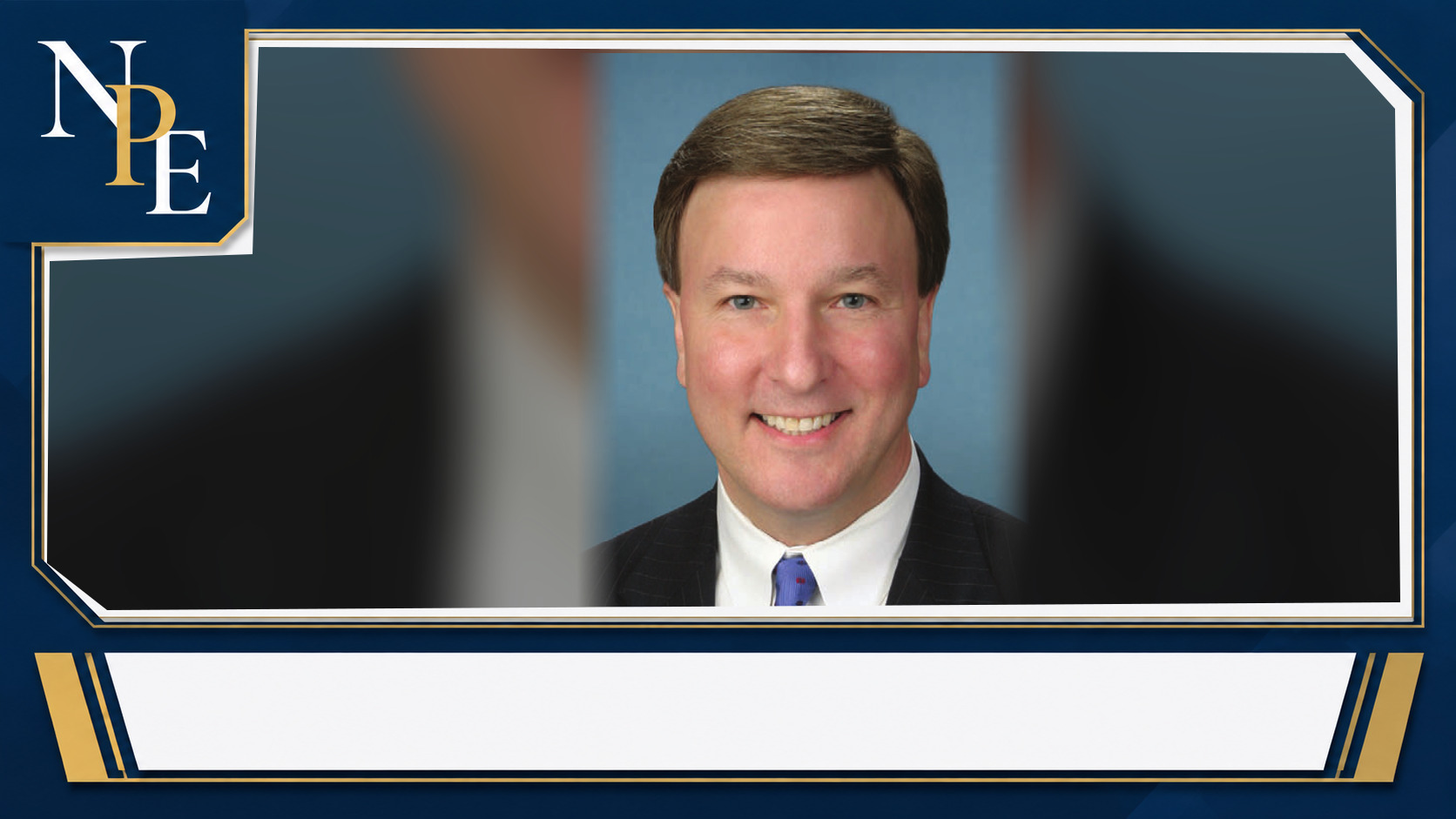
Mike Rogers’ allies asked AIPAC not to advertise on his behalf in the Michigan Senate race, setting off a rupture with the influential pro-Israel organization. After the request, AIPAC shelved a prepared ad targeting Rogers’ Democratic rival, Abdul El-Sayed, a decision that has put outside-group strategy at the center of the Nov. 3 contest.
The conflict matters because Rogers is a strongly pro-Israel Republican who nevertheless appears wary that visible AIPAC spending could become a political burden in Michigan, a swing state with a large Arab American population and deep divisions over the war in Gaza.
An ad strategy hits a wall
According to Axios, Rogers spoke with AIPAC chair Michael Tuchin in Los Angeles before the group put an already-produced video ad against El-Sayed on hold. The reporting said Rogers’ allies had urged AIPAC to support him without placing the group’s name prominently before voters.
The preferred alternatives reportedly included steering AIPAC-aligned donors toward a pro-Rogers super PAC or a joint fundraising operation involving Rogers and the national Republican Party. Rogers’ team also discussed the possibility of using AIPAC political strategists in a less public role.
That is a significant distinction in modern campaigns. Outside money can finance messaging, field work and voter outreach, but the identity of the group paying for it can become part of the message itself—especially when the group has already been a focus of an opponent’s campaign.
Why AIPAC wanted visibility
AIPAC, according to Axios, was not satisfied with an arrangement that kept it out of public view. Its officials argued that El-Sayed would connect Rogers to the pro-Israel group regardless, given Rogers’ views on Israel and AIPAC’s prior involvement in the race.
The organization had reportedly spent more than $30 million trying to stop El-Sayed in the Democratic primary and had been prepared to spend millions more in the general election. El-Sayed ultimately defeated Democratic Rep. Haley Stevens in that primary.
For AIPAC, the Michigan contest is therefore not an ordinary general-election opportunity. El-Sayed has made criticism of the group and of Israeli government policy central to his political identity, making the race a test of whether an organization can blunt those attacks—or inadvertently amplify them.
El-Sayed turned spending into a target
During the Democratic primary, El-Sayed used AIPAC’s efforts against him to argue that Stevens was too closely aligned with the pro-Israel lobby. His campaign treated the outside spending as evidence of establishment influence rather than simply an attack ad campaign.
Axios reported that Rogers’ allies concluded AIPAC’s primary advertising had backfired by handing El-Sayed a potent political foil. That concern explains why the Rogers camp appears to want the group’s resources without its public branding.
El-Sayed has criticized Israel in especially sharp terms, including calling it a “rogue state” and accusing it of genocide and apartheid. He has also declined to say whether Israel has a right to exist as a Jewish state, according to Axios. Those positions have made him a priority target for AIPAC, while also giving him a clear contrast with Rogers.
Michigan changes the political math
Michigan is an unusually sensitive setting for a fight over Israel, Gaza and outside political spending. The state has one of the nation’s largest Arab American populations, and its communities have been deeply engaged by the war and U.S. policy toward Israel.
Axios cited a Fox News poll finding that 55% of Michigan voters opposed continued U.S. aid to Israel. Poll results can vary depending on wording and timing, but the figure illustrates why both campaigns and outside groups may be treating the issue as politically consequential rather than peripheral.
Rogers’ calculation is not necessarily a break with pro-Israel politics. It is a judgment about presentation: whether an explicit AIPAC campaign could drive persuadable voters toward El-Sayed or encourage turnout among voters already frustrated by U.S. support for Israel.
There is a competing view. Some Republican and Democratic operatives told Axios that November voters in manufacturing-heavy Michigan may be more focused on prices, jobs and the broader economy than on Middle East policy. If that proves true, the AIPAC dispute may be more important to donor networks and activist circles than to the final statewide result.
A costly partnership now sits unresolved
Direct talks between Rogers’ team and AIPAC have reportedly gone cold, with Jewish Republican donors and other GOP figures trying to bridge the divide. The immediate question is whether AIPAC will resume direct activity, accept a less visible role, or remain on the sidelines.
AIPAC’s super PAC ended July with nearly $60 million in the bank, Axios reported. That gives the group the capacity to matter if it decides to engage, but not necessarily a clear path to doing so without reopening the same disagreement over branding and control.
Rogers publicly struck a more welcoming tone than the behind-the-scenes account suggests. He told Axios that he welcomed support from the pro-Israel community and was proud to have its involvement. AIPAC spokesperson Deryn Sousa said the group’s members were highly motivated and that it would consider every option to argue that El-Sayed’s policies would harm Michigan and the country.
The bigger test is coalition management
The dispute shows how political alliances can become complicated when a group’s financial power is paired with a highly recognizable public identity. Rogers may want help reaching voters and countering a well-funded Democratic campaign, but he also has an incentive to avoid making AIPAC the campaign’s defining contrast.
For El-Sayed, a highly visible AIPAC intervention could reinforce a narrative that worked in the primary. For AIPAC, staying out could mean yielding ground in a race involving a candidate whose positions it strongly opposes.
What remains unclear is whether the sides can find an arrangement that satisfies both goals: meaningful assistance for Rogers and less of the public association his allies fear. Until then, the shelved ad is a tangible sign that the fight over Gaza politics is affecting not only campaign rhetoric, but also the machinery that pays for it.
Leave a Reply