
The available reporting supports a proposed Rose Garden redesign, not a completed overhaul. The stakes center on a lawn tied to Jacqueline Kennedy’s 1962 vision and the White House’s use of the space as a presidential stage.
Donald Trump’s reported plans for the White House Rose Garden have renewed attention on one of the most visible outdoor spaces in American politics. The issue is not a finished remodel, but a proposed shift that would replace the garden’s grass with a hard surface.
According to reporting by The New York Times, Trump told associates he wanted a surface resembling the patio at Mar-a-Lago. That reported idea matters because the Rose Garden is both a working venue and a symbol of continuity at the White House.
What is reportedly being considered
The supported reporting describes plans for changing the Rose Garden’s surface, not a confirmed final design or completed project. The central reported change is the replacement of grass with a hard surface associated with entertaining and event use.
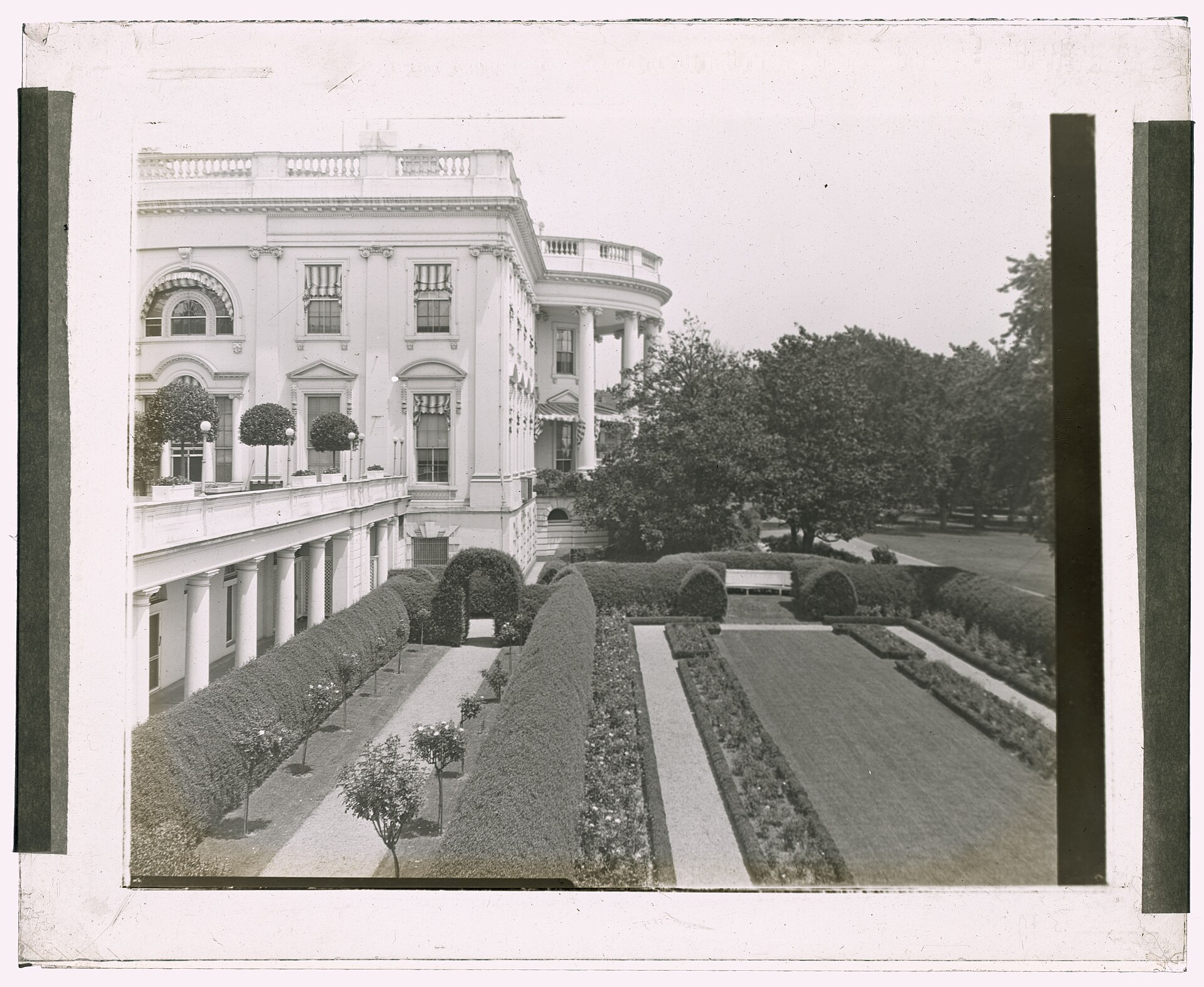
That distinction is important. A proposal to hardscape the Rose Garden invites questions about history, function and symbolism, but it should not be treated as a completed overhaul unless the project’s status is independently verified.
The comparison to Mar-a-Lago sharpens the reaction because it places a public presidential setting next to the visual language of Trump’s private club. The question becomes whether a White House garden should remain primarily a planted ceremonial space or become more like a flexible outdoor venue.
Why the Rose Garden carries unusual weight
The Rose Garden sits along the West Wing, near the Oval Office and the Cabinet Room. That location has made it one of the White House’s most recognizable settings for official presidential business.
The National Park Service describes the garden as a place long used for ceremonies, receptions and press events. Its value has always been partly practical: presidents need a setting that can accommodate guests and public appearances without leaving the White House grounds.
Its visual role matters, too. The open lawn, planted borders and White House backdrop have helped create a familiar image of executive power. Even a proposed change in surface can therefore feel larger than a landscaping decision.
Jackie O’s lasting imprint
The modern Rose Garden is strongly associated with Jacqueline Kennedy, widely known as Jackie O. The New York Times reported that Jacqueline Kennedy conceived the 1962 redesign in collaboration with Rachel Lambert Mellon during John F. Kennedy’s presidency.
The site had already changed several times before then. The National Park Service says Edith Roosevelt created a colonial-style garden in the area around 1903, and First Lady Ellen Wilson later created the first Rose Garden in that location in 1913.
The Kennedy-era redesign gave the space much of its enduring identity. According to the National Park Service, President Kennedy asked Mellon to redesign the garden in 1962, and her revisions included a large central grass panel bordered by trees, roses, perennials, annuals and herbs.
That central grass panel is why the reported plan to replace the lawn is more than a surface choice. It touches a defining feature of the Kennedy-Mellon design.
A working venue, not a frozen exhibit
The Rose Garden has never been only ornamental. Presidents Harry S. Truman and Dwight D. Eisenhower used it for small press conferences and receptions, according to the National Park Service, and later administrations continued to rely on it as a public-facing setting.
That history gives both sides of the design question something to point to. Preservation concerns focus on the garden’s Kennedy-era character and its place in public memory. Operational arguments focus on the White House as an active workplace and diplomatic venue.
The available reporting supports the idea that Trump wanted a more usable surface for entertaining and events. It does not, by itself, establish specific claims about accessibility benefits, final materials, planting decisions or the full scope of any finished work.
What remains unresolved
The key unanswered questions are concrete ones: what materials would be used, how much grass would be replaced, what plantings would remain and how closely any updated layout would follow the garden’s earlier proportions.
Those details matter because a functional adaptation and a fundamental redesign can look very different. A modest surface change would not carry the same meaning as a broader transformation of the garden’s central character.
For now, the supported story is that Trump’s reported plan has put the Rose Garden’s future back in focus. It has also revived a familiar White House tension: how to balance tradition with the demands of a space that presidents use for public performance, diplomacy and official work.
The legacy at stake
The Rose Garden’s importance comes from the way it combines landscape and power. It is a garden, but it is also a stage for announcements, ceremonies, welcomes and carefully framed images of the presidency.
Jacqueline Kennedy and Rachel Lambert Mellon helped give that stage a restrained visual identity built around lawn, borders and seasonal planting. Trump’s reported preference for a patio-like surface tests how much that identity can change before the space feels like something else.
That is why the debate is not simply about grass versus paving. At the White House, design choices become part of the public language of the presidency, and even a proposed change to a lawn can become an argument about history, use and memory.
Leave a Reply