The rule is part of a broader clash over who sets the conditions for absentee voting: federal agencies or the states that run elections. Its practical effect remains tied to unresolved litigation ahead of the 2026 vote.
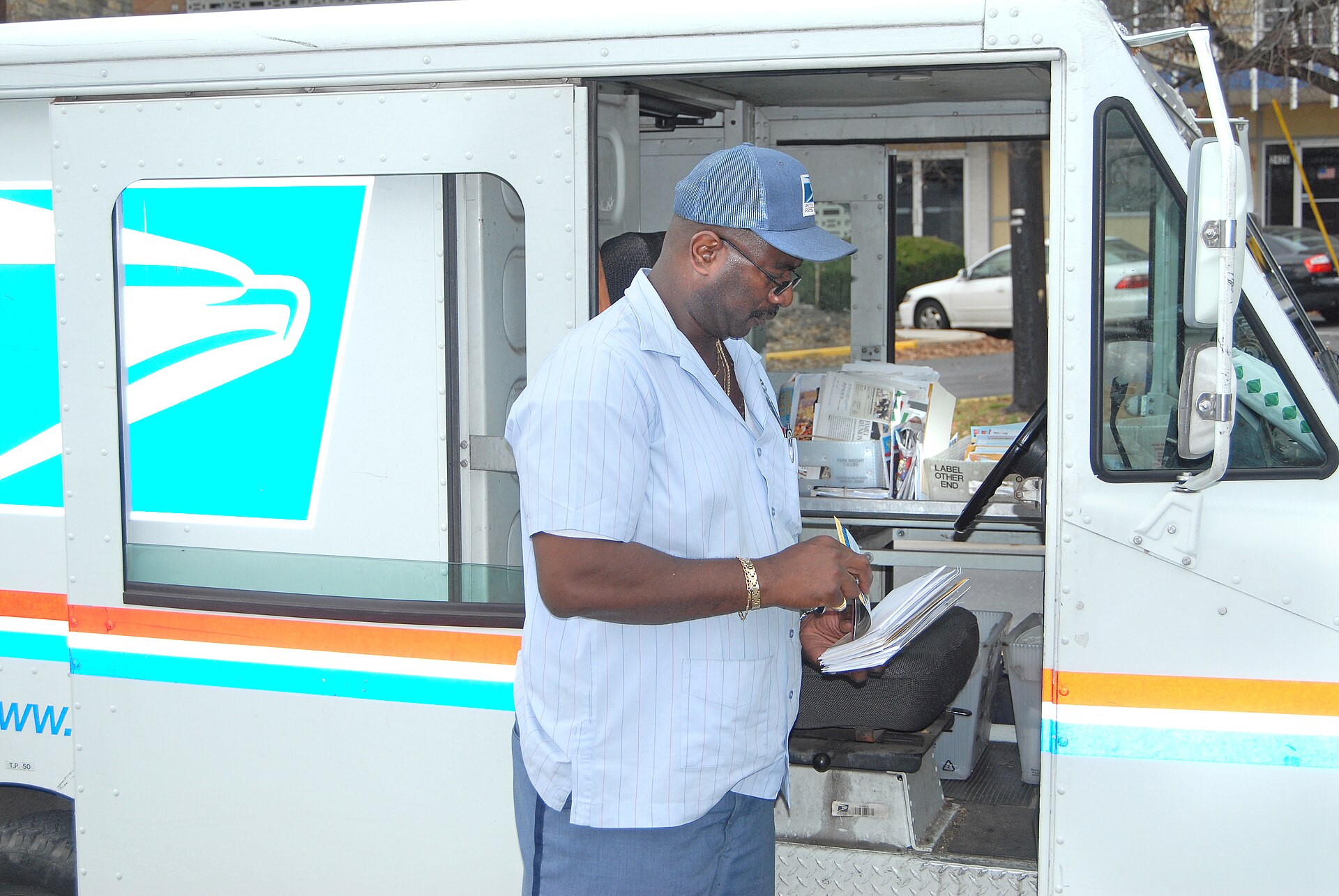
The U.S. Postal Service issued a rule tightening requirements for mail-in voting, while U.S. courts are seeking to block the underlying policy before the 2026 elections. The final rule concerns mail-in and absentee ballots and is connected to a Trump administration directive that would limit ballot mailings based on state citizenship lists.
That creates an unusually consequential split between a rule on paper and a rule voters may ever encounter. The Postal Service has published its requirements, but court challenges from 23 states and the District of Columbia have already paused key parts of the broader plan in those places.
The rule arrives amid a legal freeze
Reuters reported that the Postal Service published the final rule late Friday. The publication is the latest administrative step in a dispute that has moved rapidly through federal courts and to the Supreme Court.

The rule stems from President Donald Trump’s March 31 executive order, titled Ensuring Citizenship Verification and Integrity in Federal Elections. Among other directives, the order told USPS to propose rules for mail-in and absentee ballots.
SCOTUSblog reported that the order calls for Postal Service rules under which mail-in ballots could be sent only to voters whose names appear on state citizenship lists. The practical details of implementation, including how such lists would be compiled, checked and used by election officials, remain central to the litigation.
Publishing a final rule does not by itself settle whether it can operate for the November 2026 elections. A court injunction can prevent an agency from enforcing a policy even after the agency completes its rulemaking process.
States say election authority is theirs
A coalition of 23 states and the District of Columbia, led by California, challenged the executive order in federal court in Massachusetts. Their core argument is that the federal government cannot use the order to override state authority over voter eligibility and election administration.
The states pointed to constitutional provisions that give states substantial power to set voter qualifications and to regulate the “Times, Places and Manner” of congressional elections. Mail voting is administered differently across the country, making any nationwide federal condition especially contentious.
On June 25, U.S. District Judge Indira Talwani barred the federal government from implementing the mail-ballot and state-citizenship-list provisions for the Nov. 3, 2026, elections in the states that brought the case, according to SCOTUSblog.
The decision did not decide every legal question permanently. It put the disputed provisions on hold while the case continues, a distinction that matters because election deadlines often force courts to decide interim relief before reaching a final ruling on the merits.
The administration wants the pause lifted
The Trump administration asked the Supreme Court to allow full implementation of the executive order while the litigation proceeds. Solicitor General D. John Sauer argued that the lower-court order was premature because federal agencies had not yet finalized all implementation choices.
The administration also argued that it would suffer serious harm if the injunction stayed in place, saying there was not enough time to complete ordinary appeals and still put any lawful plan in place before the election calendar advances.
A divided panel of the U.S. Court of Appeals for the 1st Circuit had declined to give the administration the immediate relief it sought. The majority warned that allowing the order to take effect in the fall election cycle could create confusion and threaten the disenfranchisement of eligible voters.
Twelve states led by Alabama later backed the administration’s request for the Supreme Court to pause the lower-court ruling. Those states pointed to separate D.C. Circuit decisions involving the same executive order that they said supported waiting until agency implementation is more concrete before allowing legal challenges to proceed.
Why a postal rule affects voters
USPS does not run elections; state and local election officials do. But the Postal Service is a central part of the process for voters who receive, complete and return absentee or mail ballots.
That division of responsibilities explains why this fight has several layers. The executive branch can direct federal agencies, but states argue that federal direction cannot dictate their voter-roll standards or their rules for sending ballots to eligible voters.
Supporters of tighter verification requirements frame them as an election-integrity measure. They argue that citizenship confirmation is a reasonable safeguard for a process involving ballots delivered and returned by mail.
Opponents say the approach risks blocking eligible citizens whose records are incomplete, outdated or difficult to match across government databases. They also warn that election offices could face last-minute changes to procedures, voter notices and ballot-mailing schedules.
Timing is now the central issue
The biggest unanswered question is whether the Postal Service rule will be allowed to take effect in time for 2026, and if so, in which states. The Massachusetts injunction specifically protects the 23 plaintiff states and the District of Columbia for the November election, unless a higher court changes it.
Another unresolved issue is how far the final USPS rule goes beyond the general condition described in the executive order. Reuters characterized the rule as tightening mail-in voting requirements, while the available court reporting focuses on the citizenship-list requirement contemplated by the order.
Voters should be careful not to assume that a federal rule changes their ballot process immediately. Election rules, absentee-ballot eligibility, application deadlines and return methods remain heavily dependent on state law and local election administration.
For now, the clear takeaway is that the Postal Service has moved its rulemaking forward, but the courts still hold the immediate answer to whether those requirements can shape mail voting in the 2026 election.
Leave a Reply