
The argument over the USS Abraham Lincoln is no longer limited to conditions at sea. As the carrier heads home, political backlash has put sailors and their families at the center of a dispute over what their complaints mean.
MAGA supporters have attacked or criticized Navy sailors over complaints involving the USS Abraham Lincoln, according to a Rolling Stone report, turning reports from the carrier into a political flashpoint. The backlash matters because the United States Navy ship’s crew has been coming off an extended deployment marked by family accounts of food, supply and morale concerns.
The USS Abraham Lincoln is now headed back toward San Diego after more than 250 days at sea, NBC News reported. The debate is not simply about whether every complaint can be verified independently; it is about whether sailors and their relatives should be treated as credible enough to be heard when deployment conditions become a public issue.
Complaints became a political target
The central dispute grew from reports about life aboard the Lincoln during an extended Middle East deployment. Relatives who spoke with NBC News described concerns including limited food and supplies, interrupted hot water, delayed mail and worries about sailors’ mental health.
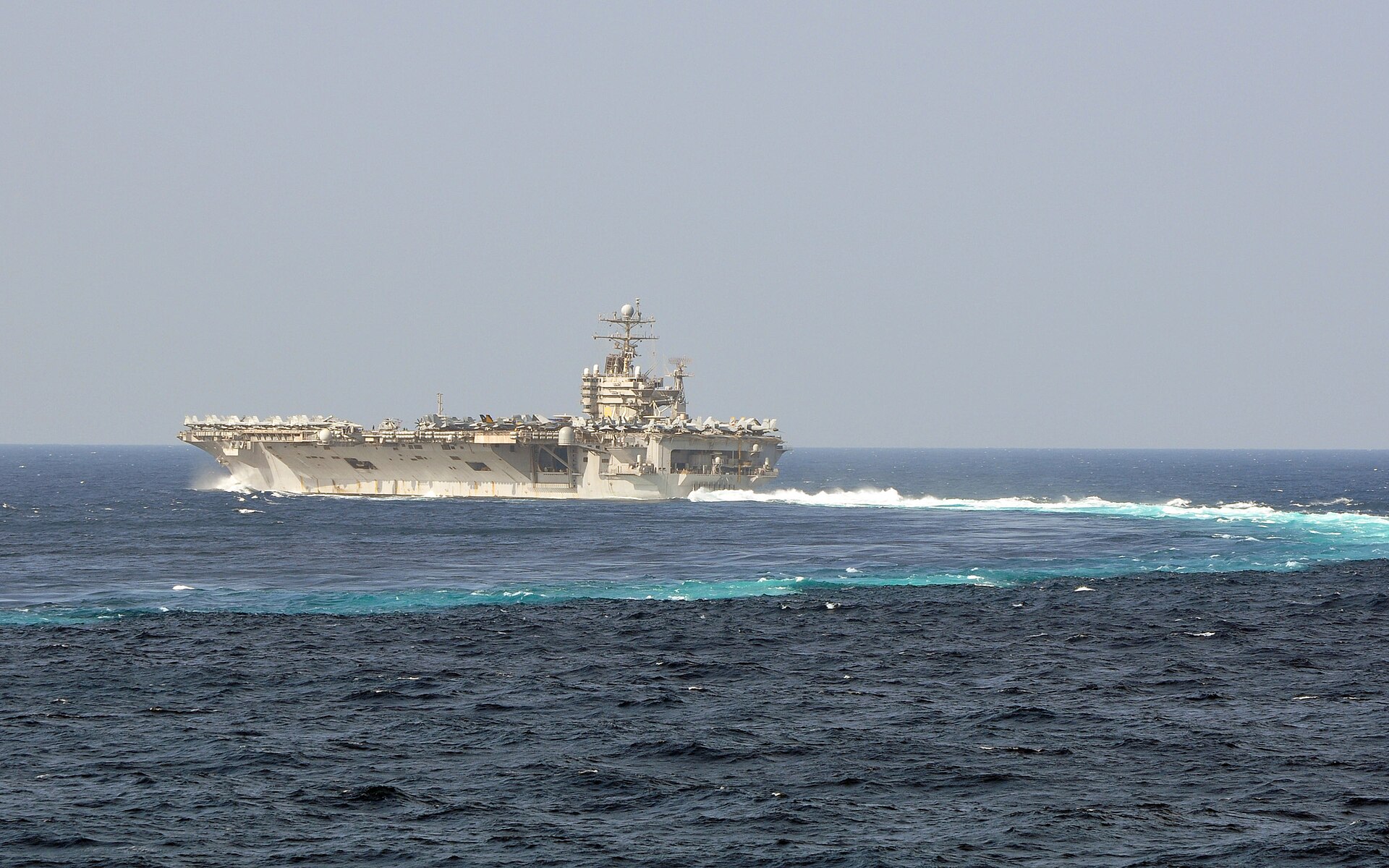
Those accounts have not been presented as a complete official audit of conditions aboard the carrier. They are firsthand reports relayed by family members, alongside statements from Navy and administration officials who have disputed the broader portrayal of the situation.
That distinction is important. A complaint can be serious without proving every allegation, and an official denial can provide context without automatically resolving what individual sailors experienced. Political reactions that frame the issue as weakness, disloyalty or complaining risk skipping over that middle ground.
A deployment far beyond expectations
The Lincoln left San Diego on Nov. 21 and had been expected to finish its deployment in May, according to NBC News. Instead, its assignment was extended as the United States remained involved in the war with Iran following U.S. and Israeli strikes at the end of February.
By the time it departed the Middle East, the carrier had spent nine months deployed and more than 250 days at sea. NBC reported that the ship had not made a port visit since December, leaving it at sea for more than 200 consecutive days.
That is the operational context behind the complaints. Aircraft carriers are built for long deployments, and crews are trained for austere conditions. But carrier deployments generally include port calls that allow for resupply, maintenance and time away from the enclosed routine of shipboard life.
The Lincoln carried roughly 5,000 sailors and Marines, NBC reported. On a ship that size, even problems that do not affect everyone can become significant when they persist over months.
Officials challenged the grim picture
Senior officials have pushed back on the idea that the Lincoln faced a broad crisis. Adm. Brad Cooper, the commander of U.S. Central Command, said concerns had been addressed and wrote that the carrier had among the lowest numbers of mental-health-related cases in the active carrier fleet.
Defense Secretary Pete Hegseth said reports about conditions aboard the ship had been “completely misrepresented,” according to NBC. President Donald Trump also dismissed the concerns, saying the deployment was “not nearly long enough.”
Those statements reflect one side of a real tension in military reporting: commanders must protect operational security and maintain confidence in a deployed force, while sailors and families may see daily hardships that do not appear in high-level readiness assessments.
NBC also reported that U.S. officials did not regard several “man overboard” incidents as evidence of a systemwide mental-health crisis. Still, the incidents, as well as accounts of sailors struggling, fueled concern among families and within the Navy.
Why the rhetoric around sailors matters
Service members operate under rules and pressures that make public complaints complicated. They can face limits on speech, may not be able to share details of where they are or what their unit is doing, and often rely on relatives to raise alarms outside official channels.
That makes broad attacks on sailors especially consequential. Critics are free to question unverified social-media claims or argue that difficult conditions are part of military service. But portraying the people affected as the problem can discourage reporting of genuine gaps in food, maintenance, mail access or mental-health support.
Families, meanwhile, do not have the full operational picture. A delayed port call or reduced access to certain supplies may have security, scheduling or mission-related causes that cannot be publicly explained in real time. Their accounts are valuable evidence of lived conditions, but they are not a substitute for a formal investigation.
The most useful public response holds both realities at once: deployed crews can perform effectively under extreme pressure, and their basic welfare can still deserve scrutiny.
Homecoming does not settle every question
Cooper said he visited the crew to announce that they would be going home, and NBC reported that the ship was expected to reach San Diego within weeks. The return will end the immediate strain of the extended deployment, but it does not by itself answer what went wrong, what improved and what lessons the Navy will carry forward.
Key questions remain: whether shortages or service restrictions were isolated or widespread, how the Navy assessed morale during the extended stretch at sea, and whether families received enough clear information when concerns mounted. Public reporting has offered competing accounts, not a final independent finding on each claim.
There is also a larger political lesson. Support for the military should not require an assumption that every institution always has perfect information or that every sailor’s hardship is insignificant. The Lincoln’s mission may be viewed as a major operational achievement while the crew’s experience is still examined honestly.
As the USS Abraham Lincoln returns, the argument over its complaints should move beyond partisan reflex. The enduring issue is whether the Navy has the systems, transparency and trust needed to hear service members before their concerns become a public battle.
What is known and unresolved
- Known: NBC News reported that the Lincoln’s deployment lasted about nine months and included more than 250 days at sea.
- Known: Family members described shortages, disrupted services and concern about morale and mental health.
- Known: Navy and administration officials disputed the characterization of a broad crisis and said concerns had been addressed.
- Unresolved: Public reporting does not establish a final, independent accounting of every complaint or how widely each issue affected the crew.
Sources: Rolling Stone, via its report describing the MAGA backlash; NBC News reporting on the USS Abraham Lincoln’s deployment, family accounts and official responses.
Leave a Reply