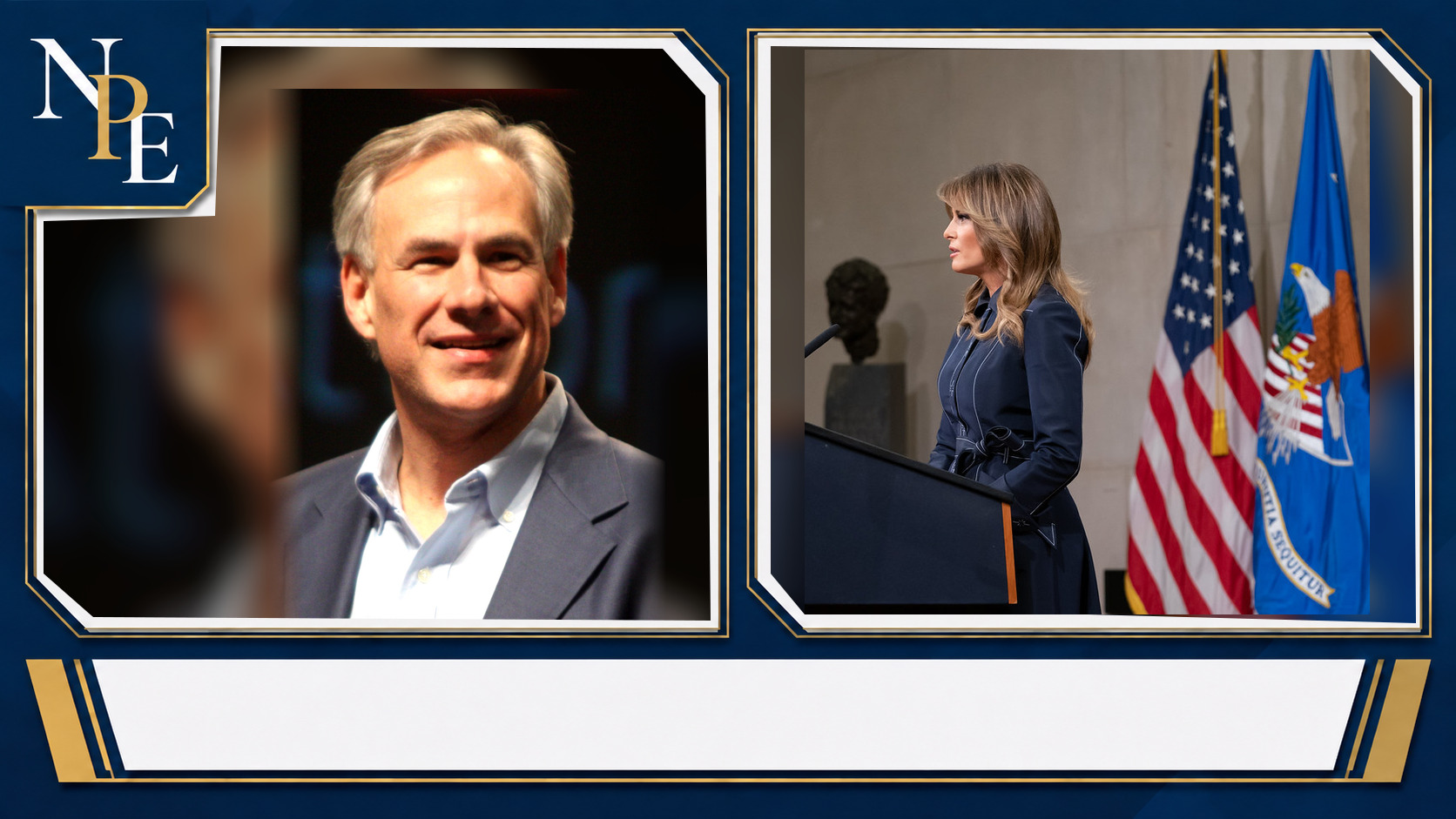
Abbott says airport-funded washing facilities improperly favor one faith. Houston officials say the space is available to everyone and was not paid for with taxpayer money.
Greg Abbott urged the U.S. Department of Justice on Aug. 21, 2026, to investigate foot-washing stations at Texas airports. The Islamic ablution facilities at Dallas-Fort Worth International Airport and George Bush Intercontinental Airport in Houston are at the center of his claim that government-owned airports are favoring one religion.
The Texas governor has asked federal officials to review the spaces and consider corrective action. Airport officials and Houston Mayor John Whitmire dispute Abbott’s framing, turning a practical traveler amenity into a larger argument about religious accommodation in public facilities.
Abbott’s complaint targets two airports
Abbott referred the airport facilities to the Justice Department in a letter dated Aug. 21. His office described the spaces as ablution stations, designed for ritual washing practiced by many Muslims before prayer.
At DFW, Abbott said there are two ablution stations. At Bush Intercontinental, he said an ablution facility is connected to a prayer room that includes copies of the Quran, prayer rugs, prayer beads and a turban used by some Muslims during prayer.
His argument is not that travelers should be barred from practicing their faith. Instead, Abbott contends that a government-owned airport should not provide a facility that, in his view, serves one religious group rather than all travelers.
In a statement released with the referral, Abbott said the stations give “one subset of the population” special treatment based on religion. He contrasted them with interfaith chapels, which are generally intended to be open to people of different beliefs.
The legal issue is accommodation
The immediate dispute turns on a familiar but difficult public-policy question: when does an accommodation for religious practice become government endorsement of religion?
Public institutions are often expected to remain neutral among faiths. At the same time, neutrality does not always mean treating every need as though it does not exist. Airports routinely offer features designed for particular traveler needs, including nursing rooms, accessibility services, pet-relief areas and quiet spaces.
Religious accommodations can raise additional constitutional questions because government entities cannot establish or promote a religion. But an available facility is not automatically the same thing as official religious endorsement, especially when it is open to the broader public.
That distinction is likely to be central if the Justice Department takes up Abbott’s request. The available reporting does not indicate that DOJ has announced an investigation or reached a conclusion about either airport.
Houston rejects the discrimination claim
Whitmire pushed back on Abbott’s characterization in an Aug. 17 statement about the Bush Intercontinental facility. The mayor said the room is open to travelers, airport employees and others regardless of religion.
Whitmire also said the project did not use Houston city taxpayer money, state funding or federal grants. According to the mayor, it was paid for through fees charged to international airlines.
Those details matter because Abbott’s argument places special weight on the airports’ public ownership. A facility funded through airline fees and accessible to all users may look different, legally and politically, from a taxpayer-funded room restricted to a particular religious group.
Still, Abbott’s office is questioning more than the funding source. His complaint focuses on whether the facilities’ apparent religious purpose gives Muslim travelers a benefit that other faith groups do not receive.
Why ablution rooms exist
Ablution refers to ritual washing before prayer. For Muslims, wudu commonly involves washing the hands, mouth, nose, face, arms, head and feet. A dedicated station can make that practice easier and safer than trying to wash feet in a standard public restroom sink.
Supporters of such airport facilities can view them as a practical response to a specific religious practice, similar to providing a prayer room or a quiet space. Critics can see a dedicated installation as going beyond general access and into a preference for one faith.
The disagreement shows why wording matters. Calling the spaces “foot-washing stations” emphasizes the physical infrastructure. Calling them “ablution facilities” emphasizes their religious purpose. Both descriptions refer to the same basic type of amenity, but they frame the policy debate differently.
There is also an unresolved question about comparability. An airport could offer a broadly available prayer or meditation room without meeting every faith’s particular practices. Whether public agencies must provide matching facilities for all religions is separate from whether they may provide a specific accommodation for one.
DFW has already changed course
DFW has dropped a proposal to add more ablution stations, according to reporting cited by USA TODAY. The decision means the political dispute has already had a concrete effect beyond Abbott’s request to Washington.
It remains unclear whether that move was directly connected to Abbott’s criticism, whether the existing stations will remain in place, or whether either airport will modify how the facilities are described or managed.
The Justice Department could decline to act, seek more information or open a review. Abbott’s letter is a request, not a legal ruling, and no finding of discrimination has been announced.
For travelers, the controversy may seem unusually large for a small airport room. But it reaches a broader test for public agencies: whether making space for a religious practice is an inclusive service, an impermissible preference, or something that depends on how the space is funded, accessed and administered.
The bigger airport policy question
Airports are public-facing spaces with international passengers, employees and visitors whose needs do not always fit a one-size-fits-all model. Their policies can become flashpoints because they mix government ownership, commercial funding, security rules and personal religious expression.
Abbott’s DOJ request puts those tensions in a national frame. His position is that public airports must avoid facilities serving a single faith. Houston’s response is that broad access and non-taxpayer funding undercut the claim of religious favoritism.
What happens next will depend on whether federal officials see evidence of unlawful discrimination and how they assess the facilities’ purpose and access. Until then, the two Texas airports sit at the center of a debate that is as much about public neutrality as it is about washing stations.
Leave a Reply