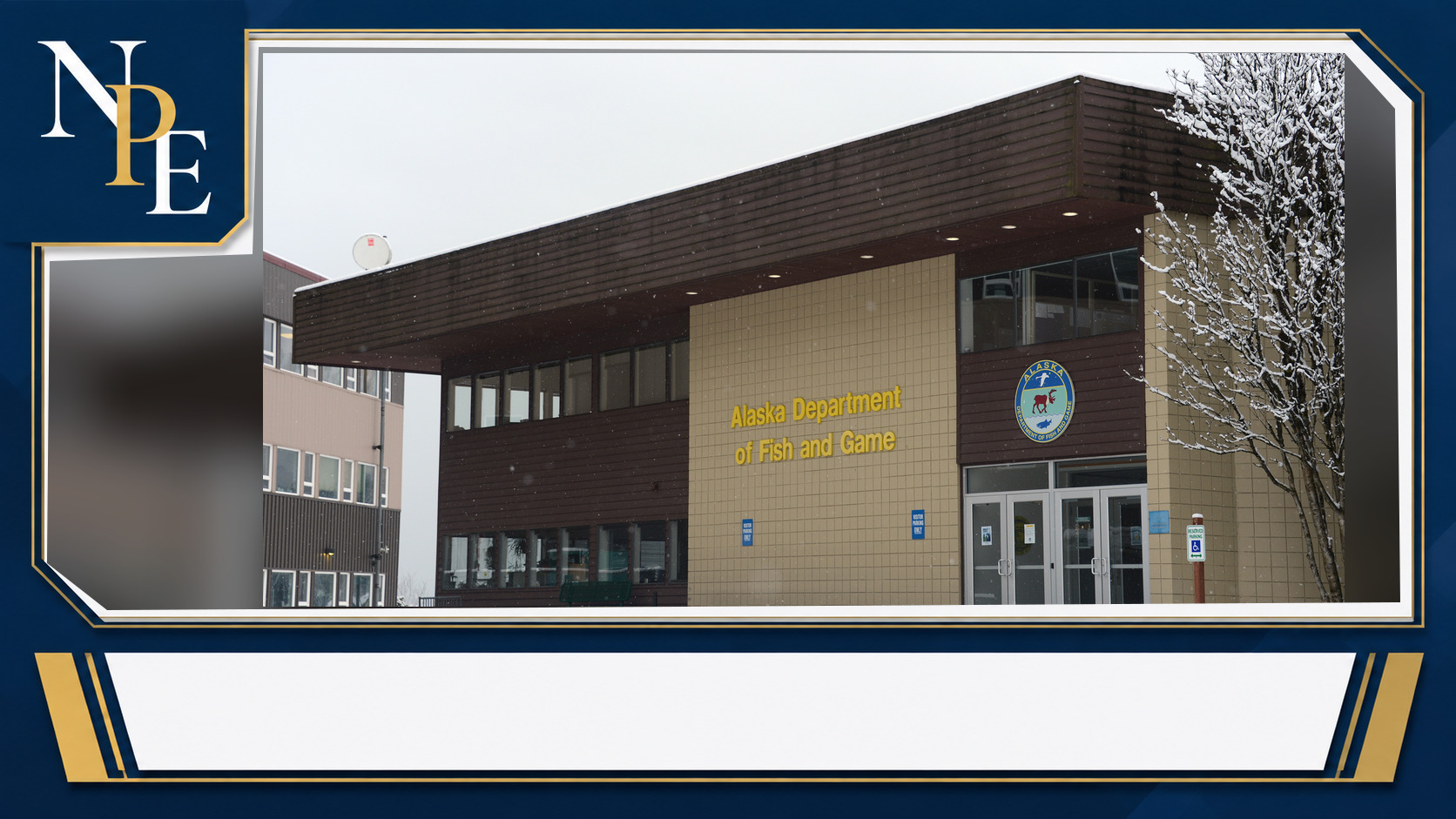
The available state account tells a different story from a claim that Alaska authorities killed a bear family. It documents a mother bear shot by resident hunters, followed by an unusual rescue effort that gave her three cubs a path to captivity.
Alaska state authorities did not kill a mother brown bear and her three cubs in the documented Kodiak case that closely matches the claim now shaking an Alaskan community. Alaska Department of Fish and Game records say resident hunters shot the mother bear in May 2015 without realizing she had three cubs; state biologists then authorized a rescue that ultimately placed the cubs in zoos.
That distinction matters. A story framed as an “Alaskan community rocked” by the state killing a bear family leaves out the central fact in the agency’s account: the three cubs survived, while wildlife officials and guides worked to recover them from a remote den.
The documented Kodiak bear case
According to a 2016 Alaska Department of Fish and Game report, biologists in Kodiak learned on May 5, 2015, that a brown bear sow with three cubs had been shot.
The department said several guides at a hunting camp were told that another group of resident hunters, who were not affiliated with them, had killed the adult bear. The hunters reportedly did not know she had cubs of the year.
An assistant guide saw the three cubs outside a den roughly 2,000 feet above sea level. Instead of treating the discovery as a routine report of possibly unattended young animals, those at the camp contacted Fish and Game to determine whether a rescue was possible.
The agency’s account does not describe state authorities killing the cubs. It describes the cubs as orphaned after their mother’s death and in need of immediate intervention.
Why biologists approved a rescue
Kodiak area biologist Nate Svoboda authorized the guides and hunters to retrieve the cubs. Fish and Game noted that it regularly receives reports of young wildlife thought to be orphaned when a parent is simply away for a period.
In this case, the agency said Svoboda knew the cubs were not temporarily unattended because their mother had been shot. He also knew an approved placement opportunity existed, which is a major factor in whether a rescue can lead to a workable outcome.
Guide Harry Dodge led hunter Brandon Stokes and assistant guide Elias Holt up the steep, brushy route to the den. The three men carried the cubs down in packs.
The agency described the animals as muddy, dehydrated and hungry. Two weighed about 10 pounds and the third weighed 12 pounds. Svoboda estimated they had been born in late January or early February, making them especially dependent on their mother.
Three cubs, three long commitments
Saving a cub is only the first step. The state agency stressed that placing orphaned wildlife is difficult, particularly for animals that can grow into very large, powerful adults with decades-long lifespans.
Brown bear cubs can represent a 30- to 40-year responsibility for an approved facility, according to Fish and Game. Adult wild bears are even harder to place because transport is stressful, captivity can be difficult for them to adjust to, and zoos rarely have the capacity to take them.
That is why the Kodiak rescue was unusual. Two cubs were eventually sent to Wildwood Park and Zoo in Marshfield, Wisconsin, and the third went to the Toledo Zoo and Aquarium in Ohio.
The cubs stayed first at the Alaska Zoo in Anchorage while the arrangements were completed. Fish and Game said only five bears had left Kodiak as cubs since 1980, and these three represented an unusually rare placement opportunity.
The public response came later
The available account does show that the bears became meaningful to the communities that received them, though it does not document an Alaska community reacting to a state-directed killing.
Wildwood Park and Zoo held a first-birthday celebration for its two Kodiak bears in February 2016. About 200 people attended, according to Fish and Game. The Marshfield community named the pair Munsey and Boda, honoring Mike Munsey and Nate Svoboda, who had roles in the rescue and response.
The third cub, named Dodge, was placed at the Toledo Zoo, where he shared an exhibit with two young female grizzly bears from Montana. The agency reported that all three were approximately the same age.
Those details are not a minor footnote. They change the emotional center of the story from a supposed state killing to an orphaned-animal rescue that depended on a chain of guides, biologists, temporary care and facilities willing to take on years of responsibility.
Why the wording matters
Wildlife stories often move quickly because they involve powerful symbols: a mother bear, dependent cubs, hunters, government agencies and a rural community. But those same elements can make a misleading summary especially potent.
There is room for serious debate about bear management, hunting rules, orphaned-animal intervention and whether captive placement is the best available answer when a young bear loses its mother. The Fish and Game report itself acknowledges that agencies are generally not looking to remove wild animals from the wild.
Its stated goal was to make the best of a bad situation when an orphaned animal could not survive independently and an appropriate facility was available. That is a narrower claim than portraying the agency as the party that killed the bears.
What remains unclear from the available material is whether a newer, separate incident prompted the current headline language. But for the documented Kodiak episode, the record is clear on the basic sequence: hunters shot the mother bear, three cubs were found alive, and Alaska wildlife officials helped arrange their rescue and placement.
A case where precision changes everything
The death of the mother bear was undeniably tragic, and the cubs’ survival was far from guaranteed. Their story also shows why wildlife reporting requires precision about who acted, what happened to the animals and what the government’s role actually was.
In the Kodiak case, Alaska officials were not described as killing a mother brown bear and three cubs. They were the officials who assessed the orphaned cubs’ condition, authorized their retrieval and helped turn a preventable loss into an unlikely rescue.
Leave a Reply