The Justice Department has signaled a possible new legal escalation over how states maintain voter rolls. But the statement leaves key details unresolved, including the state, case and legal question that could reach the Supreme Court.
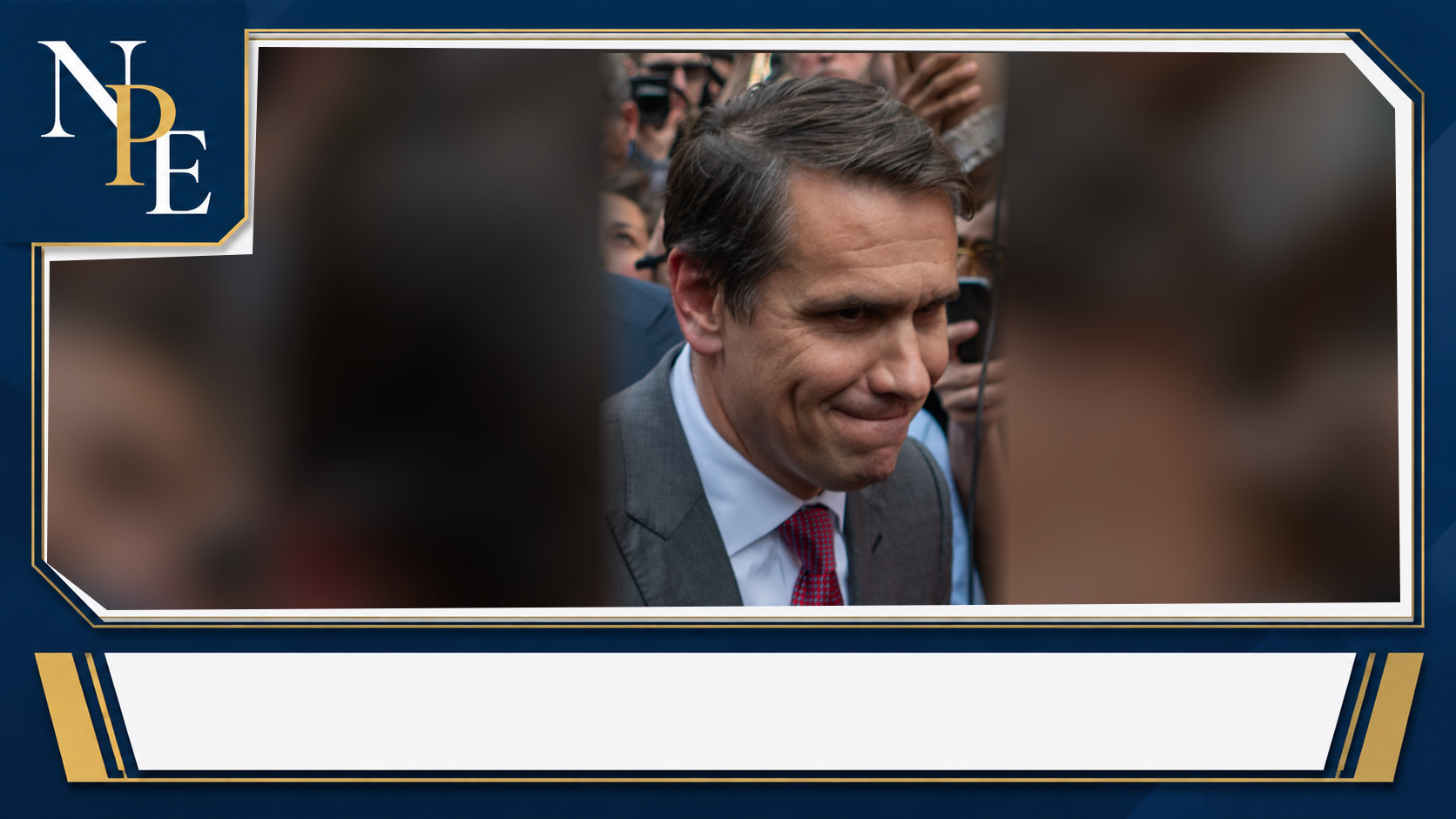
Attorney General Todd Blanche said the U.S. Department of Justice may take a states’ voter-roll dispute to the Supreme Court, raising the prospect of a major new legal fight over election administration in the United States. The possible DOJ legal action over state voter rolls was discussed on August 16, 2026, but no Supreme Court case has been announced.
That distinction matters. A statement that the department may pursue Supreme Court action signals a potential strategy, not a final filing or a ruling. The available NBC News video report does not identify the state or states involved, the underlying case, the precise voter-roll practice at issue or a timetable for any next step.
What Blanche Actually Signaled
Blanche’s remarks put the Justice Department’s attention on a dispute involving state voter rolls and raised the possibility of the nation’s highest court becoming involved.
That is consequential because voter-roll litigation can sit at the intersection of federal election law, state election authority and individual voters’ ability to remain registered. Still, the public information supplied with the report establishes only a possible move, rather than a specific lawsuit, appeal or emergency application.
Those differences are not technicalities. A department can challenge a state policy in several ways, and each route can produce a different record, timeline and legal question for higher courts to consider.
A Supreme Court Path Is Not Automatic
The Supreme Court does not typically decide a dispute simply because a federal official says the government may take it there. There ordinarily must be a legal vehicle: for example, a case moving through lower courts, a request to review a lower-court decision or, in limited circumstances, an emergency request.
Until the Justice Department identifies the dispute, it is not possible to tell which route it might seek. There is no basis in the available report to say that the government has filed a petition, that the court has accepted a case or that the justices have set any deadline.
The language used by Blanche also leaves room for several outcomes short of Supreme Court review. The department could continue litigating in lower courts, negotiate with a state, seek records or guidance, or ultimately decide against pursuing further action.
Why Voter Rolls Draw Legal Fights
Voter rolls are the lists states use to determine who is eligible to vote in a particular election. State and local election officials generally handle registration and list maintenance, while federal laws create requirements and protections that can be enforced in court.
Disputes can arise over how officials remove outdated registrations, verify voter information, address people who have moved, and protect eligible voters from being removed incorrectly. The practical challenge is that election officials are often expected to keep lists accurate while also ensuring that qualified voters are not wrongly excluded.
That tension drives sharply different political and legal arguments. Supporters of more aggressive list-maintenance efforts often argue that accurate rolls help election administration and public confidence. Voting-rights advocates frequently warn that flawed data, rushed procedures or inadequate notice can disenfranchise eligible people.
A Supreme Court dispute could force more attention on where federal oversight ends and state discretion begins. But the scope of any future case would depend entirely on the legal claims and factual record actually presented.
The Missing Details Are Central
The most important unanswered question is what, specifically, the Justice Department is considering challenging. The available NBC News material identifies a fight over states’ voter rolls but does not name a jurisdiction, policy, statute, court decision or affected election.
It also does not establish which side the department would support in litigation, what remedy it would seek or whether the issue concerns removing voters from rolls, obtaining voter data, registration procedures or another aspect of list administration.
Those facts would shape how election officials, voters and advocacy groups assess the stakes. A case about access to data would pose different practical questions from one about removal procedures or notice to registrants.
For now, readers should be wary of treating the phrase “take it to the Supreme Court” as though it describes a case already before the justices. The report supports a possible future action, not a completed escalation.
Federal Power Meets State Control
Elections in the United States are administered largely by states, which set many operational rules for registration and voting. At the same time, Congress has enacted federal voting statutes, and the Justice Department can become involved when it believes federal law is implicated.
That shared authority is why voter-roll conflicts so often become broader debates. State officials may characterize federal intervention as an intrusion into local election management, while federal officials and voting-rights groups may argue that national legal protections require oversight.
Neither framing resolves a particular dispute on its own. Courts look at the governing law, the specific government action challenged and the evidence about how voters or election systems are affected.
If the DOJ does pursue Supreme Court review, the case could clarify a legal rule with effects beyond one state. If it does not, the episode may still influence pending litigation, state policy choices and the political debate over voter registration practices.
What To Watch Next
The next meaningful development would be a concrete legal document or a fuller Justice Department explanation. That could identify the jurisdiction, the policy at issue, the legal theory and the procedural path the department intends to use.
A response from the relevant state or states would also be essential. Without it, the public has only one side’s indication that Supreme Court action is being considered, not a developed account of the underlying dispute.
For now, the clearest takeaway from Blanche’s August 16 remarks is narrow but important: the DOJ is leaving open the possibility of seeking Supreme Court involvement in a state voter-roll fight. Whether that possibility becomes a formal case, and what it would mean for voters, cannot be determined from the information currently available.
Leave a Reply