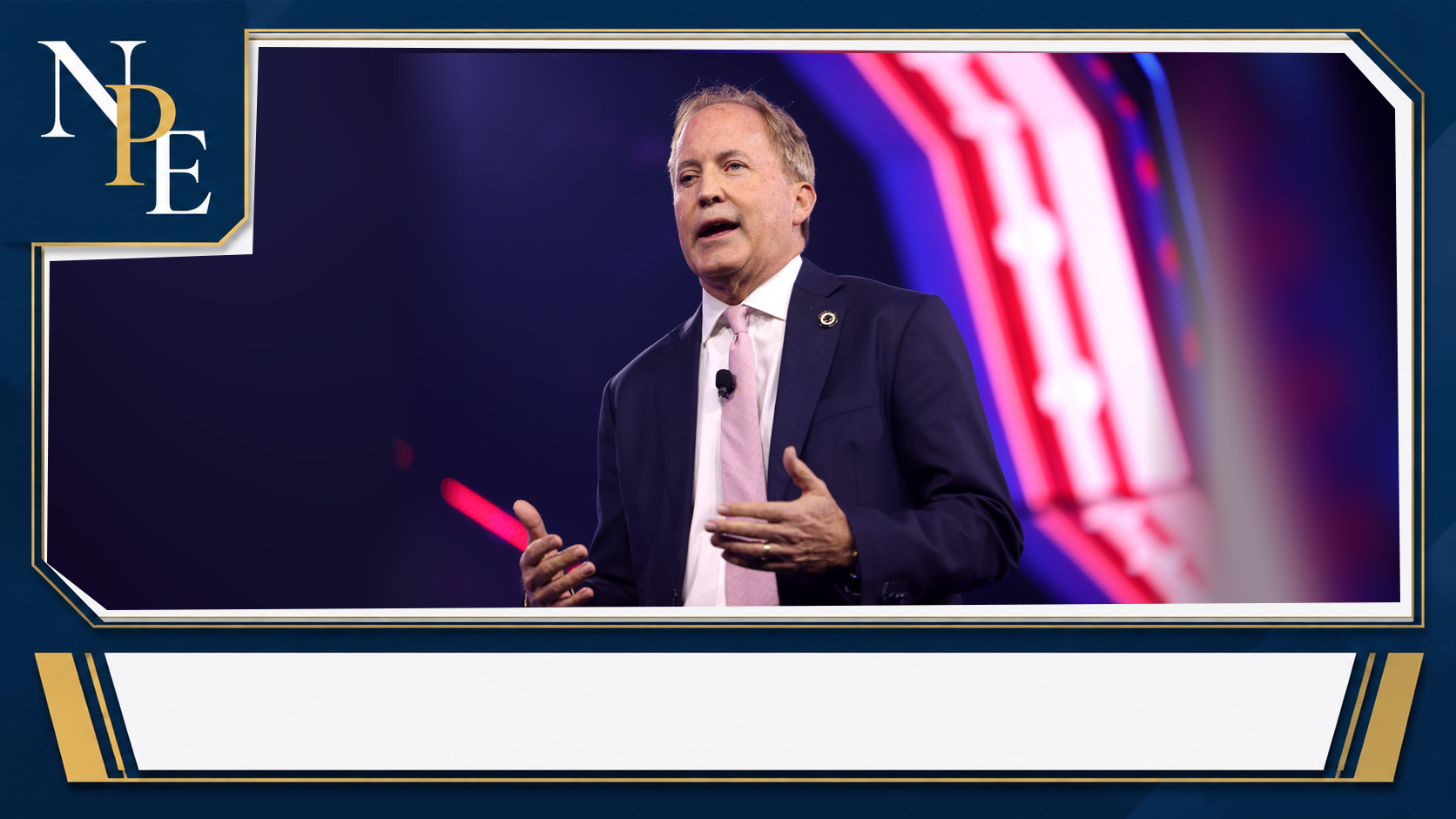
Campaign stops are meant to showcase a candidate’s message. For Ken Paxton, recent events in San Antonio and Allen instead highlighted how quickly protests, difficult questions and incomplete video can reshape the moment.
Ken Paxton was heckled at campaign stops in Texas, and cheating allegations involving Paxton were spreading as he campaigned for the U.S. Senate. The Texas attorney general’s Senate campaign has faced disruptions from protesters and difficult questions, creating viral-ready moments that opponents and supporters can interpret very differently.
The available reporting confirms confrontations at Paxton events in San Antonio and Allen. It does not establish the full language used by every heckler, prove the cheating allegations raised in coverage, or show whether the incidents will change the November general-election race against Texas state Rep. James Talarico.
Two stops, two disruptions
One reported incident took place during a Saturday appearance at the Angry Elephant, a Republican-themed bar on San Antonio’s North Side. The San Antonio Current reported that Paxton encountered hecklers there during a stop on his Protecting the Texas Promise tour.
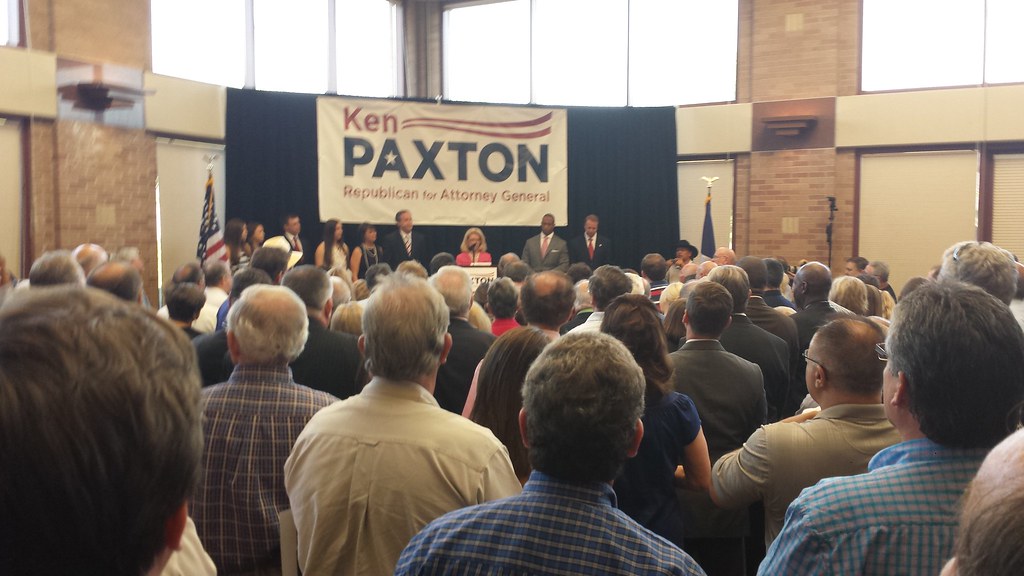
The outlet also reported that Paxton left the stage shortly after reporters asked difficult questions, including one concerning his real-estate holdings. It was his first San Antonio campaign stop since late May, according to the San Antonio Current.
Coverage of that appearance described Paxton as having been heckled over cheating allegations. But the available video reporting does not provide a full transcript of the exchange or document a response from Paxton to the specific allegation referenced in that coverage.
A separate confrontation occurred at a Paxton campaign event in Allen, Texas, on Aug. 4. USA Today reported that a woman carrying a sign for Talarico was escorted out while people in the crowd booed.
What the Allen video shows
USA Today reported that video of the Allen event was posted by a New York Times journalist. The footage showed the Talarico supporter appearing to shout in Paxton’s direction while she was removed.
What she said was unclear from the video, USA Today reported. That limitation matters because the footage verifies a disruption and the removal of a supporter of Paxton’s Democratic opponent, but it does not confirm the exact words shouted.
It also cannot, by itself, connect every remark heard at Paxton events to cheating allegations referenced elsewhere in campaign coverage. Short clips can travel quickly online while leaving out the preceding question, the full exchange and whether anyone was able to answer it.
The verified picture is therefore narrower than a social-media reaction might suggest: Paxton’s appearances have been disrupted, but the available material does not settle every claim raised during those disruptions.
Why campaign tours are vulnerable
Paxton and Talarico are both taking their messages across Texas ahead of the November general election. Such tours give campaigns a chance to generate local attention, display support and put candidates in front of voters beyond the state’s biggest media markets.
Paxton’s Protecting the Texas Promise tour included planned stops in Houston, McAllen and San Antonio, USA Today reported. Talarico announced a New American Dream Tour that included Arlington, Pasadena, Port Arthur, Abilene, Killeen, Austin, Beeville, the Rio Grande Valley, Dallas-Fort Worth and Kerrville.
Those appearances also create settings where a candidate’s message can be interrupted by a protest sign, a pointed question from reporters or allegations voiced from the crowd. A gathering planned as a controlled campaign event can abruptly become a dispute over conduct, character or unanswered questions.
For Paxton’s campaign, that means the setting can become part of the story. The attention may shift from the speech itself to the confrontation around it.
Allegations require careful framing
Cheating allegations can carry particular political force because they concern private conduct and voter trust, not simply a disagreement over policy. Yet an allegation shouted at a campaign event is not a finding of fact.
Nor does a candidate’s lack of an on-the-spot response establish or disprove an allegation. The reporting available on these events does not document Paxton responding to the specific cheating allegation cited in coverage of the San Antonio stop.
That leaves important questions unresolved: what, precisely, was said in San Antonio; what evidence, if any, was offered for the allegation; and whether Paxton will address it directly. The available videos and accounts do not answer those points.
Paxton’s political profile adds to the stakes. As Texas attorney general and a figure who has faced years of political and legal controversy, he is already well known to voters. That recognition can strengthen support among people who back him, while giving critics a ready set of issues to raise in public.
Supporters and critics see different signals
Paxton supporters may view heckling as an effort to hijack a campaign appearance and prevent a candidate from delivering his message. From that perspective, an interruption says more about the protesters’ tactics than the strength of the claims being raised.
Critics can see the same scenes as evidence that questions surrounding Paxton are following him onto the Senate trail and cannot be fully contained by a campaign program. That interpretation is especially likely when footage captures a confrontation but not the complete discussion behind it.
Both views can exist at once. The reporting establishes tense moments at public events, while leaving the content and significance of some exchanges uncertain.
The race is bigger than one clip
Whether these encounters become consequential remains unclear. A viral campaign moment can matter when it reinforces an existing view of a candidate, but it can also fade as voters focus on endorsements, fundraising, debates and policy issues.
For now, the clearest takeaway is that Paxton’s Texas Senate campaign has encountered public disruptions at multiple stops: heckling linked in coverage to cheating allegations in San Antonio, and the removal of a Talarico supporter in Allen.
As Paxton and Talarico continue campaigning across Texas, the unresolved question is whether those incidents remain isolated scenes or develop into a recurring feature of a high-visibility Senate contest.
Leave a Reply